Ransomware attacks pose significant threats to businesses, often escalating rapidly from a single click to a company-wide crisis. A recent incident at QNET highlights this potential danger, where attackers exploited trusted Windows utilities to advance their intrusion.
Initial Attack and Exploitation
The attack was initiated when a user unknowingly opened a harmful file, likely received via email or downloaded from the web. This action triggered the mshta.exe, a legitimate Windows tool, which then connected to the attackers’ infrastructure to download a remote payload, setting the stage for persistent malicious activity.
Microsoft’s analysts observed that the attackers employed a ‘living-off-the-land’ strategy, utilizing built-in system tools instead of distinct malware programs. Such methods can easily blend with regular system operations, allowing attackers to discreetly steal credentials, establish persistence, or infiltrate other systems.
Rapid Detection and Isolation
Though the attack was confined to a single workstation, its potential impact was severe. Ransomware operators aim to quickly access more machines, backups, and sensitive data, making early containment crucial to prevent encryption and disruption.
According to a report shared with Cyber Security News, Microsoft Defender detected suspicious activity at 09:23:20 UTC. Two independent alerts flagged unusual command activity linked to the RunMRU registry. A correlation engine identified the behavior as malicious.
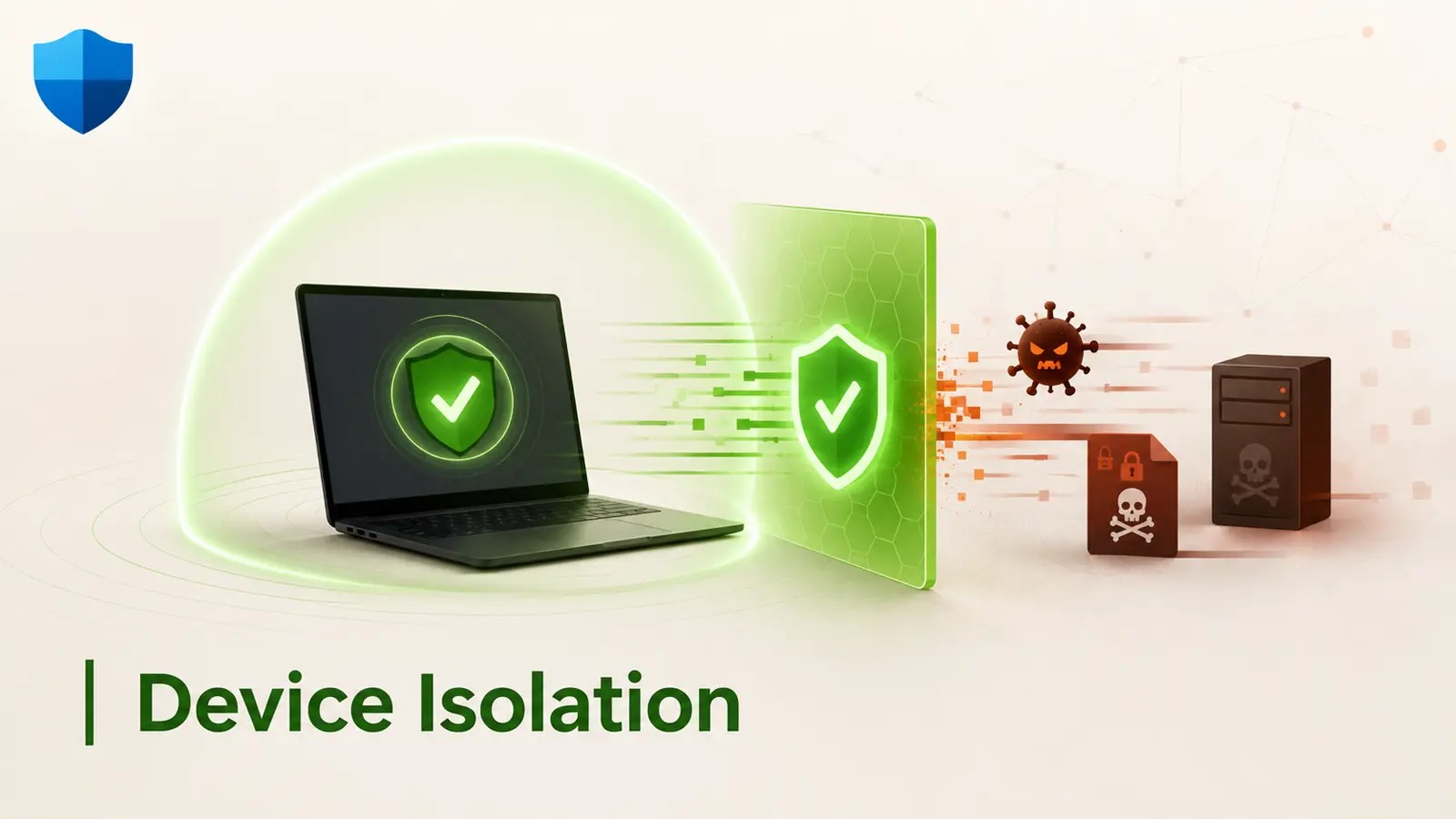
By 09:25:02 UTC, an automated response deemed the attack as active on one endpoint. Isolation was promptly initiated, with the IsolateDevice playbook beginning at 09:25:16 and completing in 12 seconds, cutting off the affected device from network access and halting its communication with attacker servers.
Lessons in Speed and Preparedness
The entire process, from detection to isolation, took only 128 seconds. This swift action prevented the attackers from moving beyond the initial endpoint, highlighting the effectiveness of rapid response and device isolation in cybersecurity defenses.
Microsoft reported no additional payload downloads or lateral movement attempts post-isolation. The mshta.exe process was terminated at the network layer, allowing security teams to focus on investigation and recovery without further interventions.
For organizations, the QNET incident underscores the importance of preparedness. Training employees to recognize suspicious files, limiting unnecessary scripting tools, and monitoring unusual mshta.exe activity are crucial steps. Additionally, maintaining updated backups and ensuring response teams are prepared to isolate devices effectively can mitigate the risks of ransomware attacks.
By integrating real-time protection capabilities and pairing endpoint containment with user account checks, organizations can close potential security gaps, ensuring a robust response to any future threats. The quick containment at QNET serves as a reminder that while prevention is key, the ability to swiftly interrupt an intrusion is equally vital to prevent a localized issue from escalating into an organizational crisis.