Introduction to AI Cyber Exploitation
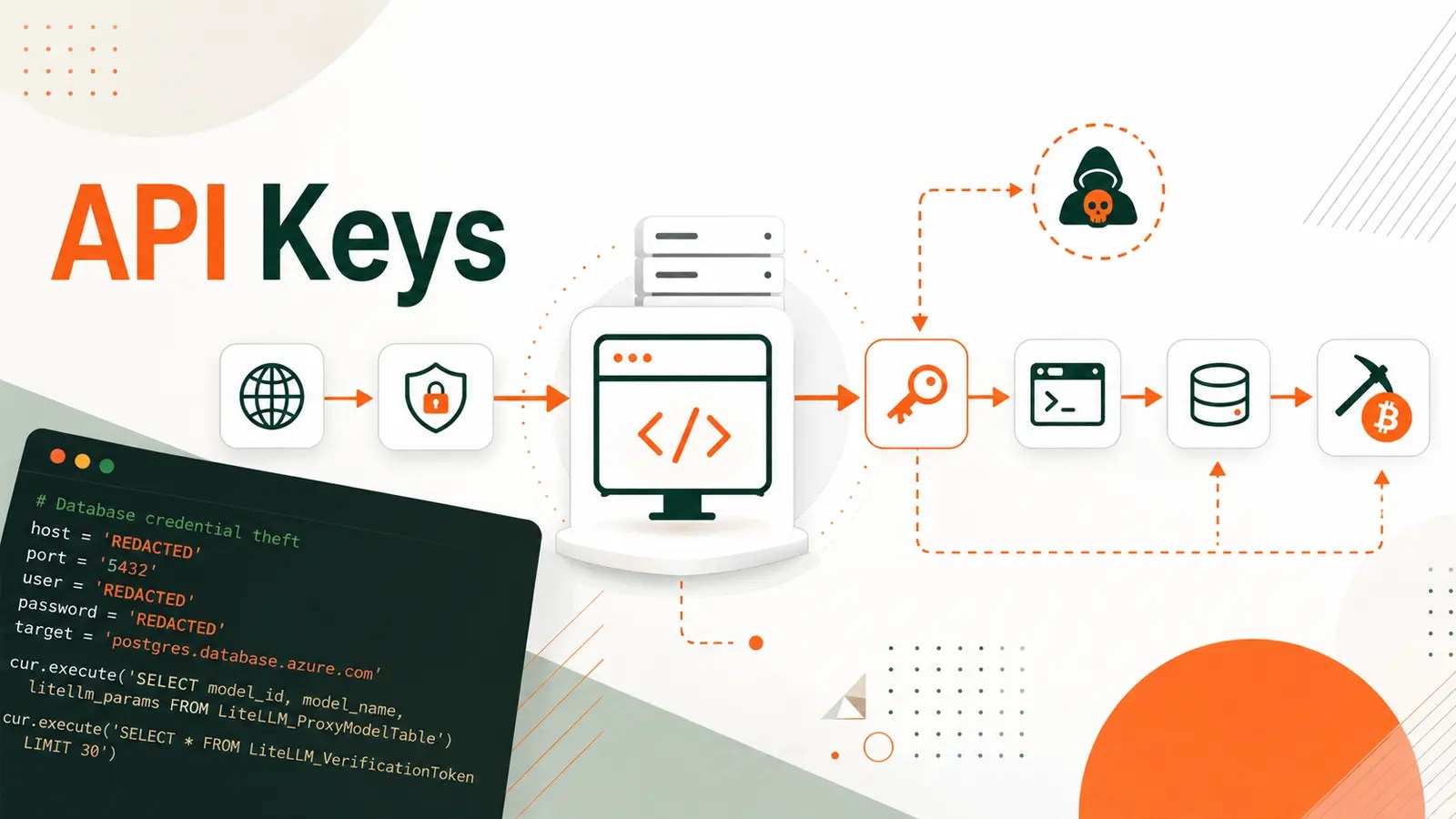
A recent study by Microsoft reveals a growing trend where cybercriminals leverage AI infrastructures to breach corporate systems. These exposed AI platforms, which include gateways, retrieval tools, and workflow services, are being exploited to access provider credentials, databases, and computing resources. This report underscores a worrying shift in hacker tactics targeting the backbone of AI systems rather than conventional endpoints or cloud services.
The study highlights three main targets: LiteLLM, RAGFlow, and Kestra. Despite different entry points, attackers consistently pursue a strategy that involves stealing sensitive information, maintaining access, and using compromised servers for illicit activities like cryptocurrency mining. This marks a significant evolution in cyber attack patterns, emphasizing the need for enhanced security measures in AI and cloud environments.
Intrusion Tactics and Vulnerabilities
Microsoft’s findings indicate that attackers exploit vulnerabilities in AI systems, as seen in the LiteLLM case. Here, the attackers likely accessed the system through a gateway vulnerability, identified as CVE-2026-42271 and CVE-2026-48710. This led to the extraction of API keys, tokens, and database credentials, which were then sent to the attackers, ensuring fallback options in case of blocked routes.
Similar methods were used in other cases. For instance, RAGFlow experienced server-side request probing, followed by code execution and the insertion of a Python hook in the application’s configuration. This allowed attackers to capture API keys and other critical data discreetly whenever an administrator configured a provider.
Persistence and Cryptocurrency Mining
The Kestra incident further exemplifies these tactics. Attackers exploited a critical authentication bypass flaw, CVE-2026-49869, to execute malicious workflows. They manipulated Docker environments and utilized victim systems to mine Monero cryptocurrency, demonstrating how attackers can persistently exploit compromised systems.
Persistence was achieved through various techniques, including altering service-account SSH keys, manipulating cron jobs, and creating hidden relays. These methods complicate efforts to clean up intrusions and highlight the challenges security teams face in protecting AI infrastructures from sustained attacks.
Security Recommendations and Future Outlook
To combat these threats, Microsoft recommends immediate patching of exposed AI services and rotating keys associated with vulnerable gateways. It’s crucial to monitor database activities and provider accounts for any unusual behavior. Organizations should enforce strict authentication protocols, keep administrative interfaces off public networks, and use managed secret systems to store API keys.
Furthermore, logging network activities such as DNS callbacks and unauthorized process executions can help detect and mitigate attacks early. By implementing these security measures, companies can better protect their AI infrastructures and prevent costly breaches and misuse of resources.
Moving forward, as AI technology continues to evolve, so too must the strategies to safeguard against cyber threats. Vigilance and proactive security measures are essential in preventing future incidents and ensuring the integrity of AI systems.