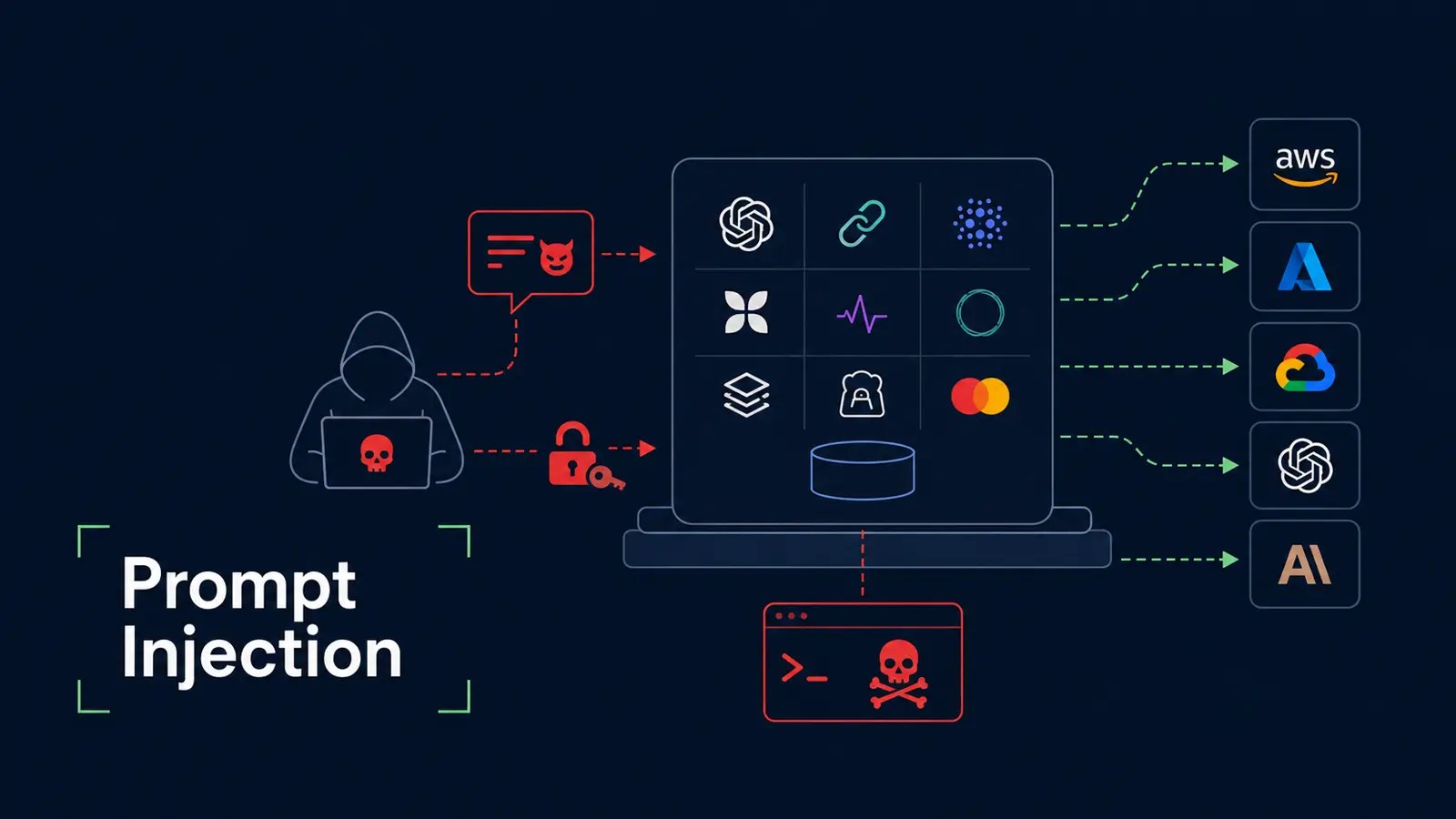
Cybercriminals are increasingly targeting artificial intelligence infrastructures by exploiting vulnerabilities for remote code execution (RCE), credential theft, and cryptomining. The expanding use of AI systems in the cloud has created new avenues for these attacks.
Emerging Techniques in AI System Exploitation
Over a three-month period, attackers have developed sophisticated methods to compromise services that route AI model traffic and connect agent tools. These campaigns leverage weaknesses in exposed servers, directing AI agents to execute unauthorized commands and seek out API keys.
Research from Wiz.io has highlighted ongoing malicious activity through honeypots designed to mimic AI services. This research covered a range of systems including LiteLLM, MCP servers, LangChain, and more, unveiling customized intrusion strategies.
Vulnerabilities in AI Proxies and Gateways
Wiz.io’s report, shared with Cyber Security News, emphasizes that a single compromised application can have far-reaching effects. AI proxies often centralize critical credentials and permissions, making them attractive targets. Poorly configured deployments can become gateways to sensitive data and systems.
One notable attack focused on Model Context Protocol (MCP) services exposed to the internet. These services enable agents to access databases and internal APIs, magnifying the impact of a breached gateway. Exploits included LiteLLM vulnerabilities, such as an authentication bypass and command injection flaws.
Securing AI Systems Against Attack
Security experts stress the necessity of integrating AI security with traditional infrastructure defenses. A seemingly minor configuration error in a model gateway can lead to major enterprise-wide security breaches. Comprehensive security evaluations should include every tool, secret, and network path involved.
Recent attacks also employed blind prompt injection tactics, instructing AI agents with shell access to execute commands. This method, which leverages untrusted text as trusted instructions, has been observed to deploy cryptominers on systems like Node-RED, underscoring the risks of granting shell access to agents.
Protecting API Keys and Sensitive Data
Attackers have also been focusing on retrieving API keys, turning AI gateways into stores for critical credentials. On platforms like LiteLLM, hackers have extracted proxy master keys from memory and targeted backend models for key theft.
Organizations are advised to carefully manage their AI services, enforce strict authentication measures, and limit permissions to mitigate these threats. Regular monitoring and quick patching of vulnerabilities are crucial to prevent unauthorized access and potential data breaches.
In conclusion, the threat landscape for AI infrastructures is evolving rapidly. As attackers become more adept at exploiting AI systems, robust security measures are essential to protect sensitive data and maintain system integrity.