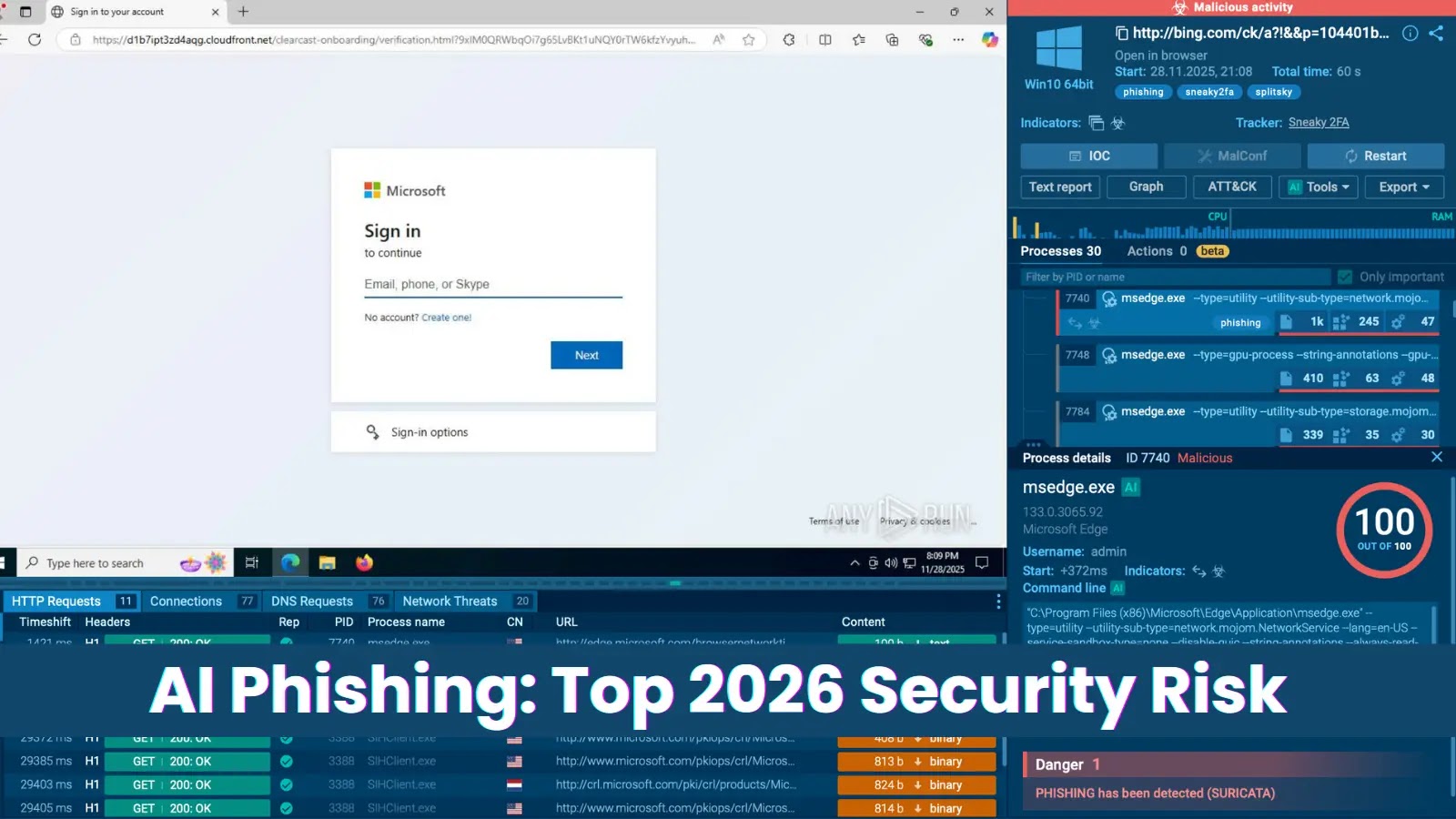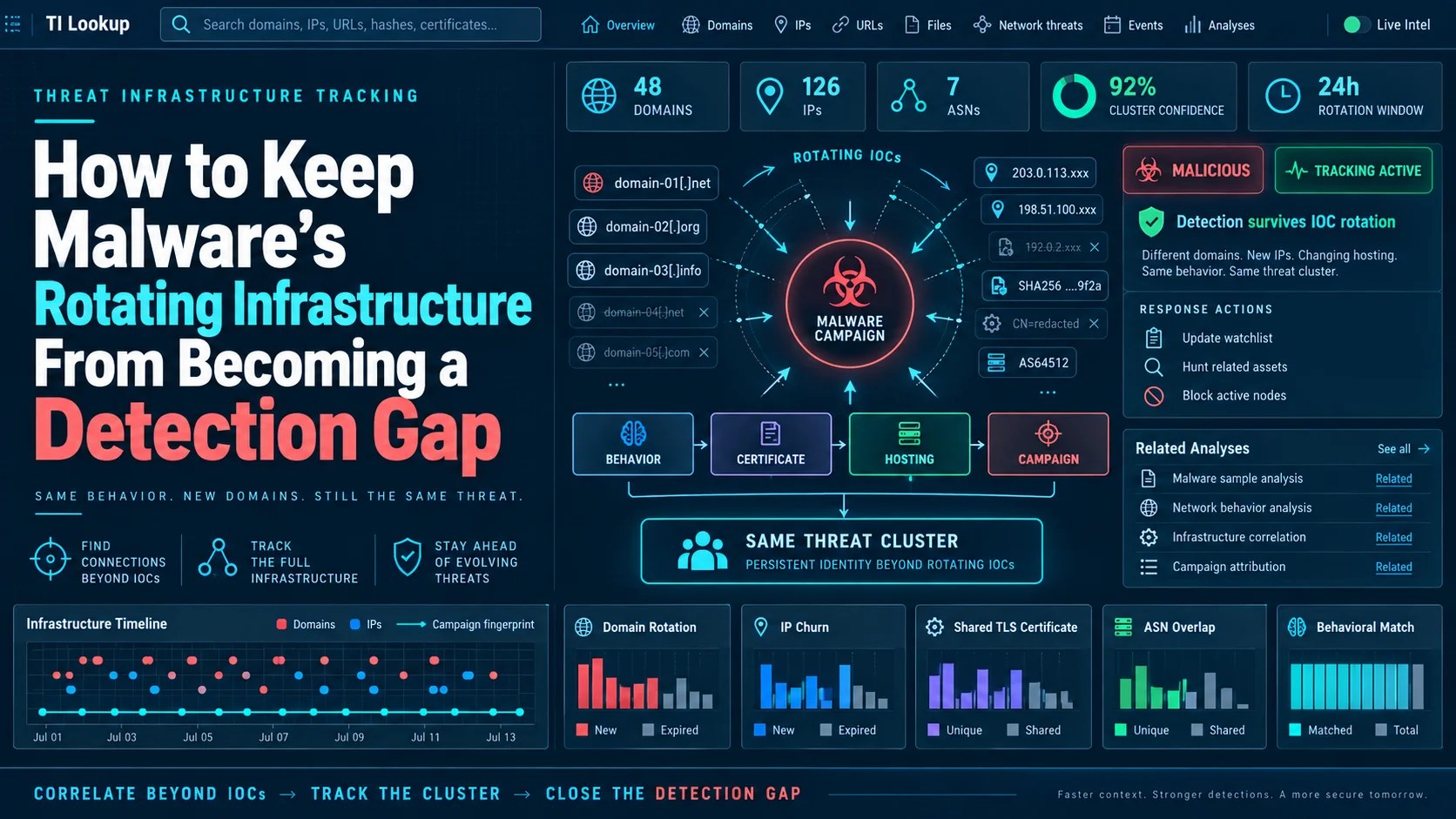
Modern Security Operations Centers (SOCs) face escalating challenges as malware campaigns increasingly utilize dynamic infrastructure. This evolving landscape demands a shift from traditional detection methods to more adaptive strategies. At the heart of this issue is the rapid obsolescence of threat indicators, necessitating constant updates to maintain security efficacy.
Understanding the Challenge of Rotating Infrastructure
Attackers exploit short-lived domains and hosting environments, making it difficult for SOCs to maintain robust defenses. The reliance on constantly changing infrastructure means that even if the attack methods remain consistent, detection becomes more complex. Analysts are burdened with an increased workload as single-indicator blocking proves inadequate, leaving organizations vulnerable to evolving threats.
Recent Phishing Campaign Insights
Recent investigations highlight the scale of the issue. ANY.RUN’s analysis of an RMM phishing campaign revealed a vast network spanning 46 countries. Initially perceived as a Canada-specific threat, it was found to involve 425 kit URLs across 240 hosts, 94% of which were active for only a single day. This illustrates the fleeting nature of attack infrastructures, complicating detection efforts.
Another campaign, known as 3DBlast, showcases the adaptability of phishing kits. Targeting U.S. users, it mimics services like Microsoft 365 and Google, employing varied techniques such as Browser-in-the-Browser and adversary-in-the-middle attacks. These campaigns demonstrate the critical need for SOCs to adapt to rapidly shifting threat landscapes.
Strategies for Effective Threat Detection
Staying ahead of these changes requires SOCs to rapidly integrate fresh threat intelligence into their systems. Access to updated domains, URLs, and IPs is crucial as these elements often change before an attack concludes. Platforms like ANY.RUN’s Threat Intelligence Feeds offer continuous updates, delivering real-world malicious indicators directly into security systems, thereby enhancing detection capabilities.
By leveraging threat data generated from global sandbox investigations, SOC teams can reduce false positives and increase detection accuracy. This approach not only broadens threat coverage but also decreases the time to detect and respond to threats, lessening the manual workload for analysts.
Integrating threat intelligence effectively into existing SOC frameworks ensures that detection aligns with evolving threat infrastructures. This continuous cycle of observation and integration helps maintain a proactive defense posture against emerging threats.
Conclusion: The Path Forward for SOCs
Despite the rapid evolution of attack infrastructure, the core tactics remain identifiable. SOC leaders must focus on integrating fresh threat intelligence to keep pace with these changes. Delivering updated threat data directly into existing security controls minimizes the window of exposure, allowing SOCs to effectively counteract the fluctuating nature of modern malware campaigns.