The GhostCode phishing kit has emerged as a powerful threat, enabling attackers to bypass Microsoft 365’s multi-factor authentication (MFA) and seize control of user accounts in mere seconds. Unlike traditional phishing methods that rely on password theft, GhostCode manipulates its victims into authorizing fraudulent logins to gain unauthorized access.
Deceptive Tactics and Initial Discovery
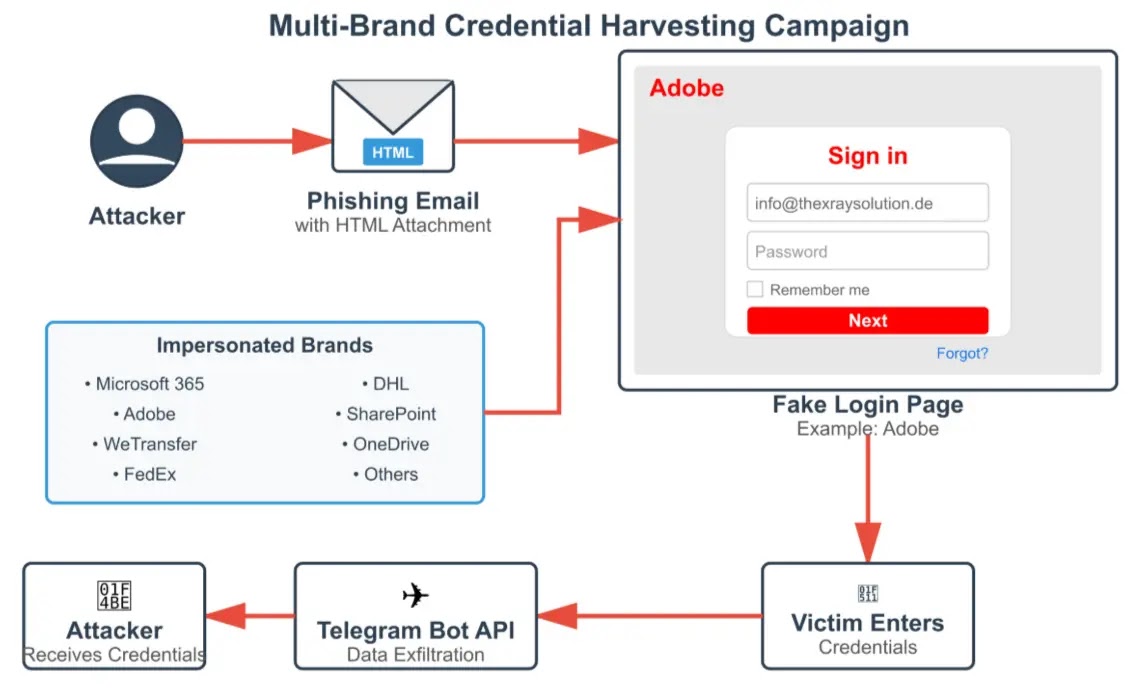
The GhostCode scam begins with seemingly benign messages submitted via business contact forms. Posing as procurement officials, attackers request recipients sign a non-disclosure agreement, forwarding a WeTransfer link with a password-protected HTML file. This file lures users into a fake Microsoft sign-in process. Cybersecurity firm eSentire identified this scheme in late August, naming it GhostCode for its stealth tactics and GHOSTnet-linked infrastructure usage.
eSentire’s report, shared with Cyber Security News, highlights how the operation ingeniously masquerades as legitimate business communication, thereby reducing suspicion. The attack’s immediacy is alarming; victims complete the authentication process, including MFA, on a genuine Microsoft page, yet unknowingly hand over their access tokens to the attackers.
Mechanics of the GhostCode Attack
GhostCode exploits the OAuth device authorization mechanism, commonly used by devices like smart TVs that lack full sign-in capabilities. By requesting a code with the Microsoft Authentication Broker application ID, attackers integrate this code into a deceptive document portal, urging victims to authenticate it, thereby granting access to their accounts.
The phishing attachment complicates detection. It is filled with extraneous data, obfuscates visible text using HTML comments, and encrypts redirect addresses until the correct password is input. This complexity, combined with targeted outreach via contact forms, echoes tactics from other notorious phishing campaigns but with a more personalized approach.
Countermeasures and Protective Strategies
Given the speed of GhostCode’s attack, simply revoking stolen tokens is insufficient. Researchers advise that security teams should invalidate tokens, reset compromised credentials, and scrutinize newly registered devices. Blocking device-code authentication through Conditional Access is recommended for those who do not need it, with strict exceptions for essential services.
Device compliance controls should be applied where feasible to minimize susceptibility to such phishing attacks. Additionally, organizations should train employees to regard unexpected requests for device code entry as suspicious, especially in light of the growing trend of token-focused session theft attempts.
Conclusion and Future Implications
The GhostCode phishing kit underscores the vulnerabilities inherent in reliance on familiar identity pages rather than detecting technical anomalies. As cloud-based operations grow, the distinction between legitimate and fraudulent access requests becomes crucial. Organizations must remain vigilant and adopt comprehensive security strategies to protect against these advanced phishing threats, ensuring that trust in familiar processes does not become a liability.