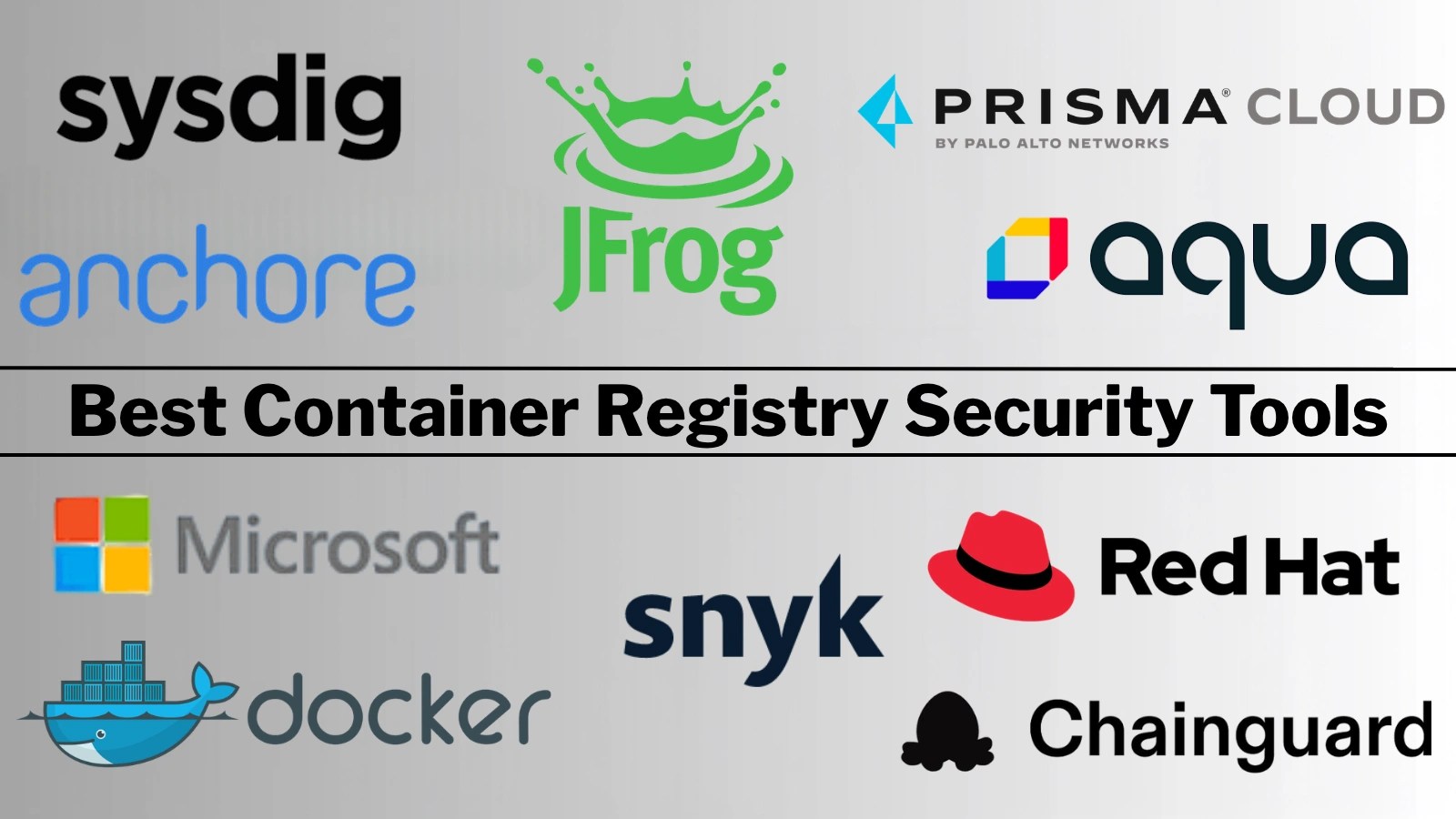
As the digital landscape evolves, container registry security is becoming increasingly essential, with 2026 bringing a wide array of tools designed to safeguard container environments. Tools like Harbor and Anchore’s Grype/Syft provide robust open-source options, while commercial solutions such as Snyk and Aqua offer advanced security features.
Key Features of Leading Security Tools
Container registries act as central points of vulnerability management. Essential features now include image scanning, Software Bill of Materials (SBOM) generation, and policy enforcement. These features have transitioned from optional to mandatory due to compliance requirements like federal mandates and the Software Level Specification Architecture (SLSA) provenance.
In 2026, the security landscape shows a strong foundation of open-source tools supporting commercial platforms that excel in enforcement, provenance, and developer workflows. This year, ten tools were evaluated based on scanning depth, SBOM generation, enforcement capabilities, developer workflows, and pricing value.
Evaluating Security Tools
Tools were assessed using a five-criterion scorecard, weighing scanning depth, SBOM and provenance, enforcement, developer workflow, and pricing clarity. Notably, Aqua Security, Snyk, and JFrog Xray scored high across these criteria, each offering unique advantages suited to different organizational needs.
For instance, Aqua Security is ideal for organizations focused on lifecycle security, while Snyk appeals to engineering teams prioritizing rapid fixes. JFrog Xray is best suited for enterprises standardized on the JFrog ecosystem.
Choosing the Right Tool for Your Needs
When choosing a security tool, consider your organization’s specific needs such as developer workflow velocity or enforcement scale. Open-source solutions like Harbor provide a cost-effective entry point, while commercial tools offer more specialized features like Kubernetes admission control and CI/CD integration.
Additionally, tools like Chainguard, which focus on prevention through hardened images, can significantly reduce the time spent on vulnerability management. This approach is particularly beneficial for teams looking to minimize their CVE backlog.
In conclusion, open-source tools provide a solid security foundation, while commercial offerings cater to more specialized requirements. As container security becomes more complex, organizations must carefully choose tools that align with their operational priorities and compliance obligations.