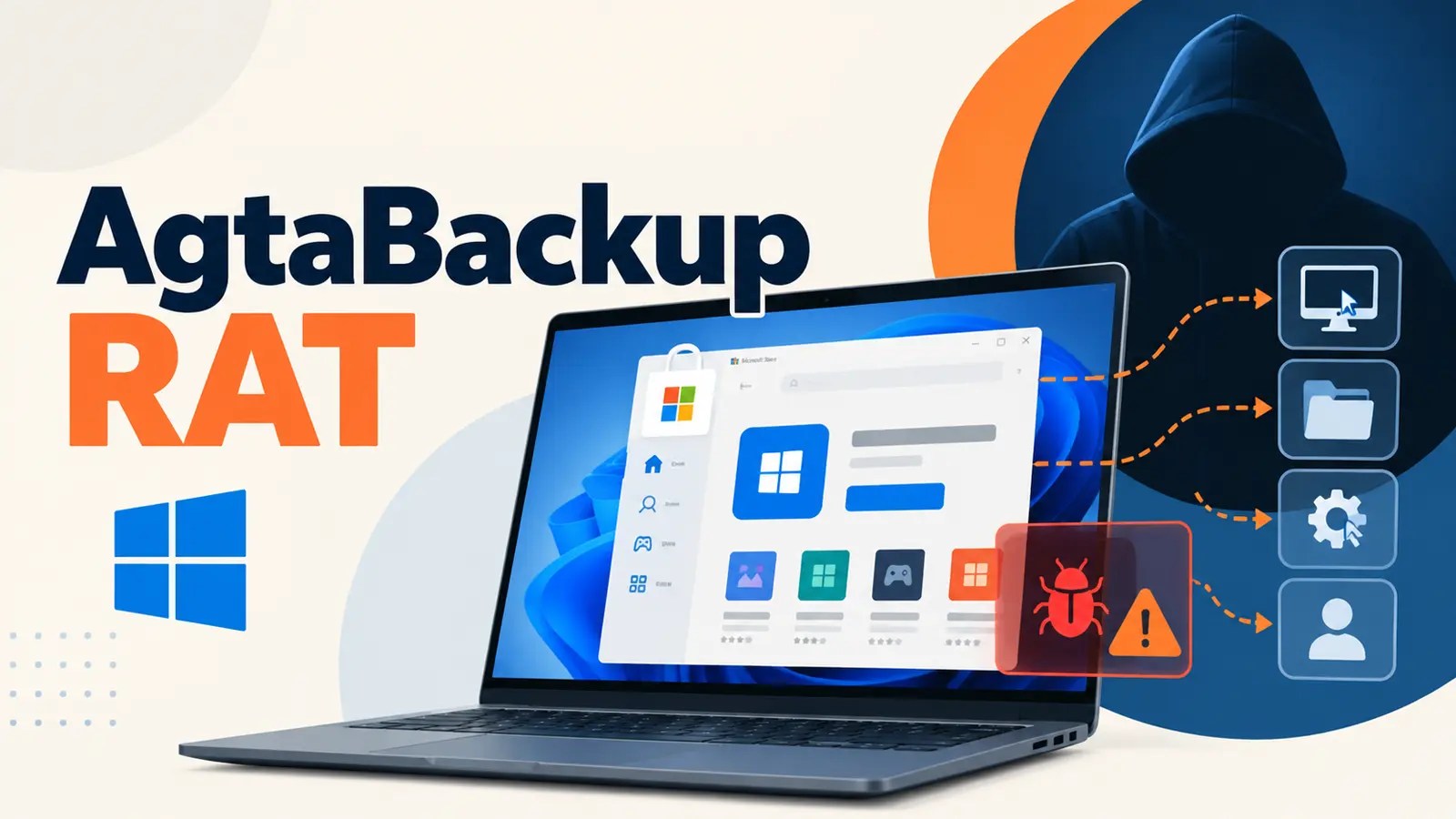
The emergence of a new remote access trojan, AgtaBackup RAT, has caught the attention of cybersecurity experts. This trojan is leveraging counterfeit Microsoft Store pages to infiltrate Windows systems, posing a significant threat to users globally.
Fake Microsoft Store Pages as Entry Points
AgtaBackup RAT operates by masquerading as legitimate video-conferencing software on fake Microsoft Store pages. When users attempt to download the software, they unwittingly install a legitimate remote monitoring and management (RMM) tool. This tool, once installed, provides attackers with a backdoor into the victim’s system, enabling them to control the machine remotely as if it were part of routine IT support.
According to findings from Palo Alto Networks Unit 42, this initial step is crucial as the installer is genuinely signed, making the installation process appear authentic. Upon the user’s acceptance of the Windows User Account Control prompt, the RMM client registers the computer with an attacker-controlled account, granting the attackers discreet access.
Advanced Capabilities and Stealth Tactics
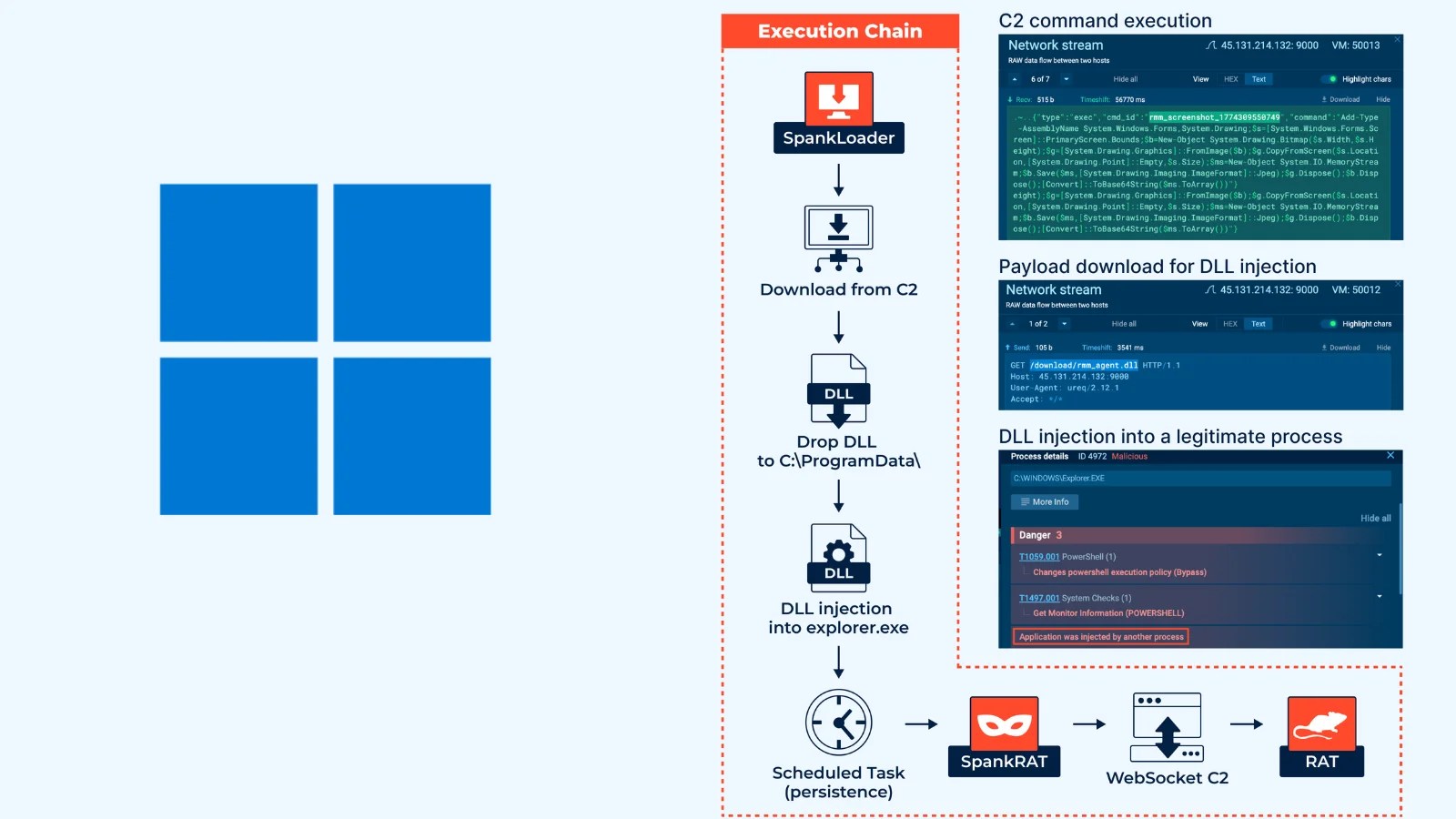
The capabilities of AgtaBackup RAT extend beyond simple remote access. As detailed in a report shared with Cyber Security News, the malware includes a custom .NET backdoor that facilitates long-term system control, data theft, and surveillance. Once access is secured, attackers can deploy the RAT to execute commands, capture screenshots, log keystrokes, and harvest browser data.
This sophisticated approach underscores the necessity for security teams to evaluate unexpected remote-access software critically, focusing on its delivery method and behavior rather than its appearance of legitimacy. The infection process begins with a landing page designed to mimic a Microsoft Store listing, which, when interacted with, delivers an RMM MSI package instead of the expected application.
Security Implications and Detection Strategies
AgtaBackup RAT’s operations continue to raise the stakes for cybersecurity defenses. The malware communicates with its control server every two seconds, establishing a WebSocket channel for real-time command execution. It can inventory the system, manipulate files, and operate a hidden desktop environment for covert activities, increasing the risk of account takeovers through credential theft.
Researchers have noted the malware’s ability to alter Windows settings to bypass security prompts and inject commands remotely, enhancing its stealth capabilities. These advanced features highlight the importance of early detection in disrupting the malware’s delivery chain. Security teams are advised to scrutinize unauthorized RMM enrollments and monitor for unusual network activities, such as repeated service-restoration tasks and machine-level control settings.
As a precaution, users should ensure that software updates are obtained from official sources only, a measure emphasized in the context of similar fake update campaigns. The comprehensive list of indicators of compromise (IoCs) provided by researchers serves as a valuable resource for identifying potential threats.
For more detailed information on the AgtaBackup RAT and its indicators of compromise, integrating threat intelligence into your security operations center can significantly enhance response capabilities.