Skip to content
  • Home
  • Cyber Map
  • About Us – Contact
  • Disclaimer
  • Terms and Rules
  • Privacy Policy
Cyber Web Spider Blog – News

Cyber Web Spider Blog – News

Globe Threat Map provides a real-time, interactive 3D visualization of global cyber threats. Monitor DDoS attacks, malware, and hacking attempts with geo-located arcs on a rotating globe. Stay informed with live logs and archive stats.

  • Home
  • Cyber Map
  • Cyber Security News
  • Security Week News
  • The Hacker News
  • How To?
  • Toggle search form
Phishing Scams Exploit ScreenConnect for Remote Access

Phishing Scams Exploit ScreenConnect for Remote Access

Posted on October 5, 2026 By CWS

Cybercriminals are leveraging the legitimate ScreenConnect tool to infiltrate systems through deceptive phishing emails. This strategy, aimed at gaining remote access, uses a payment notification as a lure, redirecting victims to a software download rather than deploying custom malware.

How Phishing Exploits Remote Management Tools

The phishing email informs recipients of a fictitious payment of $5745.65, encouraging them to download a PDF to view order details. This mirrors previous tactics where administrative software is disguised as routine workplace documents. The Internet Storm Center (ISC) discovered this scheme after analyzing the downloaded program.

According to a report shared with Cyber Security News, the downloaded file was a legitimate ScreenConnect client configured to connect to an attacker-controlled account. The analysis, published on October 1, 2026, by researcher Xavier Mertens, highlights the potential misuse of legitimate remote support software for unauthorized access.

Deceptive Tactics and Security Bypasses

The phishing message uses a typical wire transfer subject and a receipt format to appear credible. It also offers options for cancellation and refunds, enticing recipients to investigate the unexpected charge. However, instead of a PDF, clicking the link downloads a ScreenConnect installer, with the attack relying on convincing the recipient to execute the software.

Mertens noted that while the email bypassed basic security filters, most browsers would block the download due to its suspicious nature. The report did not confirm if any recipient successfully installed the client.

Challenges in Detecting Legitimate Software Abuse

The executable, signed by ConnectWise, LLC, matched its Authenticode signature, indicating no tampering. Mertens found no additional data or alterations, emphasizing that the threat arose from the software’s intended function rather than altered code.

This case underscores the importance of understanding the context of legitimate software installations. It draws attention to the need for caution when such installations follow unsolicited emails. The ISC suggests reviewing the LOLRMM project for a comprehensive list of remote management tools vulnerable to misuse.

Indicators of compromise provided by the ISC report include defanged URLs and domains to prevent accidental access. These highlight the need for vigilance when dealing with unexpected emails containing executable links.

For cybersecurity professionals, this incident serves as a reminder of the complexities in distinguishing between authorized and unauthorized remote access, especially when legitimate tools are involved.

Cyber Security News Tags:cyber attack, cyber threats, Cybersecurity, digital security, email scam, Hacking, internet security, IT security, Malware, Phishing, remote access, remote management, ScreenConnect

Post navigation

Previous Post: Rejetto HFS Vulnerability Exploited, AI Identifies Flaw
Next Post: Healthcare Firms in NJ and TX Suffer Major Data Breaches

Related Posts

RingReaper Malware Attacking Linux Servers Evading EDR Solutions RingReaper Malware Attacking Linux Servers Evading EDR Solutions Cyber Security News
Phishing Alert: Fake Party Invites Install Remote Access Software Phishing Alert: Fake Party Invites Install Remote Access Software Cyber Security News
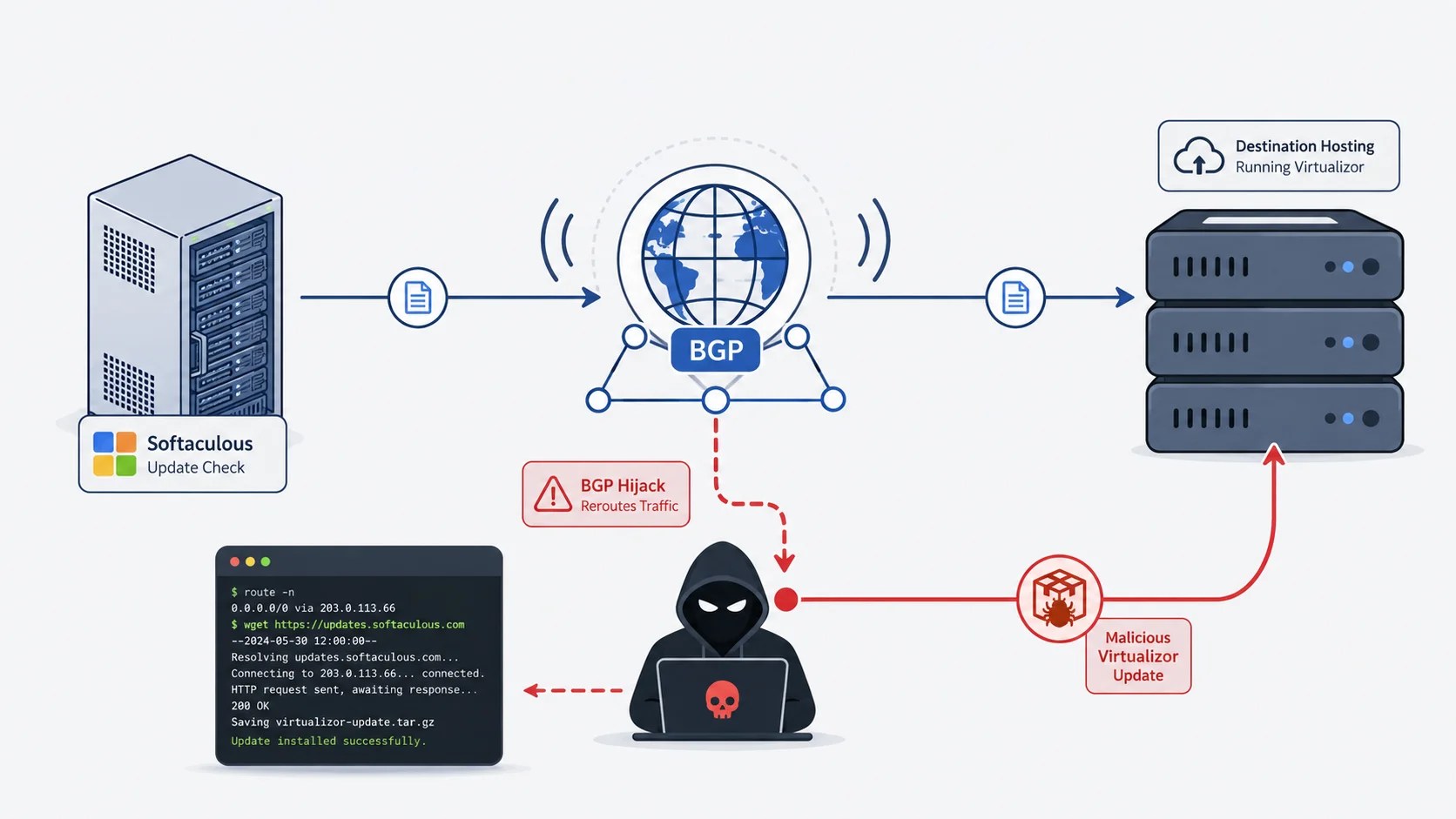
BGP Hijack Targets Softaculous, Delivers Malicious Update BGP Hijack Targets Softaculous, Delivers Malicious Update Cyber Security News
U.S. Tightens Export Controls on Anthropic AI Models U.S. Tightens Export Controls on Anthropic AI Models Cyber Security News
NailaoLocker Ransomware Attacking Windows Systems Using Chinese SM2 Cryptographic Standard NailaoLocker Ransomware Attacking Windows Systems Using Chinese SM2 Cryptographic Standard Cyber Security News
Critical IP-KVM Flaws Expose Enterprise Networks Critical IP-KVM Flaws Expose Enterprise Networks Cyber Security News

Categories

  • Cyber Security News
  • How To?
  • Security Week News
  • The Hacker News

Recent Posts

  • Rising Credential Layer Challenges Security Teams
  • Windows 11 Update Causes App Crashes Due to Audio Bug
  • Healthcare Firms in NJ and TX Suffer Major Data Breaches
  • Phishing Scams Exploit ScreenConnect for Remote Access
  • Rejetto HFS Vulnerability Exploited, AI Identifies Flaw

Pages

  • About Us – Contact
  • Disclaimer
  • Privacy Policy
  • Terms and Rules

Archives

  • October 2026
  • September 2026
  • August 2026
  • July 2026
  • June 2026
  • May 2026
  • April 2026
  • March 2026
  • February 2026
  • January 2026
  • December 2025
  • November 2025
  • October 2025
  • September 2025
  • August 2025
  • July 2025
  • June 2025
  • May 2025

Recent Posts

  • Rising Credential Layer Challenges Security Teams
  • Windows 11 Update Causes App Crashes Due to Audio Bug
  • Healthcare Firms in NJ and TX Suffer Major Data Breaches
  • Phishing Scams Exploit ScreenConnect for Remote Access
  • Rejetto HFS Vulnerability Exploited, AI Identifies Flaw

Pages

  • About Us – Contact
  • Disclaimer
  • Privacy Policy
  • Terms and Rules

Categories

  • Cyber Security News
  • How To?
  • Security Week News
  • The Hacker News

Copyright © 2026 Cyber Web Spider Blog – News.

Powered by PressBook Masonry Dark