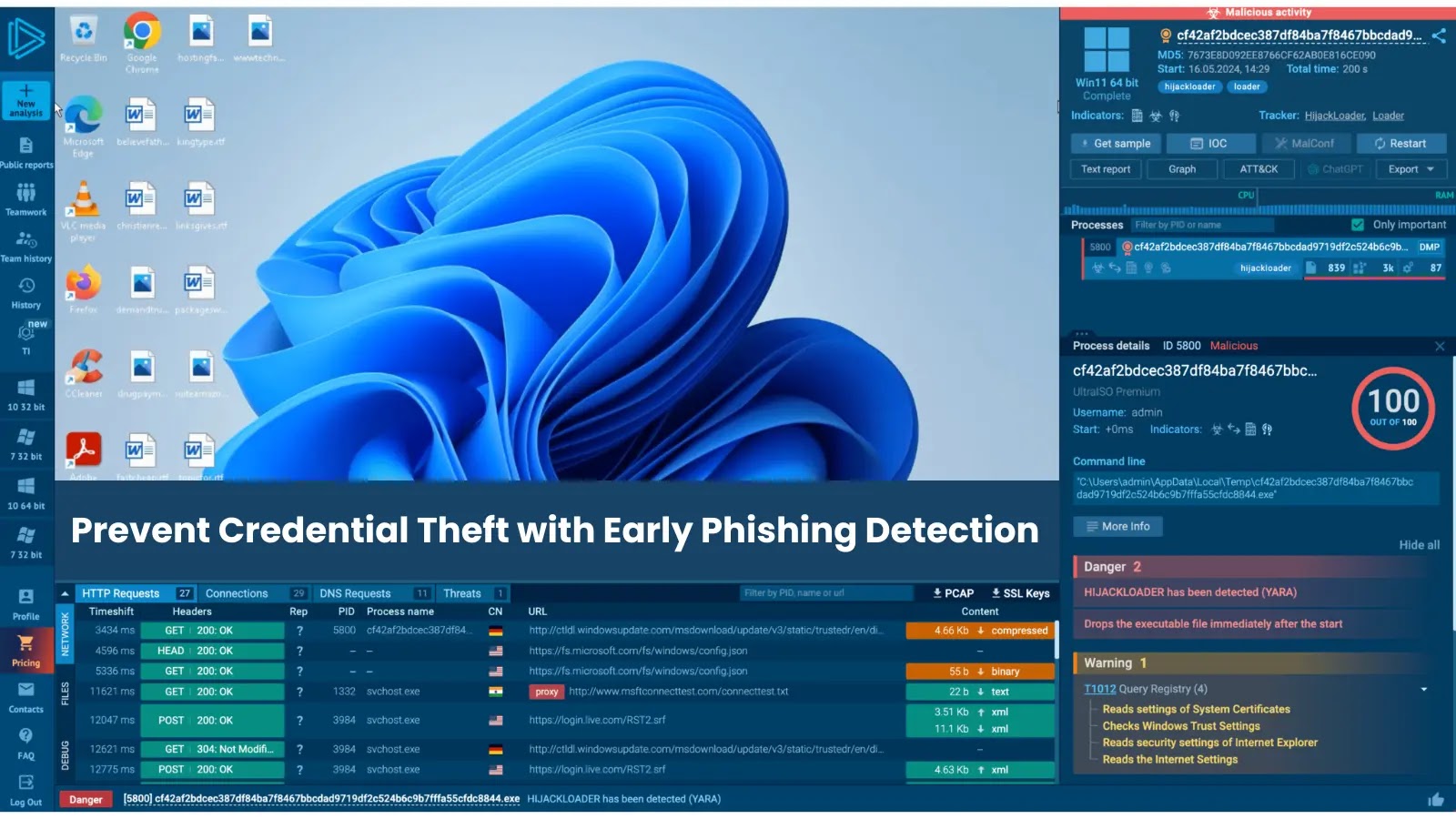
Cybercriminals are leveraging the legitimate ScreenConnect tool to infiltrate systems through deceptive phishing emails. This strategy, aimed at gaining remote access, uses a payment notification as a lure, redirecting victims to a software download rather than deploying custom malware.
How Phishing Exploits Remote Management Tools
The phishing email informs recipients of a fictitious payment of $5745.65, encouraging them to download a PDF to view order details. This mirrors previous tactics where administrative software is disguised as routine workplace documents. The Internet Storm Center (ISC) discovered this scheme after analyzing the downloaded program.
According to a report shared with Cyber Security News, the downloaded file was a legitimate ScreenConnect client configured to connect to an attacker-controlled account. The analysis, published on October 1, 2026, by researcher Xavier Mertens, highlights the potential misuse of legitimate remote support software for unauthorized access.
Deceptive Tactics and Security Bypasses
The phishing message uses a typical wire transfer subject and a receipt format to appear credible. It also offers options for cancellation and refunds, enticing recipients to investigate the unexpected charge. However, instead of a PDF, clicking the link downloads a ScreenConnect installer, with the attack relying on convincing the recipient to execute the software.
Mertens noted that while the email bypassed basic security filters, most browsers would block the download due to its suspicious nature. The report did not confirm if any recipient successfully installed the client.
Challenges in Detecting Legitimate Software Abuse
The executable, signed by ConnectWise, LLC, matched its Authenticode signature, indicating no tampering. Mertens found no additional data or alterations, emphasizing that the threat arose from the software’s intended function rather than altered code.
This case underscores the importance of understanding the context of legitimate software installations. It draws attention to the need for caution when such installations follow unsolicited emails. The ISC suggests reviewing the LOLRMM project for a comprehensive list of remote management tools vulnerable to misuse.
Indicators of compromise provided by the ISC report include defanged URLs and domains to prevent accidental access. These highlight the need for vigilance when dealing with unexpected emails containing executable links.
For cybersecurity professionals, this incident serves as a reminder of the complexities in distinguishing between authorized and unauthorized remote access, especially when legitimate tools are involved.