AI Coding Assistant Misuse in Ransomware Attacks
In a recent cybersecurity breach, a ransomware affiliate has ingeniously manipulated an AI coding assistant to facilitate attacks on enterprise networks. Identified as Azazel, the perpetrator has executed a series of attacks by leveraging stolen credentials and remote command execution capabilities, collaborating with the Gentlemen ransomware group.
The attacks have impacted over twenty businesses across six countries, affecting sectors ranging from logistics and insurance to pharmaceuticals and AI. These intrusions predominantly utilized secrets pilfered from software build pipelines, with a separate attack targeting an AI-based medical imaging service.
Unveiling the Attack Strategy
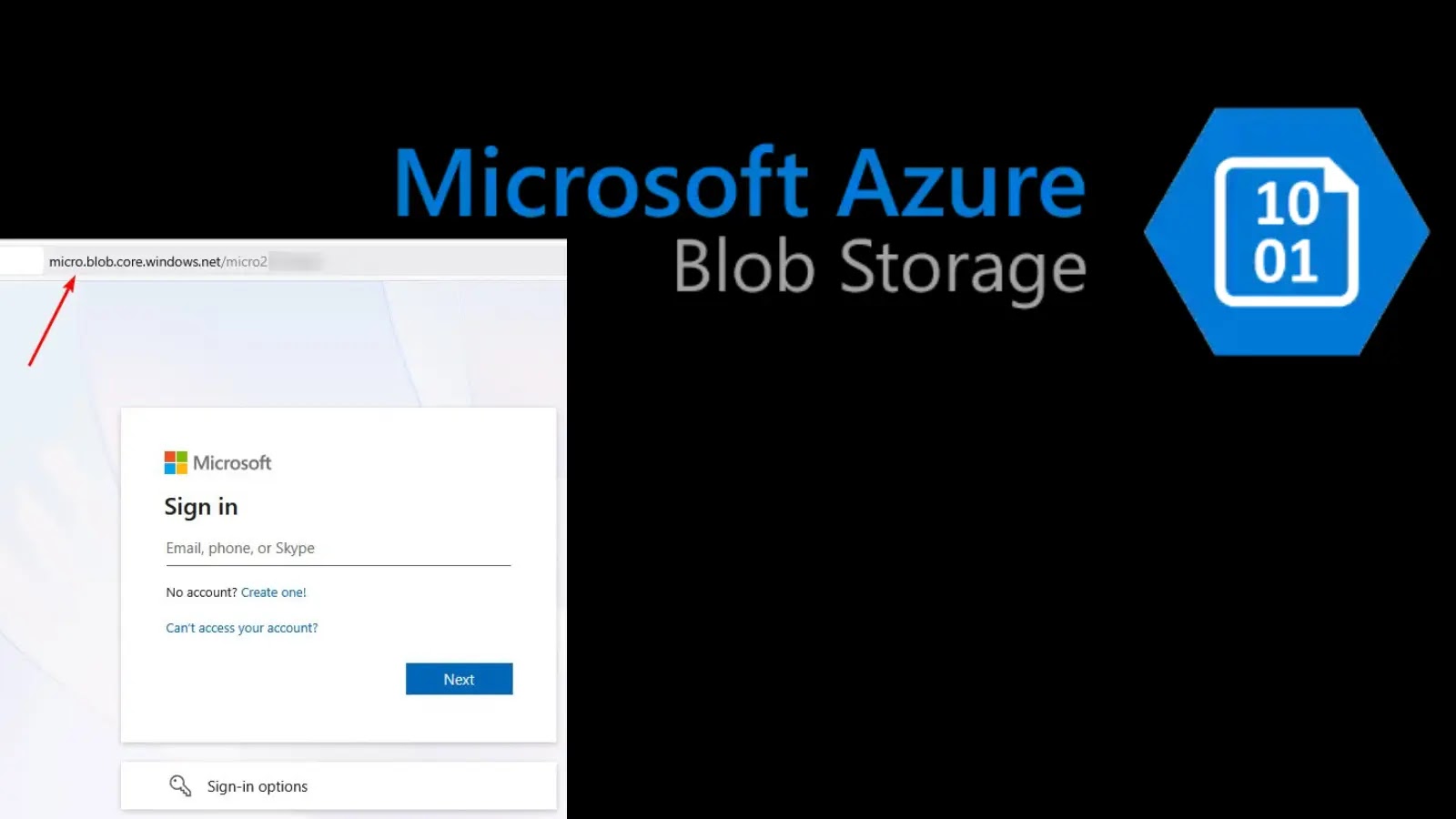
Researchers from CloudSEK uncovered this operation after stumbling upon an exposed directory and misconfigured storage infrastructure. Their findings, released in a report shared with Cyber Security News, exposed active data theft, specialized attack scripts, and an independent extortion scheme. Published on October 5, 2026, the report highlights the evolving role of AI from merely assisting in malicious code development to executing direct attacks.
Azazel employed a reverse shell handler within an AI coding assistant using the Model Context Protocol (MCP), facilitating remote command execution. This approach was evidenced by a ransom note verification script that utilized MCP to ensure extortion messages reached multiple internal locations, including login messages and database settings.
Exploiting Credentials and Infrastructure
Credential theft was a significant vector in these attacks, with many victims compromised through credentials collected from GitLab pipeline variables and repository histories. A breach at a software service provider alone affected over 150 databases and numerous client companies, emphasizing the widespread impact of such security lapses.
One victim organization experienced the loss of over 120,000 financial records before the attacker halted its live database and erased production data. Azazel then published the stolen information independently, retaining the extortion proceeds without sharing them with the Gentlemen group.
Preventive Measures and Future Implications
The separate intrusion into an AI platform began with an unsecured imaging API, allowing the attacker to access internal services and retrieve sensitive credentials. Over 6TB of data was extracted, with transfers ongoing during the investigation. CloudSEK advises organizations to store pipeline secrets securely, rotate exposed tokens, and audit repository histories regularly.
To mitigate these risks, organizations should restrict MCP services to local access, log privileged tool executions, and separate encryption keys from configuration files. Monitoring for unusual pipeline activities and limiting database command execution are also crucial steps in strengthening security defenses.
In conclusion, the misuse of AI in ransomware attacks underscores the need for enhanced cybersecurity measures. As AI continues to integrate into various infrastructures, it becomes imperative for organizations to anticipate and counteract potential threats, ensuring robust protection against evolving cyber threats.