In the ever-evolving field of cybersecurity, understanding the functionality of suspect files is crucial. This necessitates the use of malware analysis tools, crucial for determining the behavior of potential threats. In 2026, a range of tools are recognized for their efficacy, from basic hash lookups to advanced hypervisor-based inspections.
Leading the Field: Top Malware Tools
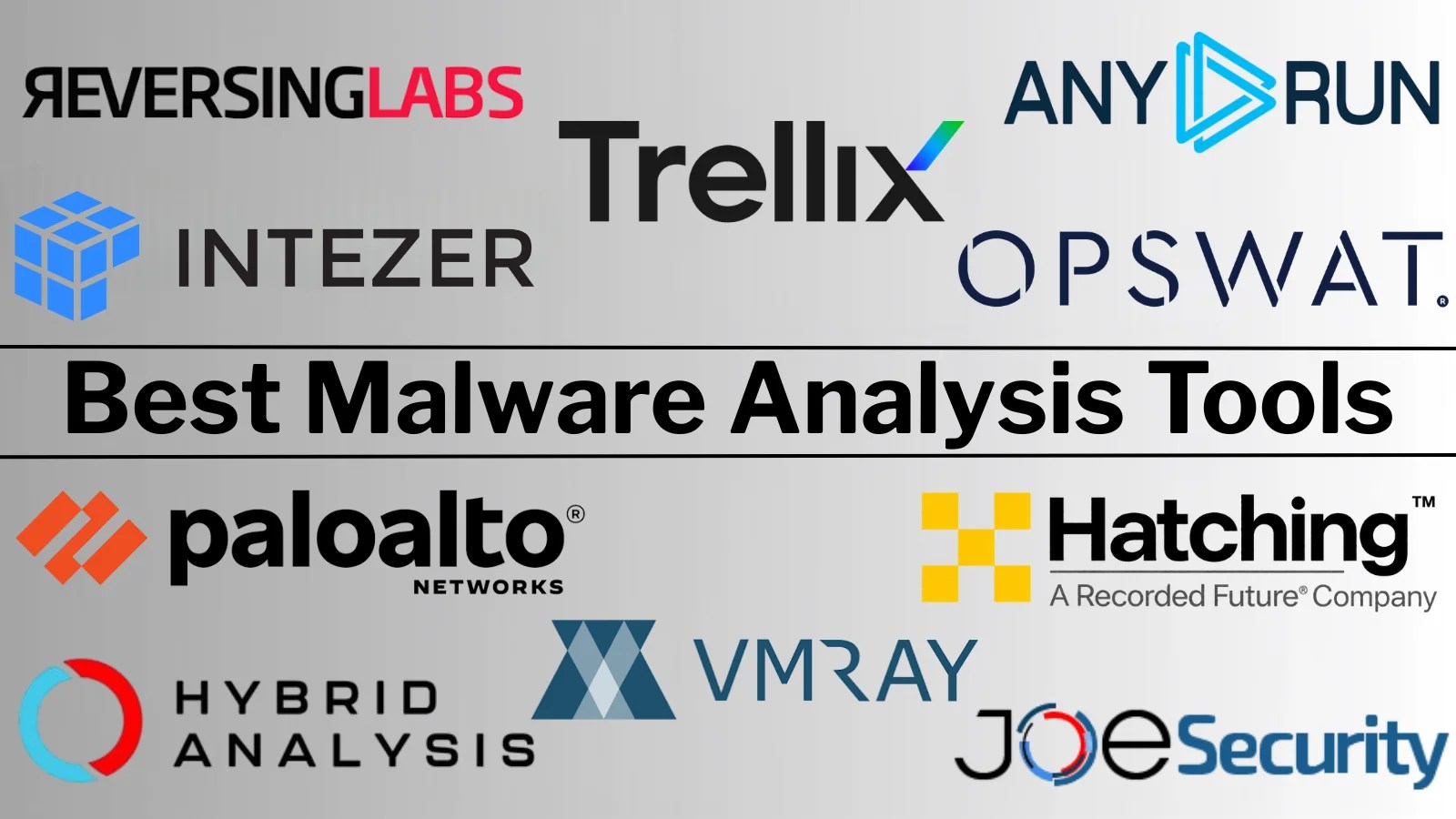
Modern adversaries design malware with sophisticated evasion tactics, including sleep timers and conditional triggers. These factors make choosing the right malware analysis tool critical. Google’s VirusTotal, known for its comprehensive context analysis, ranks as the top choice, followed by ANY.RUN and VMRay, which are valued for their interactive features and evasion resistance, respectively.
VirusTotal is the starting point for most investigations globally, offering a robust lookup service for context gathering. ANY.RUN provides an immersive interactive sandbox experience, allowing analysts to engage with malware in real time. VMRay stands out for its advanced evasion resistance, utilizing hypervisor-level monitoring that many malware cannot detect.
Evaluating Malware Analysis Tools
The evaluation of malware analysis tools in 2026 considered multiple factors, including evasion resistance, interactivity, and pricing transparency. Notably, OPSWAT MetaDefender Cloud is praised for its multi-engine threat context capability, offering both free entry and commercial tiers. It provides fast insights into files, URLs, and IPs, making it a vital tool for initial triage.
Other noteworthy tools include Joe Security, which offers cross-platform analysis across all major operating systems, and ReversingLabs, known for its extensive file-intelligence scale. Each of these tools serves specific needs within cybersecurity teams, from providing broad platform coverage to handling high-volume file analysis efficiently.
Strategic Implementation and Future Outlook
For cybersecurity teams, implementing a multi-layered strategy using these tools is essential. Starting with free options like VirusTotal for general context, and progressing to paid solutions for more interactive and evasive analysis, ensures a comprehensive defense. It’s crucial to integrate analysis results into broader security protocols, such as SIEM and threat intelligence platforms.
As we look to the future, the importance of adapting to emerging threats with advanced tools cannot be overstated. By leveraging the strengths of each tool, organizations can better anticipate and mitigate the risks associated with sophisticated cyber threats.
Cybersecurity teams are encouraged to regularly review their toolset, ensuring they adapt to the evolving threat landscape, while maintaining a keen eye on privacy and data governance, especially when dealing with sensitive information.