Skip to content
  • Home
  • Cyber Map
  • About Us – Contact
  • Disclaimer
  • Terms and Rules
  • Privacy Policy
Cyber Web Spider Blog – News

Cyber Web Spider Blog – News

Globe Threat Map provides a real-time, interactive 3D visualization of global cyber threats. Monitor DDoS attacks, malware, and hacking attempts with geo-located arcs on a rotating globe. Stay informed with live logs and archive stats.

  • Home
  • Cyber Map
  • Cyber Security News
  • Security Week News
  • The Hacker News
  • How To?
  • Toggle search form
Leading DevSecOps Platforms for 2026: A Comprehensive Review

Leading DevSecOps Platforms for 2026: A Comprehensive Review

Posted on October 15, 2026 By CWS

As the demand for integrating security in the development process grows, choosing the right DevSecOps platform becomes crucial. In 2026, several platforms stand out by facilitating not just the detection but also the remediation of vulnerabilities, a critical measure of success.

Top Contenders in DevSecOps

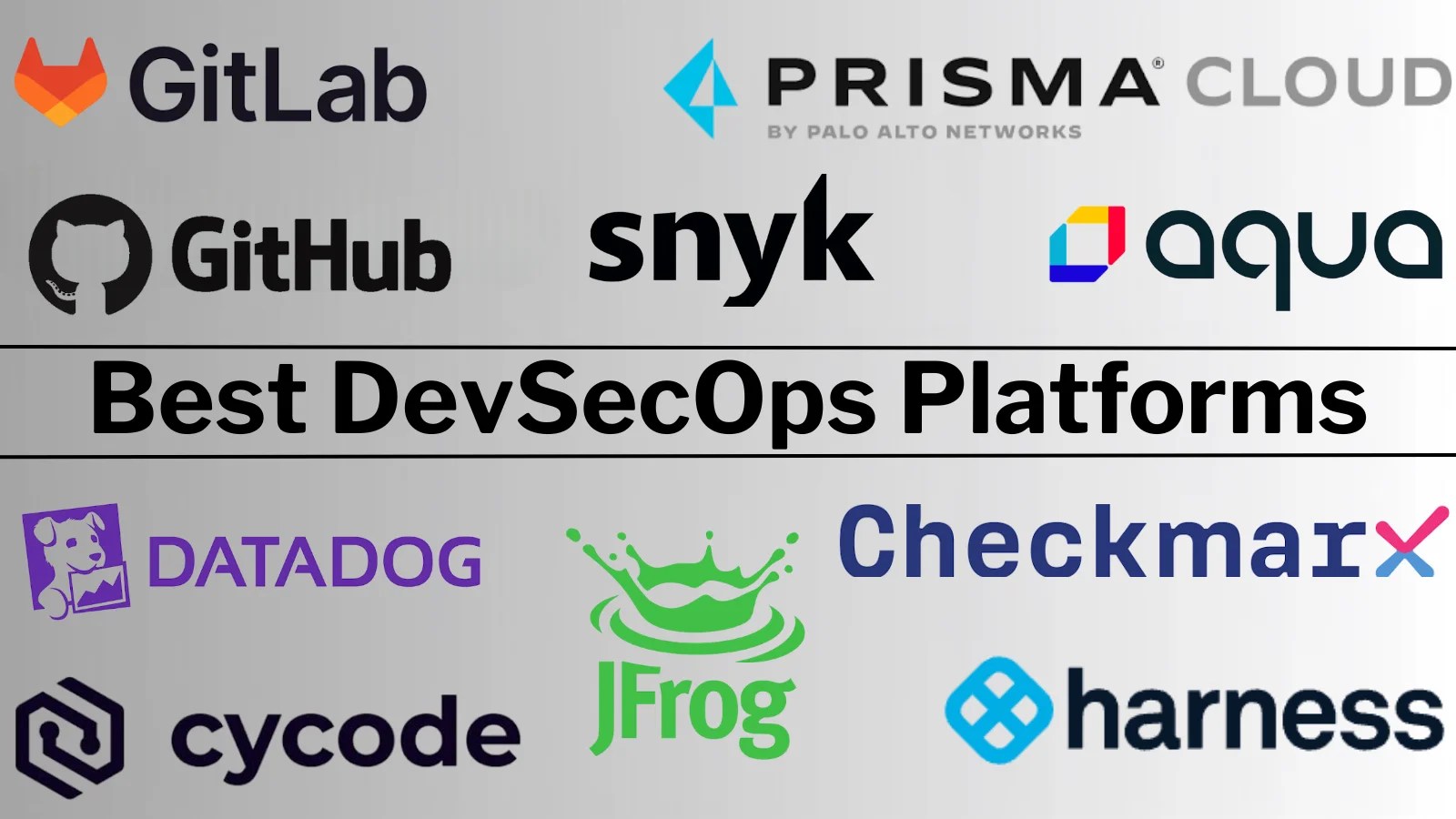
GitLab leads the charge with its all-in-one platform that integrates pipelines, repositories, and scanning functionalities, offering published pricing that appeals to enterprises. Following closely, GitHub Advanced Security leverages its integration within the code itself, enhancing developers’ ability to address security issues natively. Snyk rounds out the top three by providing a developer-friendly workbench that simplifies the security process.

Other notable mentions include Datadog and Prisma Cloud, which connect pipeline findings to live production environments, offering real-time security insights.

Scoring Methodology

Our evaluation prioritized platforms based on their ability to facilitate adoption and issue resolution. The scoring considered several factors: adoption potential (30%), coverage breadth (25%), pipeline integration (20%), transparency in pricing (15%), and runtime connectivity (10%). This rigorous methodology ensures a comprehensive assessment of each platform’s capabilities.

Detailed Platform Insights

GitLab’s strength lies in its comprehensive integration of security scanning throughout the software development lifecycle, although its scanner depth can lag behind specialized tools. GitHub Advanced Security excels with features like CodeQL and Copilot Autofix, providing automated remediation directly within pull requests.

Snyk’s wide adoption among developers is due to its seamless integration into development environments, offering instant feedback and automated fixes for various code and infrastructure issues. Aqua Security capitalizes on its open-source Trivy scanner to provide robust container and cloud-native security.

Future Outlook

With the evolving landscape of software development, the future of DevSecOps platforms will likely focus on enhancing integration and automation. Prioritizing platforms that promote adoption and actively address vulnerabilities will be key in maintaining secure and efficient development pipelines. As these tools continue to evolve, organizations must remain adaptable, integrating security measures that align with their unique needs.
Cyber Security News Tags:Aqua Security, Checkmarx, continuous integration, Cycode, Datadog, DevSecOps 2026, GitHub Advanced Security, GitLab, Harness, JFrog, Prisma Cloud, Snyk, Software Security, vulnerability management

Post navigation

Previous Post: Cyberattack Expands to Impact Supermarket Refrigeration Systems

Related Posts

Hackers Exploit Zimbra Vulnerability as 0-Day with Weaponized iCalendar Files Hackers Exploit Zimbra Vulnerability as 0-Day with Weaponized iCalendar Files Cyber Security News
Open-Source Tool for Salesforce Aura Framework Misconfiguration Analysis Open-Source Tool for Salesforce Aura Framework Misconfiguration Analysis Cyber Security News
Windows 11 Enhances File Explorer with Speedy Menus Windows 11 Enhances File Explorer with Speedy Menus Cyber Security News
AWS Enhances Network Firewall with Rule Hit Count Feature AWS Enhances Network Firewall with Rule Hit Count Feature Cyber Security News
Microsoft’s Update Health Tools Configuration Vulnerability Let Attackers Execute Arbitrary Code Remotely Microsoft’s Update Health Tools Configuration Vulnerability Let Attackers Execute Arbitrary Code Remotely Cyber Security News
KATARU IoT Malware: Linux Exploits and DDoS Tactics KATARU IoT Malware: Linux Exploits and DDoS Tactics Cyber Security News

Categories

  • Cyber Security News
  • How To?
  • Security Week News
  • The Hacker News

Recent Posts

  • Leading DevSecOps Platforms for 2026: A Comprehensive Review
  • Cyberattack Expands to Impact Supermarket Refrigeration Systems
  • Combatting Fake AI Attacks in US Businesses: MSSP Strategies
  • Best Malware Analysis Tools of 2026 Revealed
  • New Malware CikaBika Bot Exploits Discord for Control

Pages

  • About Us – Contact
  • Disclaimer
  • Privacy Policy
  • Terms and Rules

Archives

  • October 2026
  • September 2026
  • August 2026
  • July 2026
  • June 2026
  • May 2026
  • April 2026
  • March 2026
  • February 2026
  • January 2026
  • December 2025
  • November 2025
  • October 2025
  • September 2025
  • August 2025
  • July 2025
  • June 2025
  • May 2025

Recent Posts

  • Leading DevSecOps Platforms for 2026: A Comprehensive Review
  • Cyberattack Expands to Impact Supermarket Refrigeration Systems
  • Combatting Fake AI Attacks in US Businesses: MSSP Strategies
  • Best Malware Analysis Tools of 2026 Revealed
  • New Malware CikaBika Bot Exploits Discord for Control

Pages

  • About Us – Contact
  • Disclaimer
  • Privacy Policy
  • Terms and Rules

Categories

  • Cyber Security News
  • How To?
  • Security Week News
  • The Hacker News

Copyright © 2026 Cyber Web Spider Blog – News.

Powered by PressBook Masonry Dark