Skip to content
  • Home
  • Cyber Map
  • About Us – Contact
  • Disclaimer
  • Terms and Rules
  • Privacy Policy
Cyber Web Spider Blog – News

Cyber Web Spider Blog – News

Globe Threat Map provides a real-time, interactive 3D visualization of global cyber threats. Monitor DDoS attacks, malware, and hacking attempts with geo-located arcs on a rotating globe. Stay informed with live logs and archive stats.

  • Home
  • Cyber Map
  • Cyber Security News
  • Security Week News
  • The Hacker News
  • How To?
  • Toggle search form
BlankGrabber Stealer Conceals Malware with Fake Certificates

BlankGrabber Stealer Conceals Malware with Fake Certificates

Posted on March 31, 2026 By CWS

BlankGrabber Stealer Exploits Fake Certificates for Malware Delivery

The BlankGrabber information stealer, a Python-based threat, has been leveraging deceptive certificate loaders to mask its complex malware delivery process. Initially detected in 2023, BlankGrabber has evolved significantly, continuing to target ordinary users through popular online channels.

Designed to extract sensitive data stealthily, BlankGrabber focuses on extracting browser credentials, session tokens, and other personal information. Its modular framework and rapid development cycle allow it to bypass conventional security measures efficiently.

How BlankGrabber Operates

Security analysts from Splunk discovered a sample of the BlankGrabber loader on the Gofile.io platform. The analysis revealed a seemingly benign certificate installation script that actually functioned as a layered infection mechanism.

The loader exploits certutil.exe, a legitimate Windows utility, to decode what appears to be certificate data. However, this encoded information conceals a Rust-based stager, crafted to decrypt and activate the ultimate malicious payload.

Distribution and Impact

BlankGrabber primarily spreads via social engineering tactics and phishing schemes. Attackers distribute it through fake software downloads, malicious archives on Discord, and fraudulent GitHub repositories. Once executed, the malware operates silently, using multiple obfuscation layers to avoid detection.

A successful BlankGrabber attack can lead to severe consequences, such as losing access to browser accounts and financial platforms. The malware also deploys XWorm, enabling attackers to maintain remote control and further exploit compromised systems.

Detection Evasion Techniques

The infection chain starts with a batch file loader using certutil.exe to decode supposed certificate data. The stager performs environment checks to identify sandbox environments, exiting if detected to avoid scrutiny.

If the system is verified as genuine, the malware extracts a RAR archive in the %TEMP% folder, introducing the XWorm client and the BlankGrabber stealer. To camouflage itself, the malware uses names resembling legitimate Windows processes.

BlankGrabber disables Windows Defender and alters the Windows hosts file to block access to security sites. It ensures persistence by copying its payload to the startup folder for execution upon reboot. Security measures should include monitoring certutil.exe activity, restricting unauthorized file-sharing sites, and enforcing application allowlisting to mitigate risks.

Stay informed by following us on Google News, LinkedIn, and X for more updates. Set CSN as a preferred source in Google for prompt notifications.

Cyber Security News Tags:BlankGrabber, cyber attack, cyber threat, Cybersecurity, data protection, fake certificates, information stealer, Malware, Phishing, Python malware

Post navigation

Previous Post: Critical Vulnerability in Open VSX Exposes Users to Risk
Next Post: Supply Chain Attack Targets Axios NPM Packages

Related Posts

Threat Actors Leveraging Senior Travel Scams to Deliver Datzbro Malware Threat Actors Leveraging Senior Travel Scams to Deliver Datzbro Malware Cyber Security News
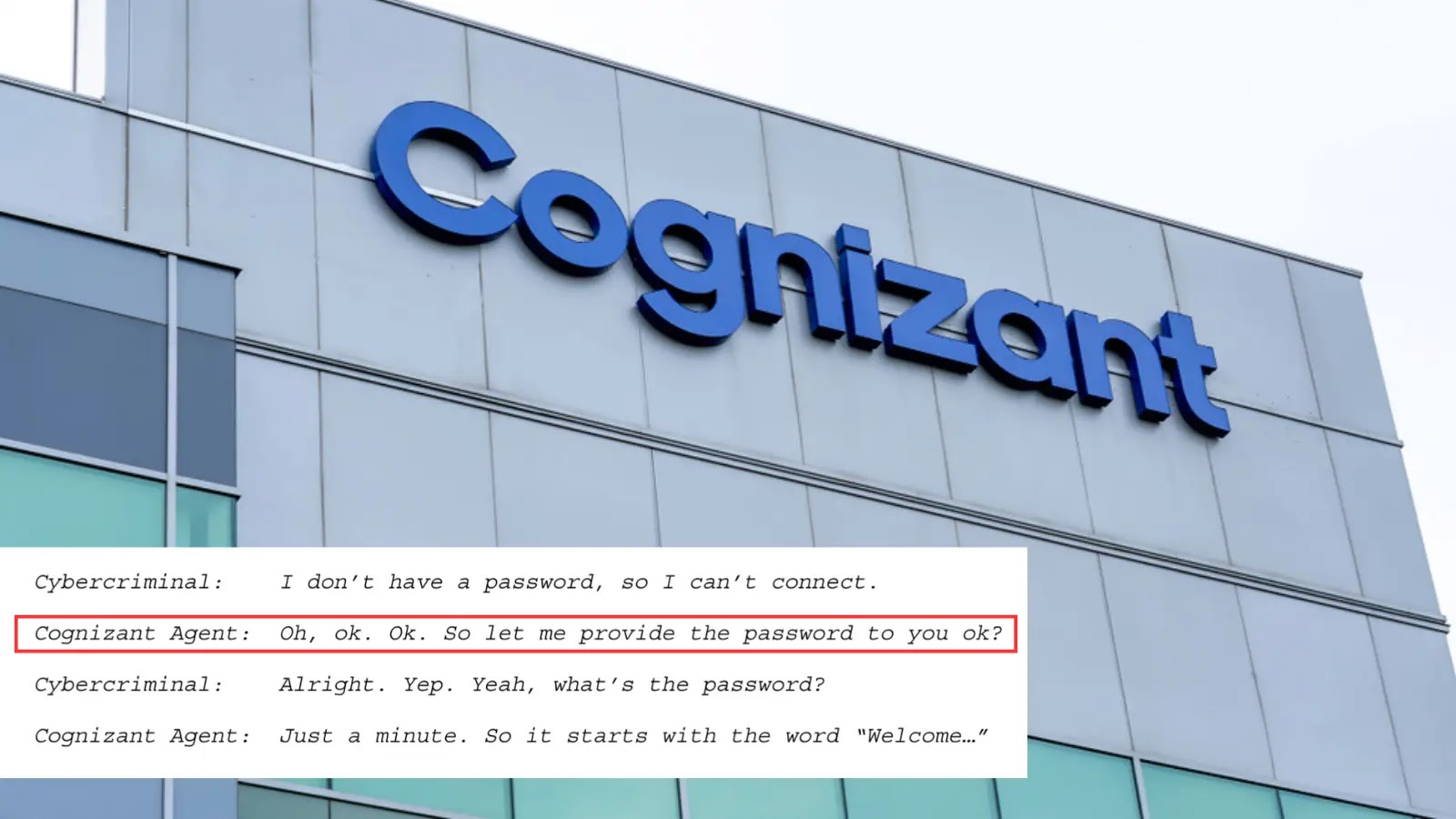
Clorox Sues IT Provider Cognizant For Simply Giving Employee Password to Hackers Clorox Sues IT Provider Cognizant For Simply Giving Employee Password to Hackers Cyber Security News
New BlueMoon Exploit Kit Targets Chrome and Windows New BlueMoon Exploit Kit Targets Chrome and Windows Cyber Security News
Splunk Address Third-Party Packages Vulnerabilities in SOAR Versions Splunk Address Third-Party Packages Vulnerabilities in SOAR Versions Cyber Security News
New Forensic Technique Uncovers Hidden Trails Left by Hackers Exploiting RDP New Forensic Technique Uncovers Hidden Trails Left by Hackers Exploiting RDP Cyber Security News
Thai College Website Hack Exploited for Illegal Casino Ads Thai College Website Hack Exploited for Illegal Casino Ads Cyber Security News

Categories

  • Cyber Security News
  • How To?
  • Security Week News
  • The Hacker News

Recent Posts

  • Wireshark 4.6.9: Security Enhancements Address 19 Flaws
  • New Windows Attack Bypasses EDR with Process Injection
  • Citrix Urges Immediate Update for NetScaler Vulnerabilities
  • Microsoft SharePoint Vulnerability CVE-2026-65660 Under Attack
  • Unpatched Citrix NetScaler Flaws Pose Security Threat

Pages

  • About Us – Contact
  • Disclaimer
  • Privacy Policy
  • Terms and Rules

Archives

  • September 2026
  • August 2026
  • July 2026
  • June 2026
  • May 2026
  • April 2026
  • March 2026
  • February 2026
  • January 2026
  • December 2025
  • November 2025
  • October 2025
  • September 2025
  • August 2025
  • July 2025
  • June 2025
  • May 2025

Recent Posts

  • Wireshark 4.6.9: Security Enhancements Address 19 Flaws
  • New Windows Attack Bypasses EDR with Process Injection
  • Citrix Urges Immediate Update for NetScaler Vulnerabilities
  • Microsoft SharePoint Vulnerability CVE-2026-65660 Under Attack
  • Unpatched Citrix NetScaler Flaws Pose Security Threat

Pages

  • About Us – Contact
  • Disclaimer
  • Privacy Policy
  • Terms and Rules

Categories

  • Cyber Security News
  • How To?
  • Security Week News
  • The Hacker News

Copyright © 2026 Cyber Web Spider Blog – News.

Powered by PressBook Masonry Dark