As the demand for integrating security in the development process grows, choosing the right DevSecOps platform becomes crucial. In 2026, several platforms stand out by facilitating not just the detection but also the remediation of vulnerabilities, a critical measure of success.
Top Contenders in DevSecOps
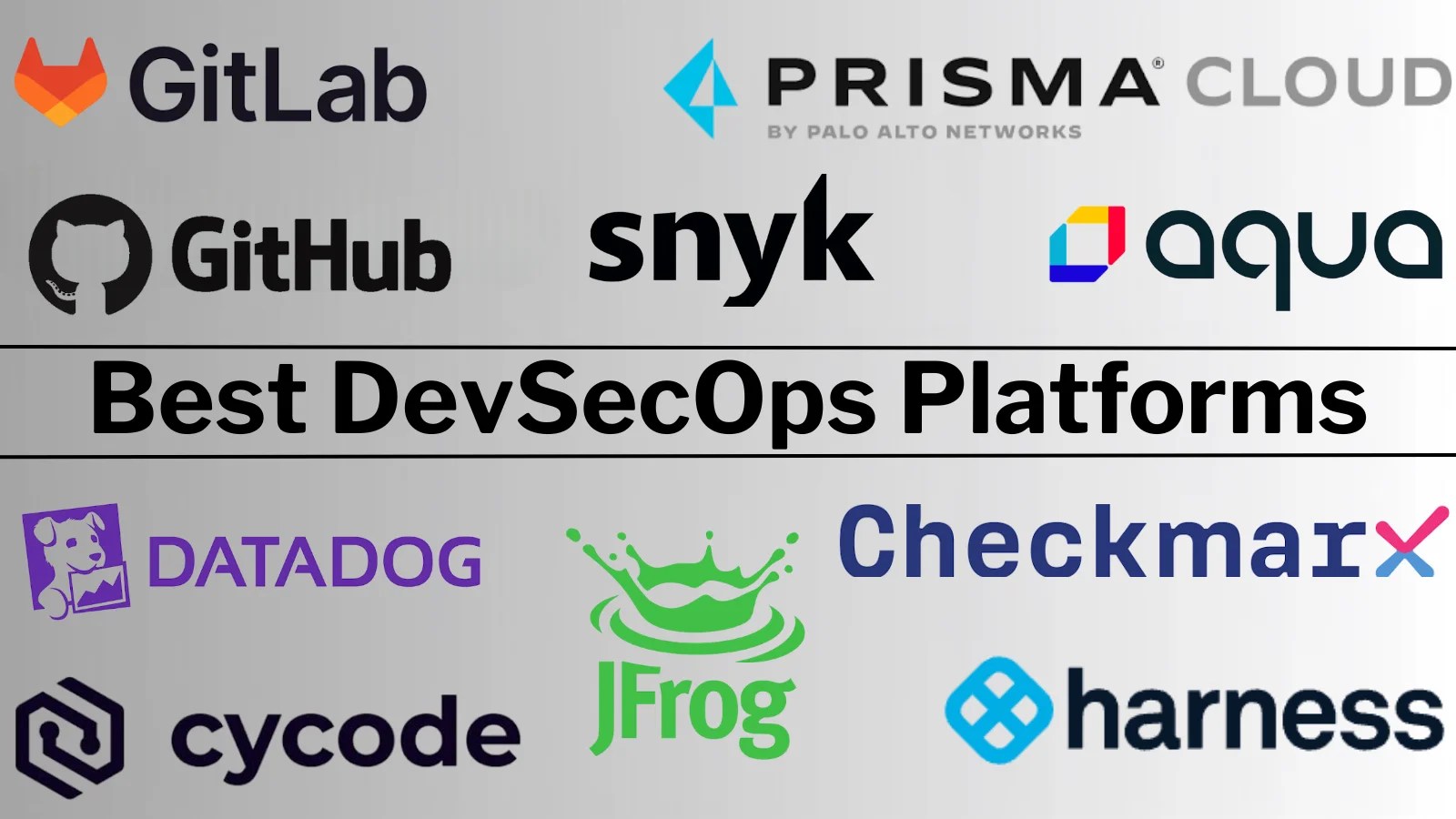
GitLab leads the charge with its all-in-one platform that integrates pipelines, repositories, and scanning functionalities, offering published pricing that appeals to enterprises. Following closely, GitHub Advanced Security leverages its integration within the code itself, enhancing developers’ ability to address security issues natively. Snyk rounds out the top three by providing a developer-friendly workbench that simplifies the security process.
Other notable mentions include Datadog and Prisma Cloud, which connect pipeline findings to live production environments, offering real-time security insights.
Scoring Methodology
Our evaluation prioritized platforms based on their ability to facilitate adoption and issue resolution. The scoring considered several factors: adoption potential (30%), coverage breadth (25%), pipeline integration (20%), transparency in pricing (15%), and runtime connectivity (10%). This rigorous methodology ensures a comprehensive assessment of each platform’s capabilities.
Detailed Platform Insights
GitLab’s strength lies in its comprehensive integration of security scanning throughout the software development lifecycle, although its scanner depth can lag behind specialized tools. GitHub Advanced Security excels with features like CodeQL and Copilot Autofix, providing automated remediation directly within pull requests.
Snyk’s wide adoption among developers is due to its seamless integration into development environments, offering instant feedback and automated fixes for various code and infrastructure issues. Aqua Security capitalizes on its open-source Trivy scanner to provide robust container and cloud-native security.
Future Outlook
With the evolving landscape of software development, the future of DevSecOps platforms will likely focus on enhancing integration and automation. Prioritizing platforms that promote adoption and actively address vulnerabilities will be key in maintaining secure and efficient development pipelines. As these tools continue to evolve, organizations must remain adaptable, integrating security measures that align with their unique needs.