In 2026, enterprises face a significant challenge in managing who has access to critical data, such as merger and acquisition files. The complexity of effective access is often compounded by nested groups and inherited permissions, which many have neglected since initial system migrations. This is where Data Access Governance (DAG) tools become crucial, particularly as AI deployments expose existing permission sprawl.
Top-Ranked Solutions for Data Access Governance
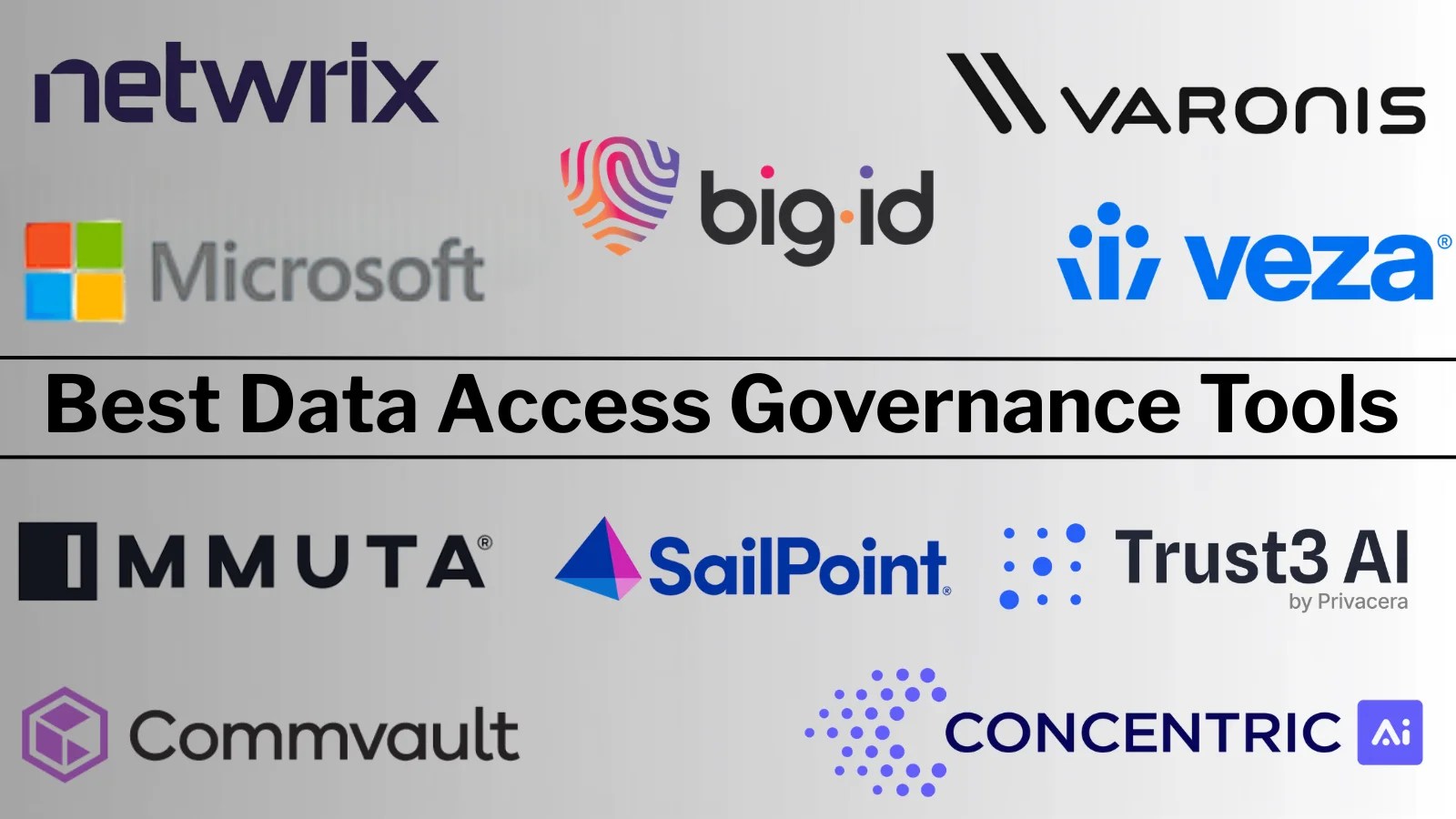
In a comprehensive evaluation of data access governance tools, Varonis emerged as the top solution, followed by Veza and Immuta. These tools were assessed based on their visibility capabilities, remediation strength, and how well they fit into existing data estates. Varonis was praised for its effective-access graph and automated remediation at scale, making it a leader in collaboration environments.
Veza stood out for its cross-system identity-to-data authorization graph, providing a clear view of who can access what data across various systems. Immuta was recognized for its warehouse-native policy enforcement, offering seamless integration with analytics platforms like Snowflake and Databricks.
AI’s Role and the Importance of Nonhuman Identities
The advent of AI assistants has made data access governance more urgent. These tools can highlight overexposed files to users who technically have access, necessitating robust DAG solutions. Additionally, service accounts and pipelines often outnumber human users in data access scenarios, emphasizing the need for governance that prioritizes these nonhuman identities.
Each tool was evaluated based on several criteria, including effective-access computation, activity-informed right-sizing, and automated remediation safety. The assessment also considered estate coverage across collaboration, warehouse, SaaS, and infrastructure environments.
Detailed Insights into the Top Three Tools
Varonis leads the pack with its ability to compute true effective access, surpassing estimates by addressing nested groups and inheritance. Its automated system removes unused grants and enforces least-privilege access, making it a benchmark in remediation. However, its depth in warehouse environments is less robust compared to some policy-native rivals.
Veza’s strength lies in its cross-system graph, which effectively answers the question of identity permissions across different systems. Despite having less developed remediation capabilities in collaboration estates, its governance of nonhuman identities is a significant advantage.
Immuta excels in providing warehouse-native policy enforcement, turning governance rules into actionable policies within analytics environments. This tool’s ability to integrate discovery and policy enforcement without the need for proxies or copies makes it a strong choice for data-heavy enterprises.
As the need for robust data access governance grows, these tools provide crucial solutions for enterprises aiming to control data access and mitigate risks associated with permission sprawl and AI deployments. Companies are encouraged to start with their most sensitive data and gradually expand governance efforts to ensure comprehensive coverage and security.