As technology evolves, ensuring data security through Hardware Security Modules (HSMs) is crucial. In 2026, two major trends are redefining the HSM landscape: the transition to FIPS 140-3 standards and preparations for post-quantum cryptography. These changes dictate the selection process for organizations seeking long-term security solutions.
Leading HSMs in 2026
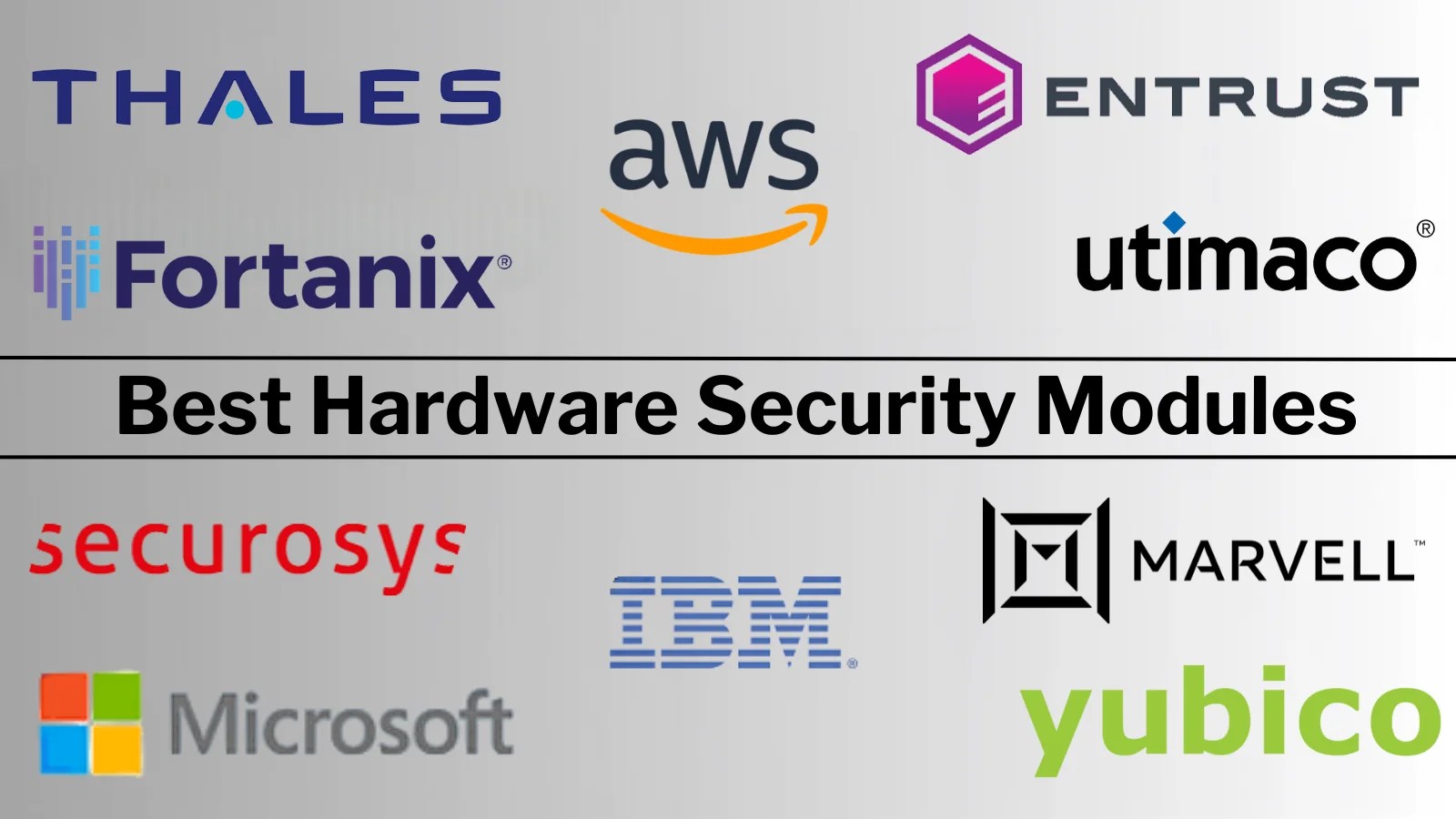
After evaluating several options based on certifications, post-quantum cryptography readiness, and cloud delivery, Thales Luna, Entrust nShield, and AWS CloudHSM emerge as top contenders. Thales Luna is recognized for its comprehensive integration capabilities and strong post-quantum strategy. Entrust nShield offers high assurance with its in-HSM execution feature, while AWS CloudHSM excels with its cloud-native scale.
Other notable mentions include Fortanix for its innovative approach to confidential computing and Yubico’s YubiHSM for providing affordable entry-level options. These solutions cater to various security needs, ensuring robust protection for critical data.
Scoring Criteria and Rankings
The assessment of these HSMs was based on several factors: certifications accounted for 25% of the score, post-quantum readiness another 25%, followed by delivery flexibility and ecosystem integrations at 20% each, and finally pricing structure at 10%. This comprehensive evaluation provides a clear picture of the strengths and potential drawbacks of each solution.
Thales Luna leads with a score of 9.1, followed by Entrust nShield at 8.9, and AWS CloudHSM at 8.6. Each solution offers unique advantages, from Thales Luna’s extensive ecosystem support to AWS CloudHSM’s flexible pricing and rapid deployment.
Future Outlook for HSMs
Looking ahead, organizations must focus on purchasing HSMs that not only meet current standards but are also equipped for future challenges. FIPS 140-3 validation and a clear post-quantum algorithm roadmap are now essential criteria for any new acquisition, ensuring long-term viability and security.
As the industry shifts towards cloud-based and hybrid models, solutions like Fortanix and AWS CloudHSM will likely gain traction. Meanwhile, existing Azure Dedicated HSM users should prioritize migration plans to align with Microsoft’s evolving offerings.
In conclusion, as cybersecurity threats become more sophisticated, selecting the right HSM is more critical than ever. By investing in solutions that are ready for post-quantum environments and adhere to the latest standards, organizations can safeguard their data and ensure a secure future.