Web application security is a critical concern in 2026, with vulnerability scanners playing a pivotal role in identifying potential risks. These tools are essential for analyzing web applications, including single-page apps, authenticated flows, and API backends, to provide a comprehensive security overview.
Leading Web Vulnerability Scanners
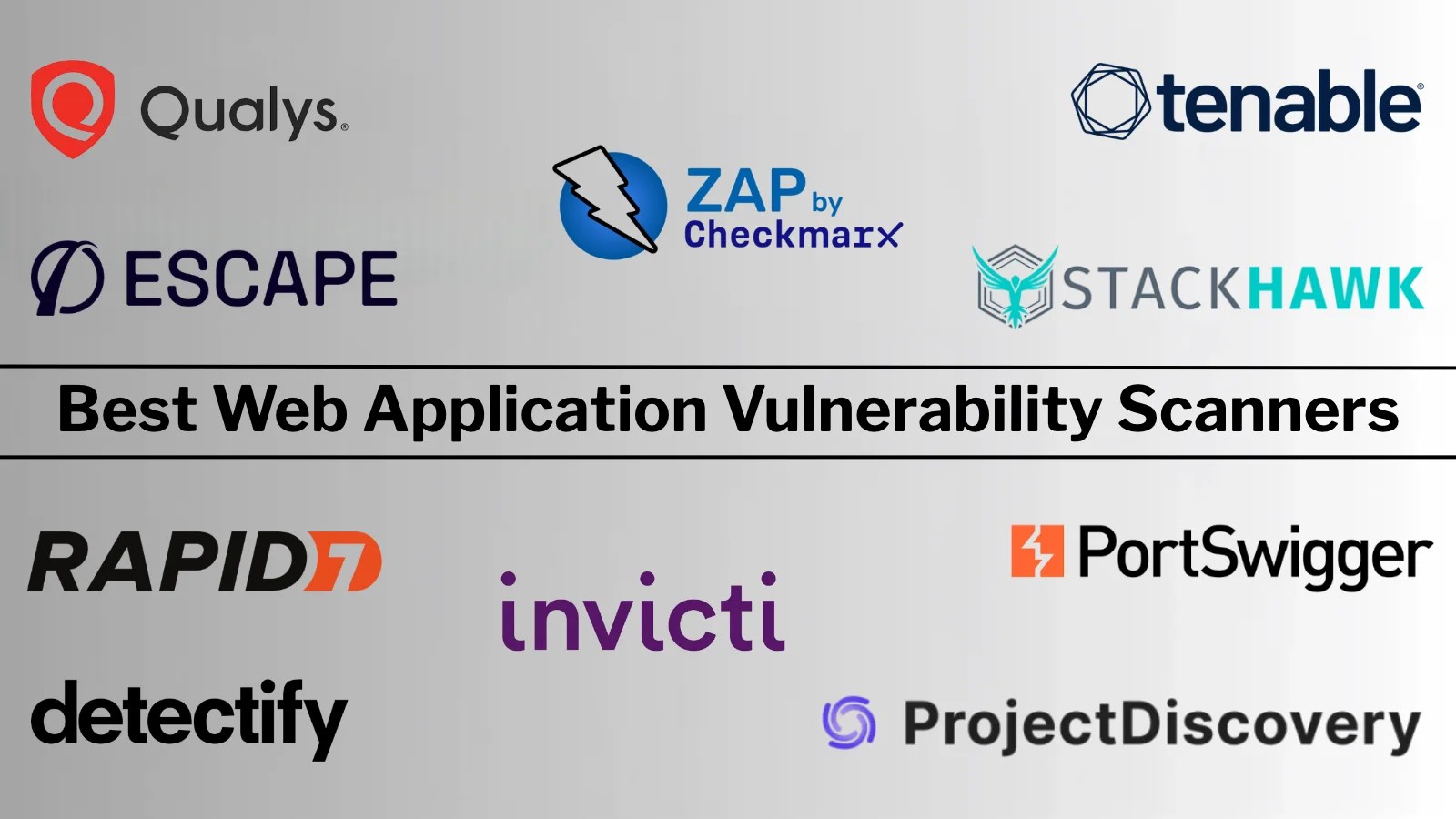
Among the top contenders, PortSwigger’s Burp Suite stands out as the professional benchmark, combining human expertise with automation. Invicti and Qualys follow closely, each offering unique benefits such as automation and platform integration.
Burp Suite is renowned for its depth in manual and automated testing, making it a favorite among cybersecurity professionals. Invicti’s strength lies in its proof-based validation, ensuring accurate findings, while Qualys integrates seamlessly with broader platform estates.
Scoring Methodology
The evaluation of these tools was research-driven, without lab testing or paid placements. Key criteria included crawl coverage, accuracy, integration with CI pipelines, and pricing. Coverage truth and accuracy each accounted for 25% of the total score.
Other factors like pipeline fit, scale ergonomics, and pricing accessibility were also considered, ensuring a balanced assessment of each scanner’s capabilities and limitations.
Top Picks and Features
OWASP ZAP is highlighted as the best open-source option, providing extensive scriptability at no cost. It’s an ideal choice for those looking to train and deploy in budget-conscious environments.
StackHawk excels in developer-pipeline integration, facilitating CI-native operations. Meanwhile, Detectify leverages crowdsourced payloads to enhance scanning accuracy.
ProjectDiscovery’s Nuclei addresses the need for rapid template updates, ensuring timely detection of new vulnerabilities. Escape focuses on API-first scanning, crucial for modern applications utilizing REST and GraphQL.
Overall, selecting the right tool depends on specific needs, including the requirement for proof-based validation, integration with existing platforms, and the ability to handle modern web technologies.
Conclusion and Future Outlook
As web vulnerabilities evolve, the importance of choosing the right scanner cannot be overstated. These tools not only help in maintaining security standards but also streamline the testing process, ensuring that applications are thoroughly evaluated before deployment.
Looking ahead, the integration of advanced technologies such as AI and machine learning will likely enhance the capabilities of these scanners, providing even more robust security solutions for web applications worldwide.