In the evolving landscape of cybersecurity, Cyber Asset Attack Surface Management (CAASM) tools play a critical role in managing and securing digital assets. As organizations face growing complexities in their tech environments, these tools offer innovative solutions to ensure comprehensive asset management.
Understanding CAASM Tools
CAASM tools exist due to discrepancies in asset lists managed by various security solutions. For example, a single laptop might be recorded under different names across systems, or a server might be detected by one tool but not by another. These platforms consolidate asset data from existing tools, resolve duplicates, and address gaps such as unencrypted devices and internet-exposed hosts without endpoint detection and response (EDR).
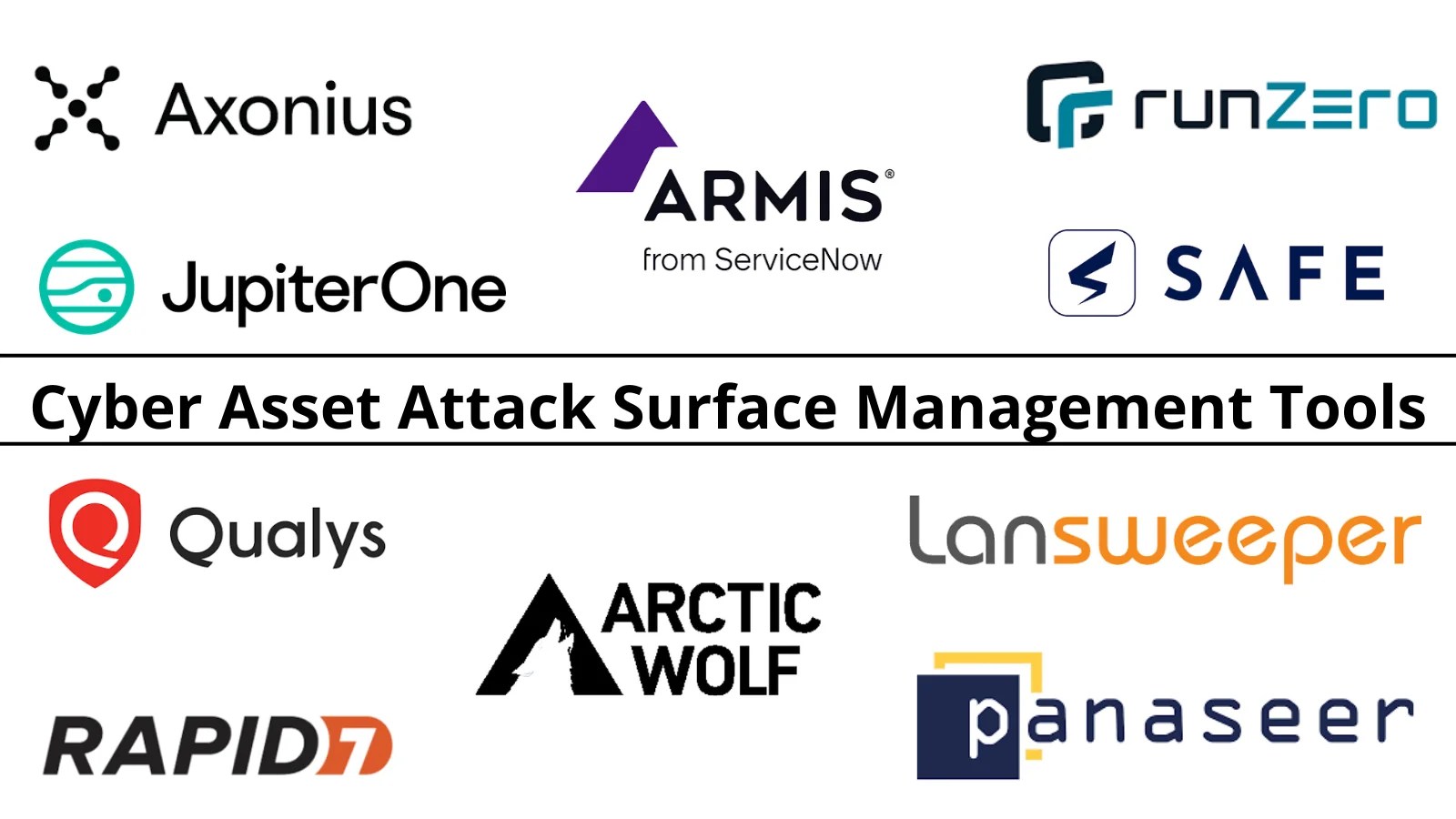
Leading the pack in 2026 are Axonius, JupiterOne, and runZero. Axonius stands out for its connector breadth and merge accuracy, while JupiterOne excels in graph-query depth, and runZero is noted for its discovery-native capabilities.
Key Evaluation Criteria
The evaluation of these tools is grounded in rigorous research, excluding lab tests or paid placements. Key criteria include the breadth and quality of connectors, accuracy in merging and correlation, ease of query functionality, discovery-native capabilities, and the workflow for addressing coverage gaps. Each criterion is weighted, with merge accuracy given the most importance at 25%.
Axonius, for example, is praised for its extensive connector catalog and ability to merge asset data accurately, providing quick answers to complex queries. JupiterOne models assets as a graph, enabling users to explore crucial relationships between assets, policies, and identities.
Top CAASM Tools of 2026
Among the top-ranked tools, Axonius leads with a score of 9.0, thanks to its comprehensive connector aggregation. JupiterOne follows with an 8.6 for its graph-query model, and runZero scores 8.5 for its ability to uncover unknown network assets. Other notable mentions include Armis for its IoT and OT asset management capabilities, and Sevco Security, known for its transparency in correlation processes.
Each tool has its strengths, with some focusing on unmanaged device intelligence and others on the automation of asset management processes. For instance, Armis excels in providing insights into devices that are often unmanaged, such as those in medical or industrial environments.
Future Outlook and Recommendations
As CAASM tools continue to evolve, organizations are encouraged to evaluate their needs carefully, considering whether they require a tool that aggregates known data or one that discovers unknown assets. The right choice can significantly enhance an organization’s security posture by providing real-time insights and reducing the time needed for asset reconciliation.
Ultimately, the value of CAASM tools lies in their ability to quickly answer critical security queries and demonstrate a reduction in coverage gaps over time. By aligning the selection of these tools with organizational goals, businesses can achieve a more secure and efficient asset management strategy.