Recently, cybersecurity researchers identified six critical vulnerabilities in Danfoss AK-SM800A refrigeration controllers that could allow malicious actors to gain unauthorized remote access. The Dutch security consultancy, Midnight Blue, reported these security issues earlier this week, highlighting the potential for attackers to exploit these flaws without requiring login credentials.
Current Security Measures and Limitations
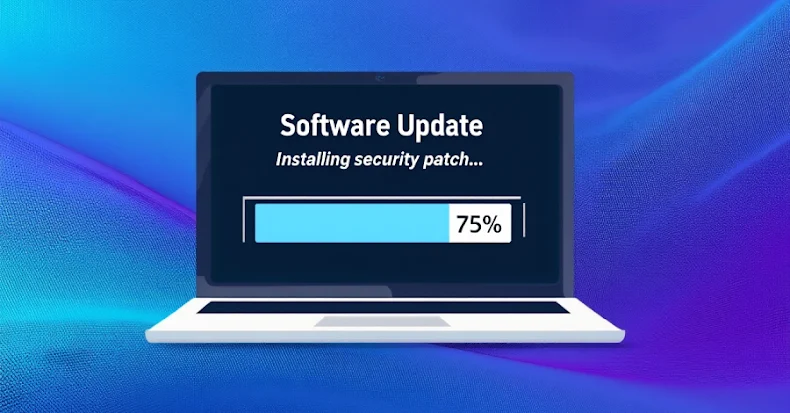
The latest firmware version 5.4.0 does not address these vulnerabilities, leaving the systems exposed. In light of this, cybersecurity agencies in Belgium, Ireland, and Germany have advised disconnecting the controllers’ management interfaces from the internet. They emphasize that merely updating the firmware or changing default passwords is insufficient protection.
The AK-SM800A controllers, which manage refrigeration units in commercial settings, have been the target of cyberattacks since October 11. These attacks have led to unauthorized defrost cycles, causing significant damage to stored goods. Despite recommendations for enabling Strict mode, which enforces encrypted connections and session tokens, one of the vulnerabilities affects the enforcement gateway itself.
Technical Insights and Vendor Response
Midnight Blue’s examination of firmware version 5.3.2, the newest at the time, revealed that all versions up to and including this one are compromised. The research team withheld specific technical details while collaborating with Danfoss to address the issues. The vendor’s advisory does not currently include information on these vulnerabilities, and no timeline for patches has been provided.
The flaws mostly reside in web request handlers that operate without requiring a login. This vulnerability could allow attackers to execute code as root, potentially enabling them to alter settings, trigger defrost cycles, and obscure their tracks. The lack of secure boot means malicious code could persist even after factory resets or firmware updates.
Proactive Measures for Operators
Cybersecurity experts stress the importance of removing internet exposure for these controllers, even if they are running the latest firmware and have Strict mode enabled. Recommendations from the Centre for Cybersecurity Belgium include identifying and securing all controllers with exposed management interfaces, ensuring remote access is provided only through a secure VPN or internal network, and monitoring for unauthorized changes.
Operators are advised to verify their contractual and insurance obligations before limiting data connections to service companies. Additionally, ensuring that all equipment connected to the controllers is functioning correctly is crucial for maintaining operational integrity.
In conclusion, while Danfoss has addressed previous vulnerabilities in the AK-SM800A models, the newly identified flaws underscore the need for a comprehensive security strategy. Operators must take immediate action to mitigate risks while awaiting official patches from the vendor.