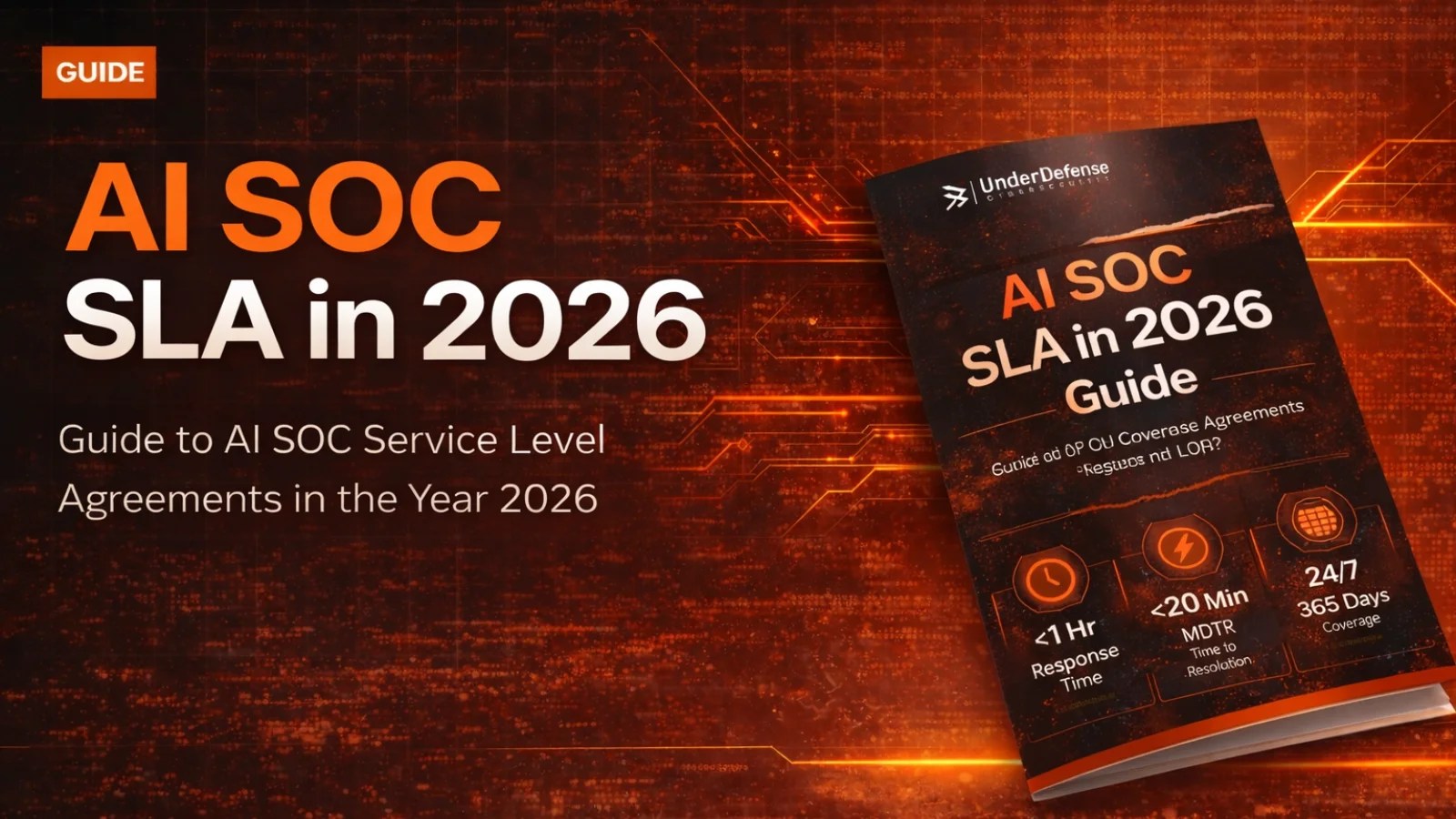
In the rapidly evolving landscape of cybersecurity, the AI Security Operations Center (SOC) Service Level Agreements (SLAs) have significant implications for organizational protection. As AI-driven technologies advance, many existing Managed Detection and Response (MDR) contracts remain anchored in outdated frameworks from 2019, which fail to fully capitalize on artificial intelligence capabilities.
Challenges with Outdated SOC SLAs
Legacy SLAs often include language designed for human-centric operations, setting targets like four-hour mean time to respond (MTTR) and loosely defined breach notification windows. This reflects a time when security analysts manually addressed alerts sequentially, an approach ill-suited for modern AI capabilities. Today, AI systems initiate investigations immediately upon alert detection, conducting tasks such as telemetry correlation and attack chain reconstruction within minutes.
However, the persistence of these outdated contract terms creates a disconnect between service expectations and performance. Such SLAs inadvertently protect vendors, allowing them to rely on vague clauses and ‘best effort’ language, which could result in critical alerts being neglected while threats advance undeterred through networks.
Implementing New Metrics for AI-Driven SOCs
To address these issues, it’s crucial to distinguish between different metrics in SOC contracts. Acknowledgment, detection, response, and containment are distinct stages of incident management, each requiring specific attention. Misinterpretation or oversimplification of these metrics can lead to significant security gaps.
For instance, Mean Time to Acknowledge (MTTA) merely indicates the alert was seen, not that it was addressed. Meanwhile, Mean Time to Contain (MTTC) directly impacts financial outcomes, as it measures how quickly an attacker is neutralized. Contracts must be rewritten to prioritize containment speed, particularly for high-severity incidents like ransomware attacks, where containment time can be the difference between manageable costs and a multimillion-dollar crisis.
Redefining SLAs for Improved Vendor Accountability
Modern SLAs should include clearly defined penalties for non-compliance to ensure vendors are held accountable. The proposed 2026 framework suggests a structured penalty system, starting with service credits for initial failures and escalating to contract termination rights for chronic breaches. This approach incentivizes vendors to maintain high standards and deliver on their promises.
Moreover, organizations should demand transparency from providers by requesting key performance indicators (KPIs) that reflect AI system efficacy. Metrics such as decision accuracy, alert coverage rate, escalation frequency, and false positive reduction offer valuable insights into a vendor’s true capabilities in leveraging AI for security operations.
Conclusion: Preparing for the Future
As cyber threats grow more sophisticated, it is imperative for organizations to update their SOC SLAs to align with the capabilities of AI technologies. By adopting the 2026 framework, businesses can ensure their contracts are equipped to mitigate risks effectively, ultimately safeguarding their operations from costly incidents.
For a comprehensive guide on structuring your AI SOC SLA to meet future standards, consider downloading the full 2026 AI SOC SLA Guide. This resource provides detailed benchmarks, negotiation strategies, and penalty structures to support your next contract review, ensuring your security operations are both proactive and responsive.