Introduction to Anthropic’s Security Plugin
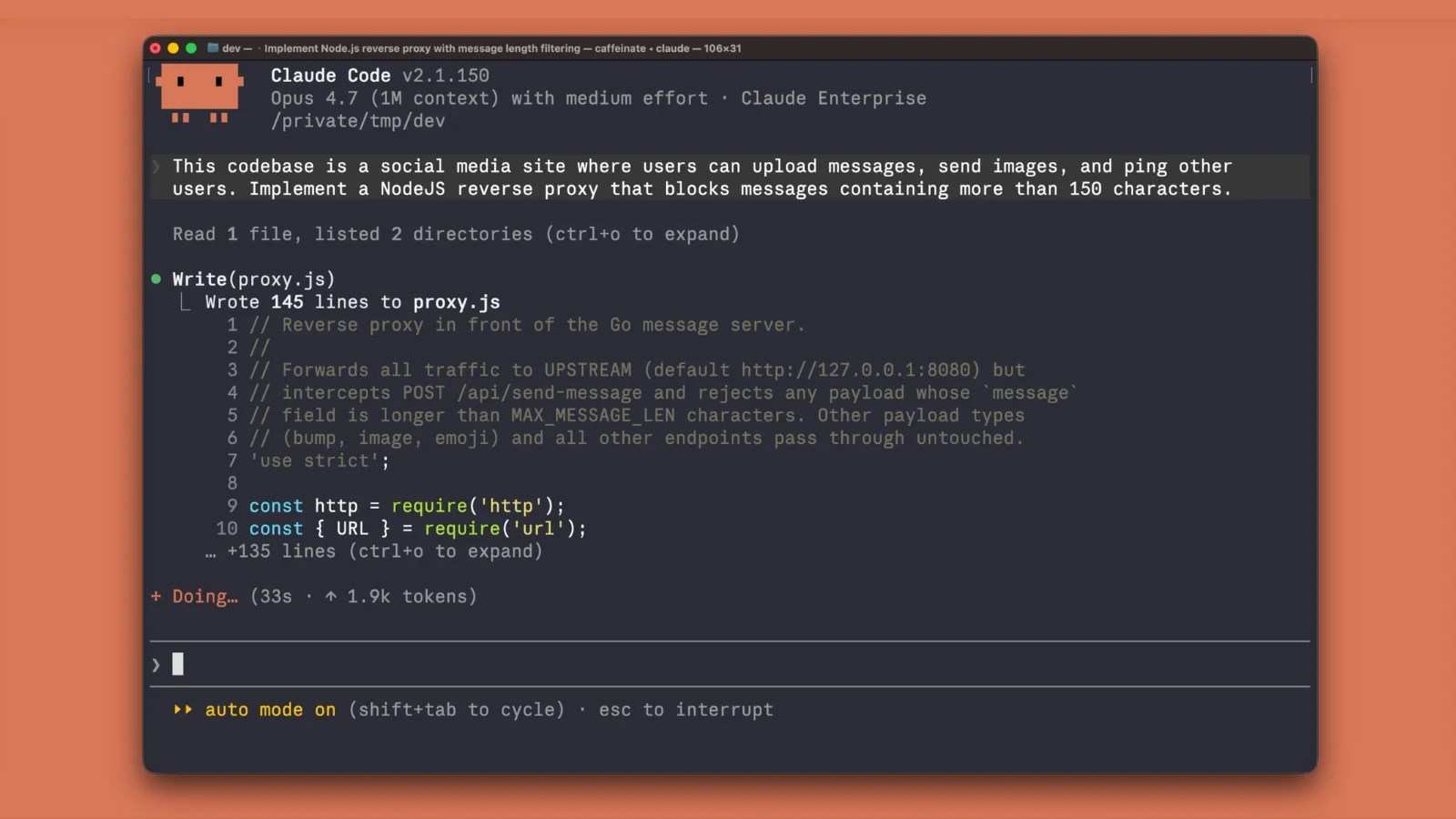
Anthropic has introduced an innovative security plugin for its Claude Code terminal tool, designed to autonomously review code edits, model outputs, and commits in real-time. This new tool aims to identify vulnerabilities before they are deployed, supporting developers in creating secure code environments.
The plugin is available at no cost across all user plans, representing a pivotal move towards enhancing security measures early in the AI-assisted development process.
Three-Tier Security Measures
The security plugin incorporates a layered approach to threat detection, structured across three distinct checkpoints. These are designed to identify vulnerabilities at various stages within a coding session.
Initially, it performs a rapid, deterministic pattern check during each file edit, highlighting potentially dangerous constructs such as eval(), new Function(), and os.system(). This method does not require AI inference, which ensures no additional usage costs are incurred.
Subsequently, a separate Claude model reviews the entire git diff at the end of each conversational turn. This model identifies logic-level vulnerabilities, including authorization bypass and weak cryptography, which simple string matching might miss.
Enhanced Commit Reviews
Upon committing or pushing changes through the Bash tool, the plugin initiates a deeper analysis of surrounding code components to reduce false positives. This process is backed by Claude Opus 4.7, although developers can opt for other models via specific environment variables.
Internal tests revealed a 30–40% reduction in security-related feedback on pull requests, positioning the plugin as a real-time aid to existing code review processes.
Industry experts, including executives from firms like J.P. Morgan, have lauded this integration of security checks directly into the coding workflow, reducing reliance on post-coding review phases.
Installation and Customization Options
Installing the plugin is straightforward, requiring a simple command within a Claude Code session. Further customization is possible through two repository-level files, allowing developers to specify threat models and custom pattern checks.
Organizations can implement the plugin across teams via managed settings, ensuring consistent security practices. The tool requires Claude Code CLI version 2.1.144 or later and supports Python 3.8+.
An open-source repository on GitHub provides a reference for utilizing the plugin, assisting in detecting and addressing issues such as SQL injection and hardcoded credentials.
Conclusion and Future Outlook
While the plugin enhances security measures within the development process, it is not a comprehensive solution. Instead, it serves as an integral layer of defense, offering guidance for resolving vulnerabilities within the same session.
Anthropic’s new plugin underscores the importance of integrating security checks into the development workflow, paving the way for more secure software solutions in an increasingly AI-driven world.