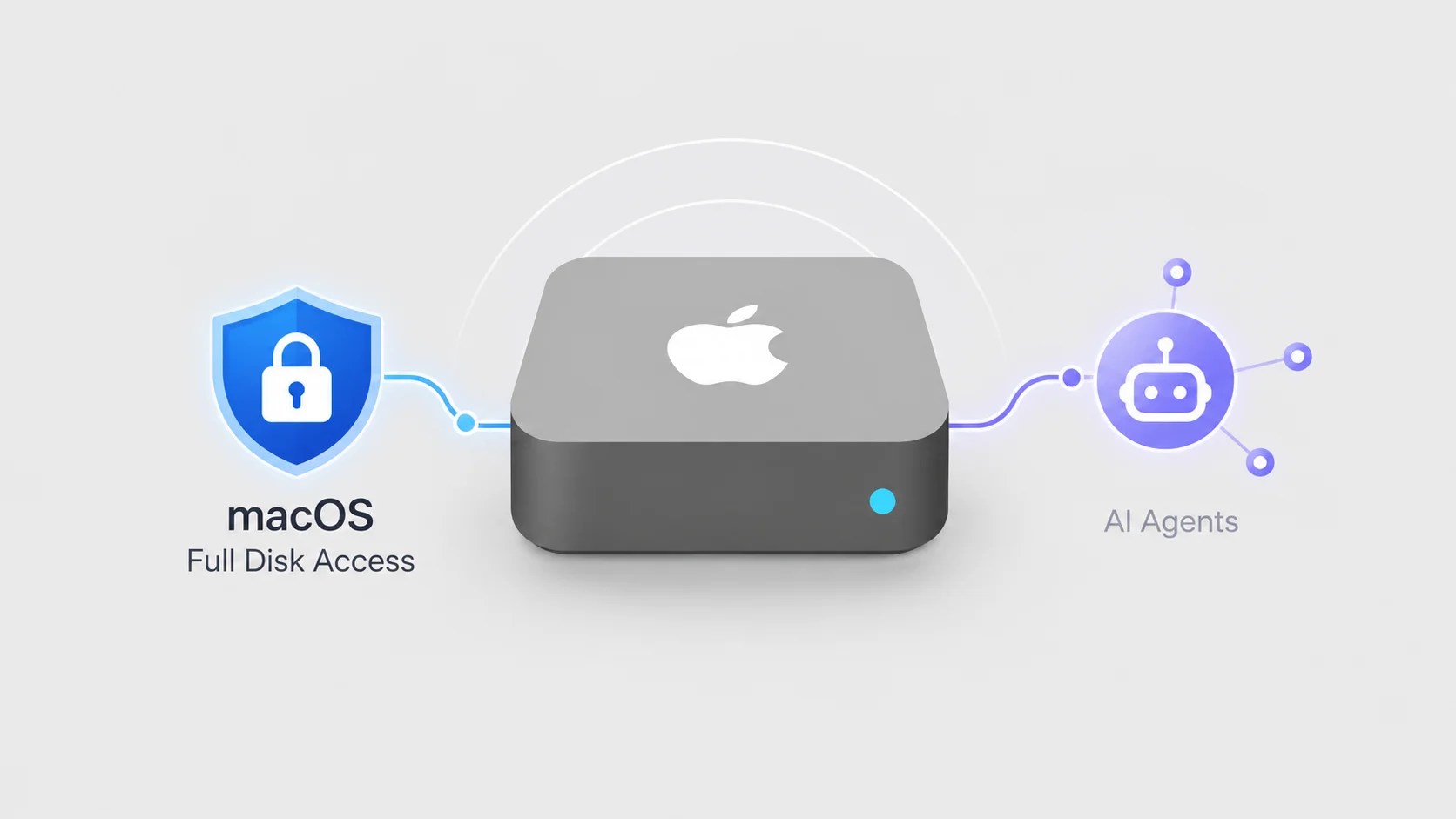
Apple is set to implement stricter regulations on macOS Full Disk Access permissions due to the rising capabilities of AI agents. The tech giant has expressed concerns that these permissions could potentially expose users’ sensitive information, prompting a need for more deliberate user actions before granting such access.
Understanding Full Disk Access
Initially, Full Disk Access was designed to support reliable Mac utilities, like backup programs, to bypass standard privacy restrictions when necessary. This permission allows apps to access files across the Mac, including data from Mail, Messages, Safari, and other critical system settings.
Apple’s existing protocols already view Full Disk Access as a high-risk feature, requiring manual user intervention through the macOS Privacy & Security settings. Despite this, some developers have been using these permissions in ways that might leave users unaware of the extent of data visibility.
AI Agents and Increased Privacy Risks
The proliferation of AI agents has intensified the potential risks associated with Full Disk Access. Unlike typical applications with singular functions, AI agents can gather and process information from multiple sources, potentially granting them expansive insights into personal and business data.
This broad access could expose sensitive information, such as emails, private messages, and browsing histories, not only of the users but also involving other parties in communication exchanges. As AI tools evolve, the associated risks are expected to escalate significantly.
Future Outlook and User Recommendations
While Apple has not disclosed the specific design or release timeline for these enhanced controls, its direction indicates a move towards a more transparent permission process. The aim is to ensure users fully comprehend the extent of data access before enabling Full Disk Access permissions.
For Mac users, a proactive step involves reviewing the current applications with Full Disk Access permissions. This can be done by navigating to System Settings, selecting Privacy & Security, and then Full Disk Access. It is advisable to revoke permissions for applications that are obsolete or lack a justified need for extensive data access.
The planned update by Apple comes amidst broader concerns about vulnerabilities in macOS Transparency, Consent, and Control (TCC) protections. Recent reports have highlighted potential bypasses and the increasing danger of AI-driven ransomware attacks. Apple’s initiative underscores the necessity of robust permission frameworks as AI technology continues to integrate deeper into user devices.