
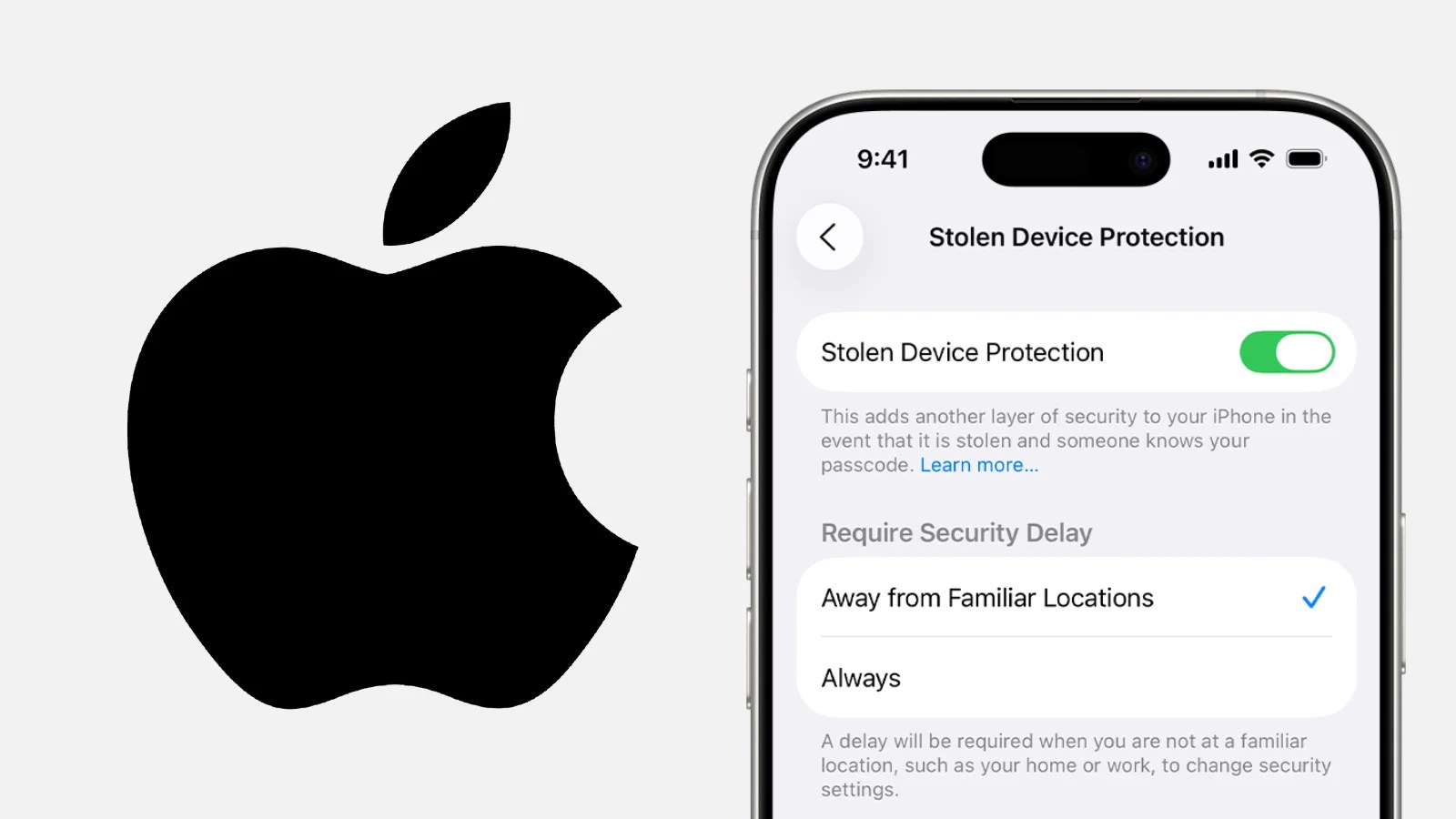
Apple is reportedly working on a new security feature for iPhones aimed at automatically locking the device during a theft attempt, enhancing the existing security measures significantly. This feature, which is currently being developed, addresses a critical gap in mobile security by preventing unauthorized access when the phone is stolen.
New Security Feature Details
This upcoming feature was uncovered by 9to5Mac developers while examining Apple’s source code. It is said to function similarly to Android’s Theft Detection Lock. The system is designed to automatically lock an iPhone once it confirms that the device has been snatched, thus preventing thieves from accessing an unlocked screen.
The detection mechanism relies on a combination of signals. These include accelerometer data to detect sudden movements, proximity to an Apple Watch to gauge abnormal distances, familiar Wi-Fi networks to identify trusted connections, and known locations such as home or workplace using geofencing logic.
Advanced Detection Mechanism
If the system identifies that the iPhone has been taken to an unfamiliar location by someone unknown, it will enforce restrictions similar to those found in Stolen Device Protection, effectively locking the device. This will prevent any changes to Apple ID credentials, passwords, and other sensitive settings from being made.
Currently, Apple’s anti-theft measures include Stolen Device Protection and Find My, which are activated post-theft. Stolen Device Protection introduces security delays for Apple ID changes, but a thief can still exploit an unlocked device before these measures take effect. The new feature aims to eliminate this vulnerability by locking the device immediately upon theft detection.
Comparison with Android’s Theft Detection
Google’s Android 10 introduced a similar Theft Detection Lock using AI and motion sensors to lock a device during theft. Apple’s version, however, integrates additional signals like the distance from an Apple Watch, potentially enhancing accuracy and reducing false positives during activities like jogging or cycling.
The combination of accelerometer data, wearable proximity, network familiarity, and location context provides a robust, multi-layered detection system. This could potentially outperform simpler, single-signal methods.
Although Apple has not officially confirmed this feature or its release timeline, the ongoing development suggests it may be included in a future iOS update along with other security improvements. As phone snatching becomes increasingly common in urban areas globally, demand for such a feature is evident.
In the meantime, users can enhance their iPhone’s security by activating Stolen Device Protection through Settings > Face ID & Passcode > Stolen Device Protection and ensuring that Find My iPhone is enabled.





.webp?ssl=1 "Lazarus Group’s Mach-O Man Malware Targets macOS Users")