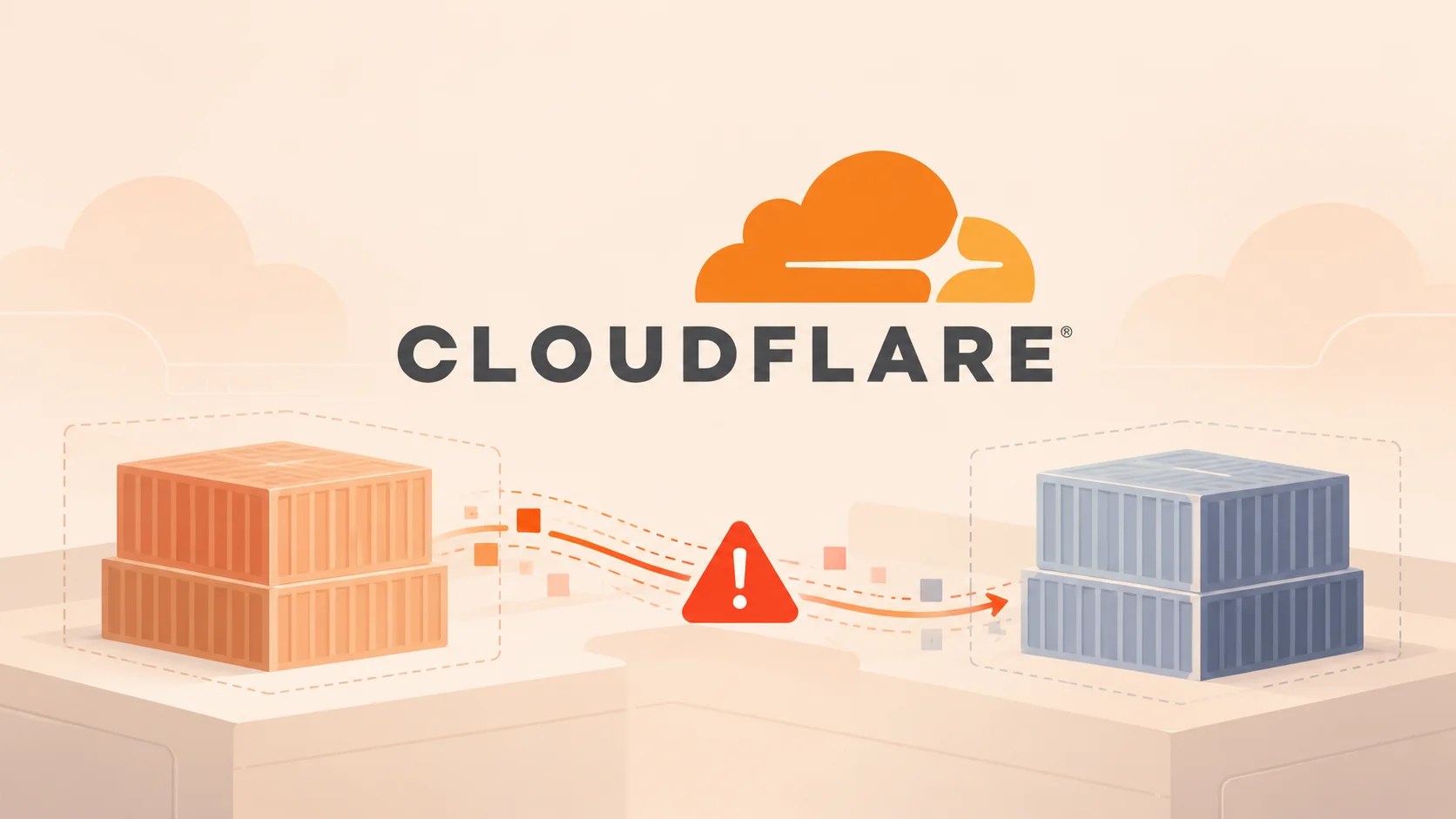
Cloudflare has recently addressed a critical cross-tenant data leak vulnerability within its Containers platform, which is part of its extensive cloud computing infrastructure. This flaw could have potentially allowed one tenant’s workload to access leftover disk data from another tenant on the same physical server.
Details of the Vulnerability
The issue also impacted Cloudflare Sandboxes, which rely on the Containers platform. However, Cloudflare reported no signs of unauthorized exploitation or customer data breaches based on their telemetry data. The vulnerability was responsibly disclosed by Oren Yomtov, a security researcher from Accomplish, on September 4, 2026, through Cloudflare’s HackerOne bug bounty program.
Exploiting this vulnerability required a Workers Paid account. Due to Cloudflare’s automatic workload placement, an attacker couldn’t select a specific victim, host, workload, or data to target. Despite these limitations, the vulnerability breached a crucial tenant-isolation boundary within shared cloud infrastructure.
Technical Insights and Exploitation
The vulnerability was linked to the storage layer, not a typical container or virtual machine escape. Cloudflare uses Firecracker microVMs to run each Container and exposes the writable root disk as /dev/vdc. The Linux device mapper thin provisioning (dm-thin) allocated physical storage in 64 KiB blocks only when the virtual disk wrote to unmapped regions.
Cloudflare’s shared storage pools had enabled the skip_block_zeroing option, which meant that when a container disk was deleted, its physical blocks were returned to a pool accessible by multiple customers. Since new allocations were not cleared, a recycled block could still contain data from its previous owner until overwritten.
Researchers exploited this by identifying free space aligned with 64 KiB in the ext4 filesystem of a guest and writing only 4 KiB into each region. This action prompted dm-thin to allocate a recycled 64 KiB block but replaced only 4 KiB. Subsequent reads could reveal remaining data in the untouched 60 KiB, potentially exposing sensitive information.
Cloudflare’s Remediation and Future Outlook
Cloudflare responded by removing the skip_block_zeroing option across its Containers, reverting to the default behavior of clearing newly allocated blocks. Additionally, they retired existing container disks, drained hosts, restarted virtual machines, and cleared image caches, effectively halting the proof of concept as confirmed by researchers.
To enhance detection, Cloudflare developed signatures to identify the unusual disk-I/O pattern associated with the attack. A historical review showed activity only related to the researchers and Cloudflare’s validation efforts. The remediation did not require any customer configuration changes, but organizations are advised to review their security policies and consider rotating secrets handled by affected workloads.
Cloudflare’s swift actions have reinforced their platform’s security and ensured tenant data isolation, maintaining trust in their cloud services. Stakeholders are encouraged to stay informed on security best practices to protect their data in shared environments.