Skip to content
  • Home
  • Cyber Map
  • About Us – Contact
  • Disclaimer
  • Terms and Rules
  • Privacy Policy
Cyber Web Spider Blog – News

Cyber Web Spider Blog – News

Globe Threat Map provides a real-time, interactive 3D visualization of global cyber threats. Monitor DDoS attacks, malware, and hacking attempts with geo-located arcs on a rotating globe. Stay informed with live logs and archive stats.

  • Home
  • Cyber Map
  • Cyber Security News
  • Security Week News
  • The Hacker News
  • How To?
  • Toggle search form
Critical Flaw in React Server Components Puts Next.js Servers at Risk

Critical Flaw in React Server Components Puts Next.js Servers at Risk

Posted on October 9, 2026 By CWS

A significant vulnerability identified as CVE-2026-23870 in React Server Components poses a serious threat to Next.js servers. This denial-of-service flaw can be exploited by remote attackers who send a crafted POST request to a Server Function endpoint, potentially freezing the server. The flaw, with a CVSS score of 7.5, affects React 19.x applications, particularly those using Server Actions in Next.js environments.

Root Cause and Exploitation

The vulnerability arises from React’s method of processing form data before executing Server Actions. Attackers can exploit this by causing repetitive checks that consume CPU resources, ultimately preventing the server from responding to legitimate users. The flaw is inherent in the way React rebuilds form data, specifically in handling $K references within submitted fields, leading to extensive and costly comparisons.

For instance, a POST request containing 10,000 references and form fields can result in approximately 100 million string comparisons, significantly burdening the server. This issue, demonstrated by researcher Simon Koeck, can be triggered with requests as small as 900 KB, emphasizing the processing rather than the size as the vulnerability’s concern.

Impact on Next.js Deployments

Next.js implementations, particularly those running on Node.js, are vulnerable due to CPU-intensive synchronous processing that can block the event loop. As the server processes attacker-controlled form fields, it may fail to handle other incoming requests, resulting in slow responses or HTTP 503 errors for legitimate users. Such incidents could cause applications to be marked unhealthy, leading to their removal from service.

This vulnerability is critical as it affects the request parsing phase, preceding any Server Action logic, making it difficult for existing security measures to mitigate the risk. Publicly accessible Server Actions are particularly at risk, although authenticated applications are not immune if accessible endpoints are compromised.

Mitigation Measures and Recommendations

React has addressed this flaw in versions 19.0.6, 19.1.7, and 19.2.6. Organizations must upgrade to these versions promptly to secure their systems. Developers should verify dependencies to ensure no vulnerable React server-dom packages are included. The update involves a change in the form-data processing path, reducing repeated scans and CPU load.

Aside from upgrading, teams should implement edge and reverse-proxy controls, such as POST body-size limits and request-rate controls, to mitigate potential attacks. Yet, patching the React framework remains crucial due to the underlying issue in its request-processing logic.

Administrators should also watch for abnormal POST activity on pages with Server Actions, which might indicate an attack. Monitoring for spikes in CPU usage, request queues, and health-check failures can help identify and respond to potential threats swiftly.

By addressing this vulnerability through timely updates and robust security measures, organizations can protect their Next.js deployments from potential denial-of-service attacks.


Cyber Security News Tags:Attack, CVE-2026-23870, Cybersecurity, denial of service, form-data, Next.js, Node.js, Patch, React, resource exhaustion, server actions, server security, software update, Upgrade, Vulnerability

Post navigation

Previous Post: Android Devices with Preinstalled Malware Threaten Users Globally
Next Post: Hackers Break Into Google Pixel 10 at Pwn2Own Contest

Related Posts

10 Best Data Loss Prevention Software in 2025 10 Best Data Loss Prevention Software in 2025 Cyber Security News
Microsoft IKE Vulnerability Exploited in Cyber Attacks Microsoft IKE Vulnerability Exploited in Cyber Attacks Cyber Security News
Qilin Ransomware Exploits RDP History for Network Infiltration Qilin Ransomware Exploits RDP History for Network Infiltration Cyber Security News
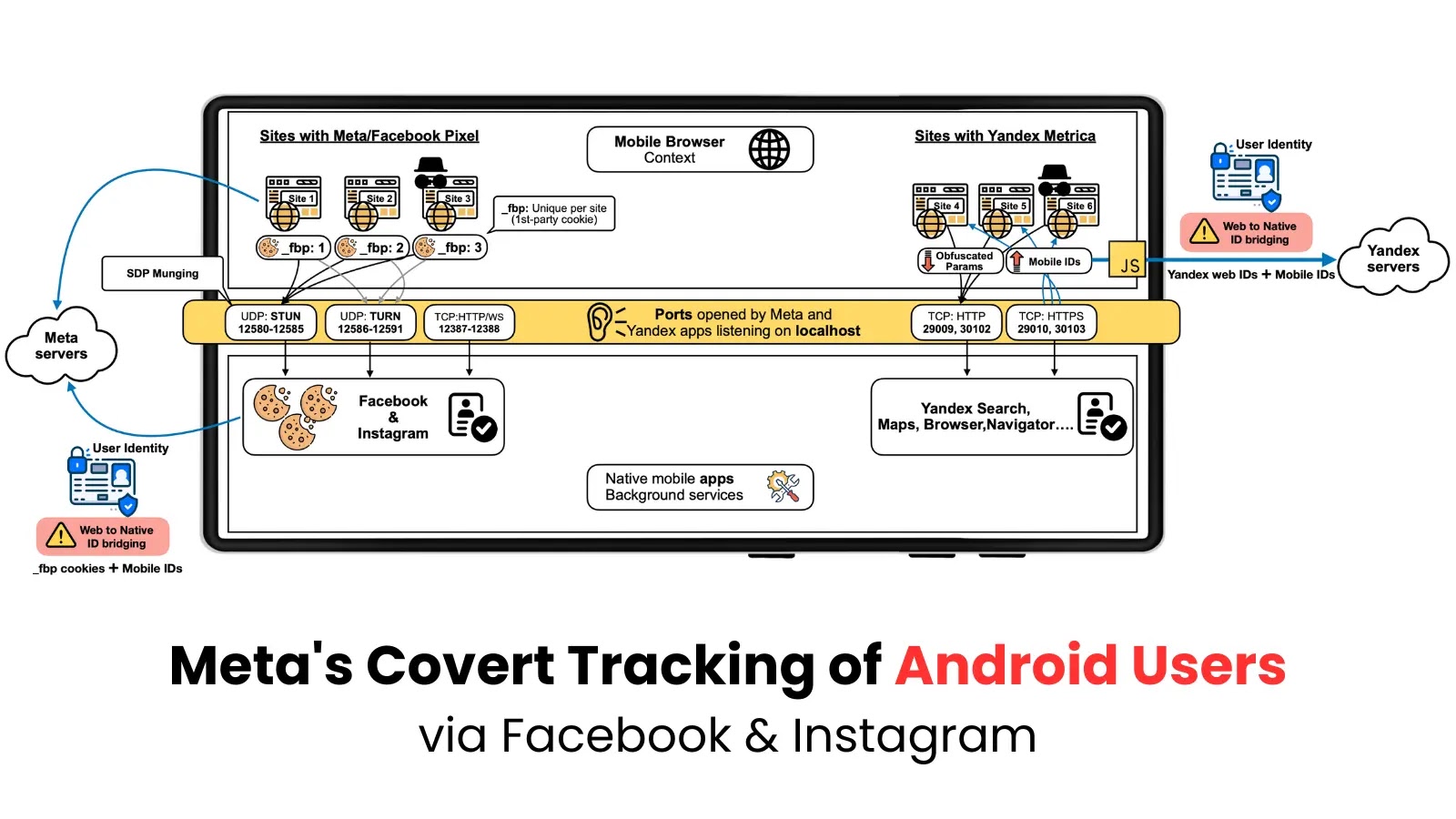
Meta Found a New Way to Track Android Users Covertly via Facebook & Instagram Meta Found a New Way to Track Android Users Covertly via Facebook & Instagram Cyber Security News
DoJ Seizes .8 Million in Crypto From Zeppelin Ransomware Operators DoJ Seizes $2.8 Million in Crypto From Zeppelin Ransomware Operators Cyber Security News
UNC5518 Group Hacks Legitimate Websites to Inject Fake Captcha That Tricks Users to Execute Malware UNC5518 Group Hacks Legitimate Websites to Inject Fake Captcha That Tricks Users to Execute Malware Cyber Security News

Categories

  • Cyber Security News
  • How To?
  • Security Week News
  • The Hacker News

Recent Posts

  • AhsayCBS Flaws Actively Exploited, Urgent Action Needed
  • Hackers Break Into Google Pixel 10 at Pwn2Own Contest
  • Critical Flaw in React Server Components Puts Next.js Servers at Risk
  • Android Devices with Preinstalled Malware Threaten Users Globally
  • GoBalance Bug Puts Dark Web Sites at Risk of Hijacking

Pages

  • About Us – Contact
  • Disclaimer
  • Privacy Policy
  • Terms and Rules

Archives

  • October 2026
  • September 2026
  • August 2026
  • July 2026
  • June 2026
  • May 2026
  • April 2026
  • March 2026
  • February 2026
  • January 2026
  • December 2025
  • November 2025
  • October 2025
  • September 2025
  • August 2025
  • July 2025
  • June 2025
  • May 2025

Recent Posts

  • AhsayCBS Flaws Actively Exploited, Urgent Action Needed
  • Hackers Break Into Google Pixel 10 at Pwn2Own Contest
  • Critical Flaw in React Server Components Puts Next.js Servers at Risk
  • Android Devices with Preinstalled Malware Threaten Users Globally
  • GoBalance Bug Puts Dark Web Sites at Risk of Hijacking

Pages

  • About Us – Contact
  • Disclaimer
  • Privacy Policy
  • Terms and Rules

Categories

  • Cyber Security News
  • How To?
  • Security Week News
  • The Hacker News

Copyright © 2026 Cyber Web Spider Blog – News.

Powered by PressBook Masonry Dark