Skip to content
  • Home
  • Cyber Map
  • About Us – Contact
  • Disclaimer
  • Terms and Rules
  • Privacy Policy
Cyber Web Spider Blog – News

Cyber Web Spider Blog – News

Globe Threat Map provides a real-time, interactive 3D visualization of global cyber threats. Monitor DDoS attacks, malware, and hacking attempts with geo-located arcs on a rotating globe. Stay informed with live logs and archive stats.

  • Home
  • Cyber Map
  • Cyber Security News
  • Security Week News
  • The Hacker News
  • How To?
  • Toggle search form
Critical RCE Vulnerabilities Found in Cursor IDE

Critical RCE Vulnerabilities Found in Cursor IDE

Posted on July 1, 2026 By CWS

Recent findings have revealed two critical remote code execution (RCE) vulnerabilities within Cursor IDE, an AI-driven development environment widely adopted by over half of the Fortune 500 companies. These significant security flaws were uncovered by Cato AI Labs, highlighting potential risks for many leading businesses.

Details of the Vulnerabilities

Cato AI Labs identified the flaws, named ‘DuneSlide,’ which have been assigned the CVE identifiers CVE-2026-50548 and CVE-2026-50549, each carrying a severe CVSS score of 9.8. These vulnerabilities enable attackers to bypass Cursor’s sandboxing features entirely, posing a substantial security threat.

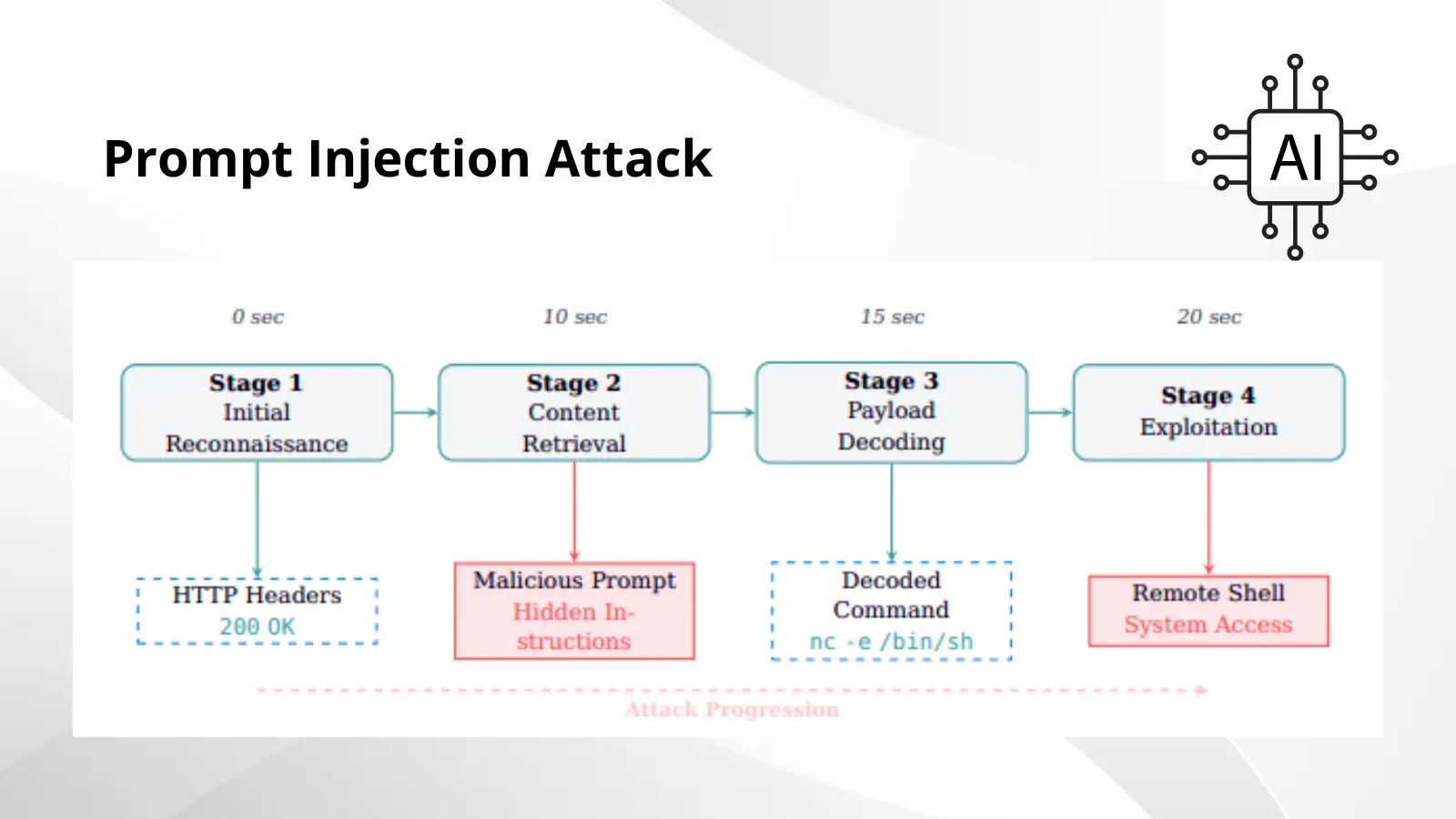
The vulnerabilities indicate that prompt injection attacks are not limited to altering the outputs of large language models (LLMs) but can also penetrate traditional code execution paths, previously not considered part of the attack surface.

Implications of Exploitation

If exploited, these vulnerabilities allow attackers to overwrite essential system files, such as the cursorsandbox binary. This action transforms previously sandboxed terminal commands into fully unsandboxed RCE, endangering both local systems and connected SaaS environments.

Remarkably, these vulnerabilities can be triggered without requiring any user privileges or interaction. A mere issuance of a seemingly harmless prompt that unintentionally incorporates content from an unreliable source, like an MCP server response or a compromised web search result, is sufficient.

Individual Vulnerability Analysis

Vulnerability CVE-2026-50548 arises from the manner in which Cursor’s sandbox permits write access to a command’s working directory. This flaw allows attackers, via prompt injection, to redirect the working directory to a path outside the project root, thus breaching security constraints.

CVE-2026-50549 involves a flaw in Cursor’s path resolution logic. It allows prompt injection to create symlinks leading to external files, which, if unchecked, can bypass write restrictions and enable privileged RCE activities without user interaction.

These findings emphasize that mere sandboxing cannot secure autonomous coding agents when parameter validation is inadequate. Cato AI Labs is pushing for systemic, architecture-level solutions rather than isolated patches to secure AI-based development tools.

The discoveries by Cato AI Labs underscore the critical need for enhanced security measures in AI-powered development environments. As such vulnerabilities continue to surface, securing these tools is paramount to maintaining safe operational environments for businesses worldwide.


Cyber Security News Tags:AI development tools, Cato AI Labs, Cursor IDE, CVE-2026-50548, CVE-2026-50549, CVSS, Cybersecurity, Fortune 500, prompt injection, RCE vulnerabilities, sandbox escape, symlink bypass, zero-click

Post navigation

Previous Post: Ousaban Trojan Targets Iberian Banks with PDF Traps
Next Post: Adobe Tackles Major Security Flaws in ColdFusion and Campaign

Related Posts

Critical Convoy Vulnerability Let Attackers Execute Remote Code on Affected Servers Critical Convoy Vulnerability Let Attackers Execute Remote Code on Affected Servers Cyber Security News
Microsoft Confirms Recent Updates Cause Login Issues on Windows 11 24H2, 25H2, and Windows Server 2025 Microsoft Confirms Recent Updates Cause Login Issues on Windows 11 24H2, 25H2, and Windows Server 2025 Cyber Security News
Critical DNN Platform Vulnerability Let Attackers Execute Malicious Scripts Critical DNN Platform Vulnerability Let Attackers Execute Malicious Scripts Cyber Security News
NVIDIA NSIGHT Graphics for Linux Vulnerability Allows Code Execution Attacks NVIDIA NSIGHT Graphics for Linux Vulnerability Allows Code Execution Attacks Cyber Security News
CISA Warns of Apple WebKit Vulnerability 0-Day Vulnerability Exploited in Attacks CISA Warns of Apple WebKit Vulnerability 0-Day Vulnerability Exploited in Attacks Cyber Security News
Salesforce Issues Alert on ShinyHunters Threat to Experience Cloud Salesforce Issues Alert on ShinyHunters Threat to Experience Cloud Cyber Security News

Categories

  • Cyber Security News
  • How To?
  • Security Week News
  • The Hacker News

Recent Posts

  • Severe Bugs in AI Code Editor Risk System Intrusion
  • India Suspends WhatsApp Usernames Over Security Issues
  • Adobe Tackles Major Security Flaws in ColdFusion and Campaign
  • Critical RCE Vulnerabilities Found in Cursor IDE
  • Ousaban Trojan Targets Iberian Banks with PDF Traps

Pages

  • About Us – Contact
  • Disclaimer
  • Privacy Policy
  • Terms and Rules

Archives

  • July 2026
  • June 2026
  • May 2026
  • April 2026
  • March 2026
  • February 2026
  • January 2026
  • December 2025
  • November 2025
  • October 2025
  • September 2025
  • August 2025
  • July 2025
  • June 2025
  • May 2025

Recent Posts

  • Severe Bugs in AI Code Editor Risk System Intrusion
  • India Suspends WhatsApp Usernames Over Security Issues
  • Adobe Tackles Major Security Flaws in ColdFusion and Campaign
  • Critical RCE Vulnerabilities Found in Cursor IDE
  • Ousaban Trojan Targets Iberian Banks with PDF Traps

Pages

  • About Us – Contact
  • Disclaimer
  • Privacy Policy
  • Terms and Rules

Categories

  • Cyber Security News
  • How To?
  • Security Week News
  • The Hacker News

Copyright © 2026 Cyber Web Spider Blog – News.

Powered by PressBook Masonry Dark