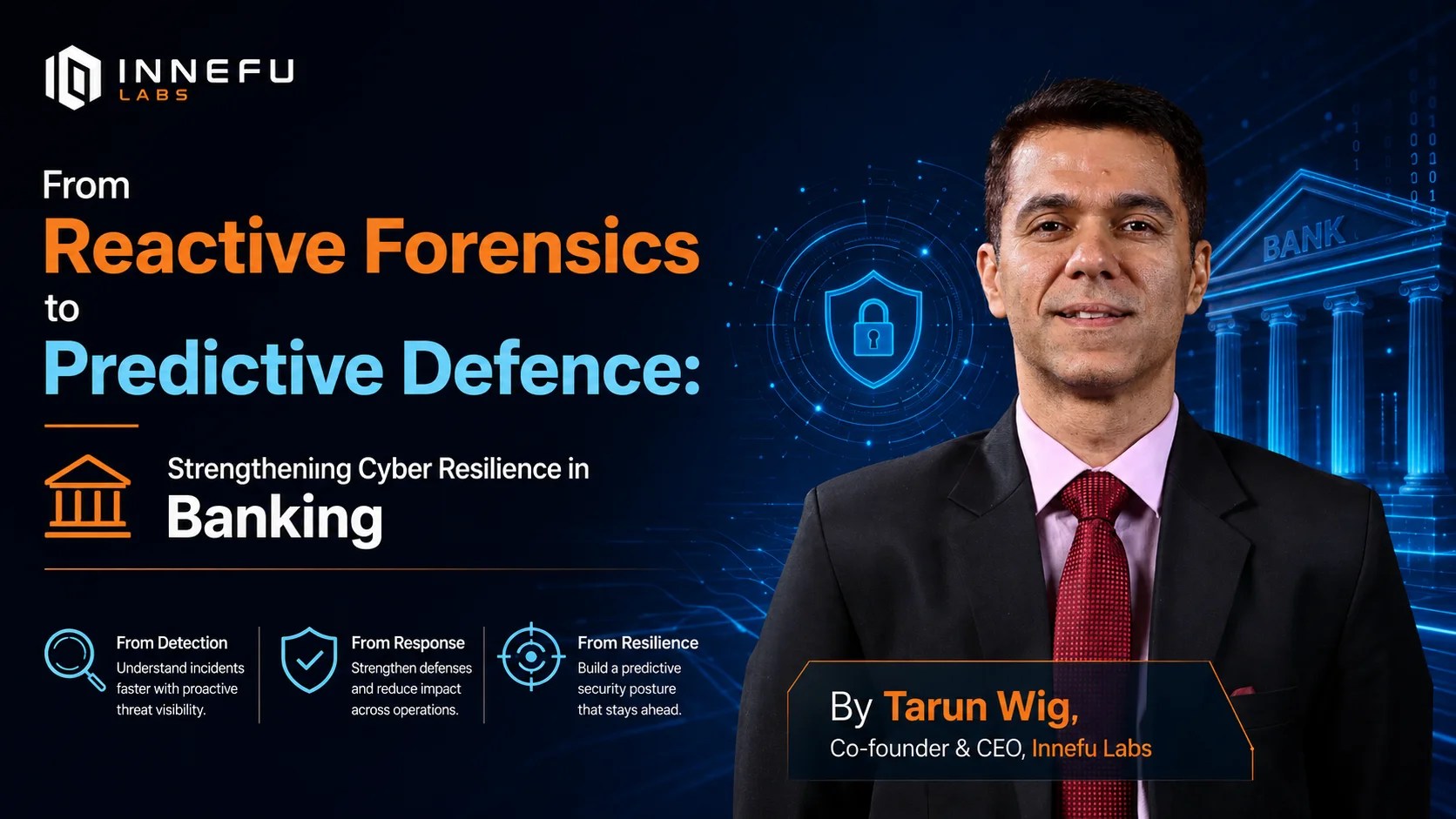
In the fast-paced world of banking, ensuring cybersecurity remains a top priority. Despite comprehensive safety measures and certifications, Indian banks often discover compromises through customer complaints or external alerts, long after the breach has occurred. This delay in detection is where significant damage often happens, and closing this gap is crucial for maintaining trust and security.
Why Financial Institutions Are Prime Targets
Banks are frequently targeted by cyber attackers due to the immediate financial rewards. Unlike breaches in other sectors, where data needs to be monetized through selling or ransom, bank breaches can lead directly to financial gain through fraud or account takeover. The complex technology infrastructure of many banks, combining outdated systems with modern applications, presents numerous vulnerabilities for cybercriminals to exploit.
These vulnerabilities are exacerbated by the extensive networks of fintech partners and API integrations, which were not designed to handle today’s sophisticated threats. Attackers may not need to breach the vault; often, finding a weak point in the system, such as a poorly secured API or an employee with a reused password, is sufficient.
The Distinction Between Detection, Intelligence, and Prediction
In cybersecurity, understanding the differences between detection, intelligence, and prediction is critical. Threat detection involves identifying incidents after they occur, while threat intelligence involves understanding potential attackers and their methods. Predictive intelligence goes further by analyzing large data sets to foresee potential threats before they manifest, allowing for proactive measures.
Predictive strategies enable banks to identify and respond to early warning signs of a breach, such as unusual account activity or unexpected access attempts. This proactive approach helps mitigate risks and enhances overall security posture.
The Role of AI in Cybersecurity
Artificial Intelligence (AI) plays a significant role in managing the vast amounts of data generated by banks daily. While AI excels in identifying patterns and anomalies across large data volumes, it should not be solely relied upon for decision-making. The potential for false positives means that human oversight remains essential, particularly when financial and reputational stakes are high.
AI’s real value lies in triaging and prioritizing alerts, allowing human analysts to focus on high-impact decisions. Integrating AI with human judgment creates a balanced approach to managing cybersecurity threats.
Ensuring Effective Incident Response
Effective incident response requires clear coordination among various teams within a bank, including security operations, fraud prevention, legal, and leadership. Regular simulations and predefined playbooks for common scenarios ensure that everyone knows their role during an incident. This preparation helps banks respond swiftly and effectively, minimizing damage.
Ultimately, the banks that will succeed in the coming years are those that take early warning signals seriously, maintain human involvement in critical decisions, and have well-established protocols for incident management. Developing a culture of readiness and resilience is key to navigating the evolving landscape of cyber threats.