Skip to content
  • Home
  • Cyber Map
  • About Us – Contact
  • Disclaimer
  • Terms and Rules
  • Privacy Policy
Cyber Web Spider Blog – News

Cyber Web Spider Blog – News

Globe Threat Map provides a real-time, interactive 3D visualization of global cyber threats. Monitor DDoS attacks, malware, and hacking attempts with geo-located arcs on a rotating globe. Stay informed with live logs and archive stats.

  • Home
  • Cyber Map
  • Cyber Security News
  • Security Week News
  • The Hacker News
  • How To?
  • Toggle search form
Lotus Wiper Malware Targets Energy Sector with Destructive Attack

Lotus Wiper Malware Targets Energy Sector with Destructive Attack

Posted on April 22, 2026 By CWS

A sophisticated new malware called Lotus Wiper has been deployed in a devastating cyberattack aimed at Venezuela’s energy and utilities sector. Unlike typical ransomware that demands payment, this malware is designed to irreversibly erase data and render systems unusable.

Geopolitical Context and Attack Discovery

The attack emerged amid escalating geopolitical tensions in the Caribbean region during late 2025 and early 2026. Evidence of the malware surfaced when artifacts were discovered on a public platform from a Venezuelan system in December 2025. The malware had been developed as early as September 2025, indicating a prolonged period of preparation by the attackers.

Security experts at Securelist identified the malware during routine analysis, noting that it targeted organizations within the energy and utilities sector. The absence of any ransom demands confirmed that the attack was purely destructive, with no financial motives.

Mechanics of the Destructive Attack

The Lotus Wiper malware is believed to be highly targeted and driven by geopolitical motives. It systematically destroys recovery options, overwrites drives, and deletes files across impacted systems. The malware disguises itself as legitimate HCL Domino application components, such as nstats.exe and nevent.exe, suggesting attackers had prior access to the victim’s systems.

The attack initiates through a batch script named OhSyncNow.bat, which disables certain Windows services and launches further destructive commands. The script checks for a remote file that triggers the malware’s activation, leading to system-wide data erasure and disabling of user accounts.

Protective Measures and Conclusion

Organizations in the energy sector are advised to enhance their cybersecurity measures to mitigate such threats. Regular audits of permissions, monitoring of file activities, and reviewing security logs are crucial steps. Additionally, securing backup systems and testing data recovery procedures are essential to ensure resilience against destructive attacks.

This incident underscores the critical need for robust cybersecurity protocols within the energy sector to protect against increasingly sophisticated threats. As geopolitical tensions continue to rise, the importance of vigilance and preparedness cannot be overstated.

Stay updated on cybersecurity news by following us on Google News, LinkedIn, and X. Set CSN as your preferred source for the latest updates.


Cyber Security News Tags:Batch Scripts, cyber attack, Cybersecurity, data destruction, data recovery, energy sector, geopolitical tensions, HCL Domino, Lotus Wiper, Malware, network security, security threat, system compromise, utilities sector, Venezuela

Post navigation

Previous Post: Malware Campaign Utilizes Fake GitHub Repositories
Next Post: Microsoft Unveils Threat from North Korean IT Imposters

Related Posts

Hackers Attacking Palo Alto Networks’ GlobalProtect VPN Portals with 2.3 Million Attacks Hackers Attacking Palo Alto Networks’ GlobalProtect VPN Portals with 2.3 Million Attacks Cyber Security News
Google Integrating Gemini With Gmail With New features Google Integrating Gemini With Gmail With New features Cyber Security News
UNG0002 Actors Deploys Weaponize LNK Files Using ClickFix Fake CAPTCHA Verification Pages UNG0002 Actors Deploys Weaponize LNK Files Using ClickFix Fake CAPTCHA Verification Pages Cyber Security News
OpenAI Atlas Browser Vulnerability Allows Malicious Code Injection into ChatGPT OpenAI Atlas Browser Vulnerability Allows Malicious Code Injection into ChatGPT Cyber Security News
GitHub Attack Chain Targets Repositories with Fake CI Updates GitHub Attack Chain Targets Repositories with Fake CI Updates Cyber Security News
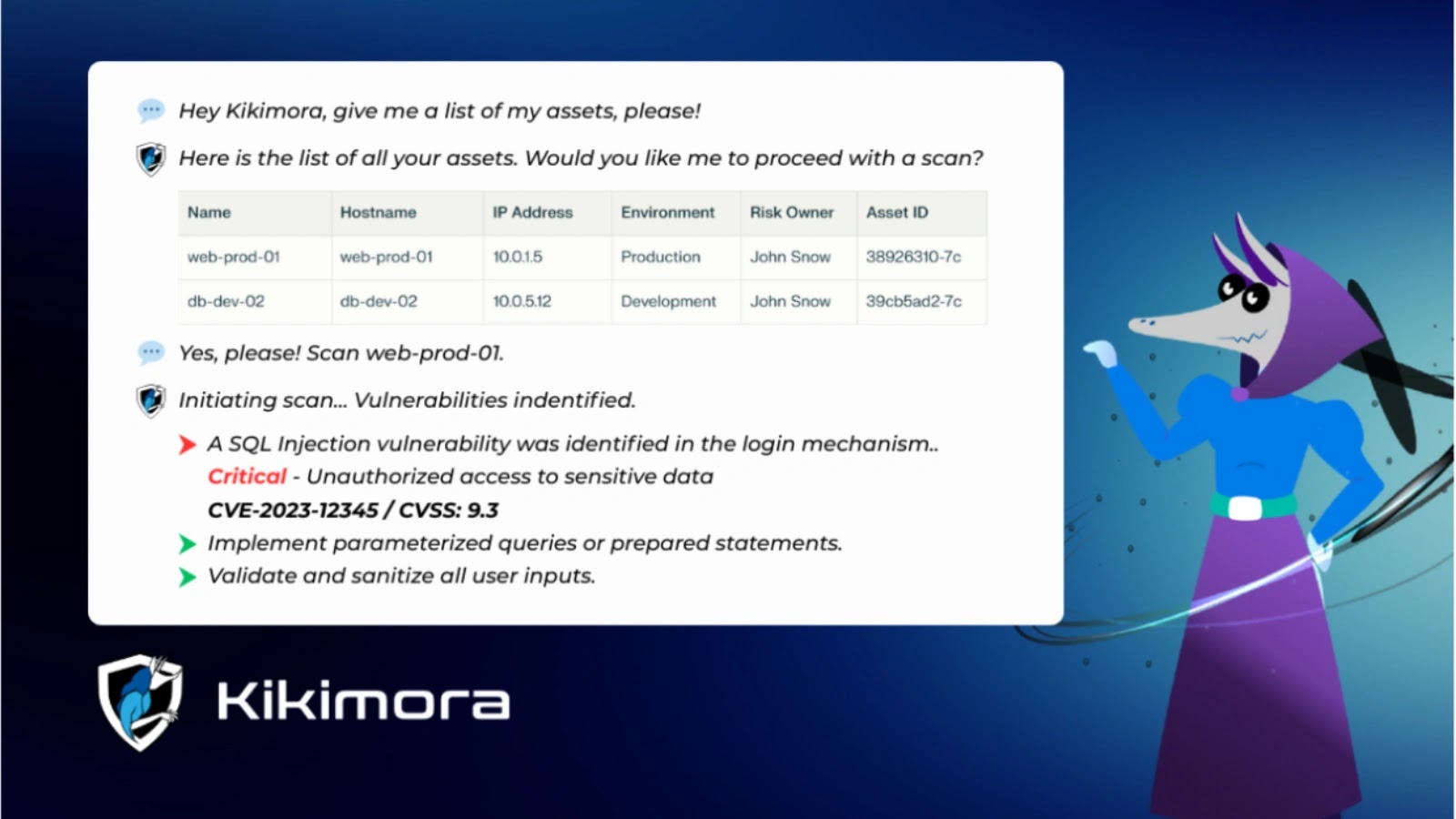
Accessible AI-Powered Cybersecurity Platform for SME Security Accessible AI-Powered Cybersecurity Platform for SME Security Cyber Security News

Categories

  • Cyber Security News
  • How To?
  • Security Week News
  • The Hacker News

Recent Posts

  • Gentlemen Ransomware Targets Windows Security Systems
  • Belarus Hackers Penetrate Russian Healthcare for Two Years
  • AI-Driven Browsers Enable Cybercriminals to Mask Identities
  • U.S. Bans DeepSeek from Federal IT Systems, Prohibits New Purchases
  • Node.js Updates Address Crucial TLS and DNS Vulnerabilities

Pages

  • About Us – Contact
  • Disclaimer
  • Privacy Policy
  • Terms and Rules

Archives

  • October 2026
  • September 2026
  • August 2026
  • July 2026
  • June 2026
  • May 2026
  • April 2026
  • March 2026
  • February 2026
  • January 2026
  • December 2025
  • November 2025
  • October 2025
  • September 2025
  • August 2025
  • July 2025
  • June 2025
  • May 2025

Recent Posts

  • Gentlemen Ransomware Targets Windows Security Systems
  • Belarus Hackers Penetrate Russian Healthcare for Two Years
  • AI-Driven Browsers Enable Cybercriminals to Mask Identities
  • U.S. Bans DeepSeek from Federal IT Systems, Prohibits New Purchases
  • Node.js Updates Address Crucial TLS and DNS Vulnerabilities

Pages

  • About Us – Contact
  • Disclaimer
  • Privacy Policy
  • Terms and Rules

Categories

  • Cyber Security News
  • How To?
  • Security Week News
  • The Hacker News

Copyright © 2026 Cyber Web Spider Blog – News.

Powered by PressBook Masonry Dark