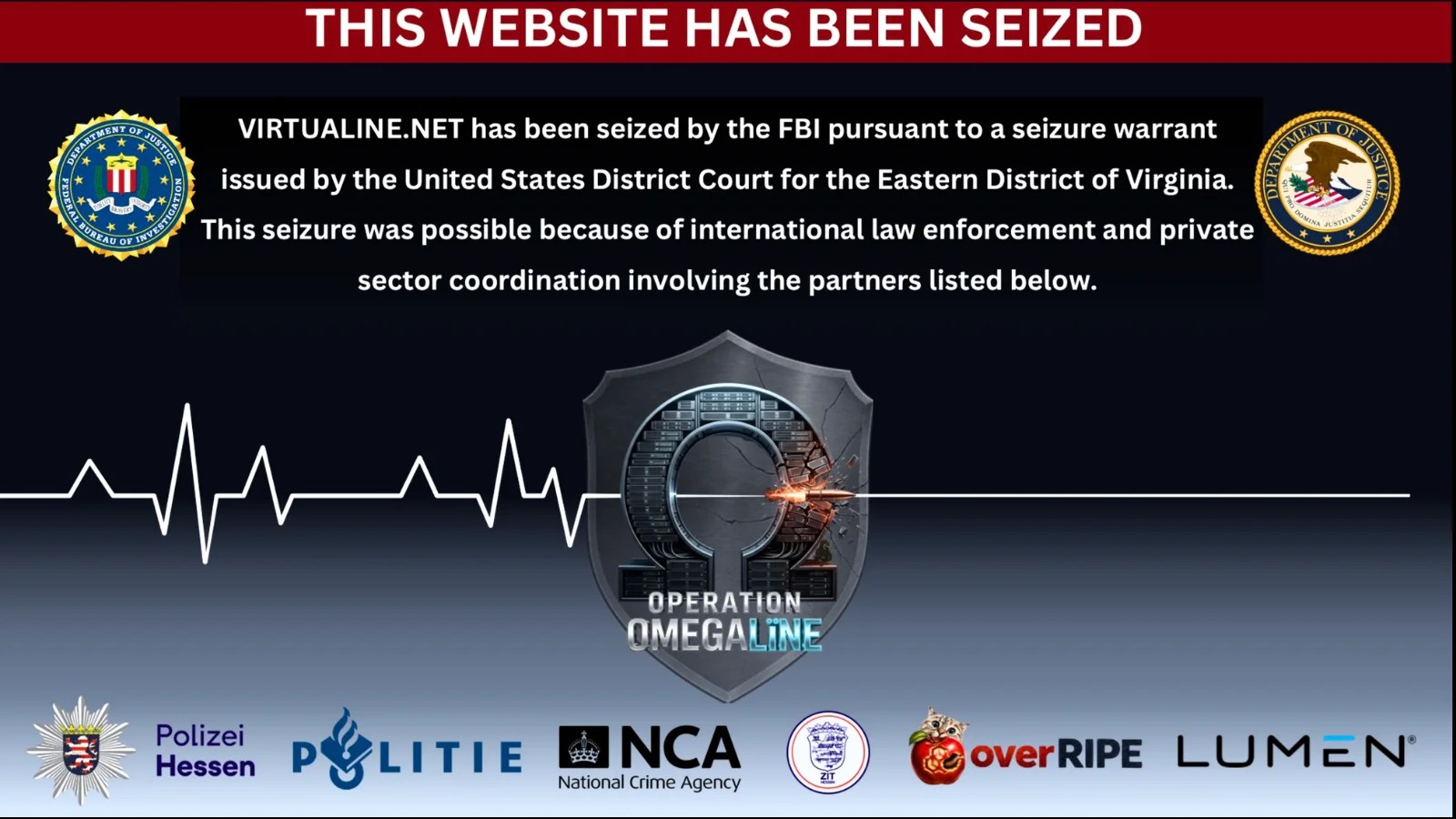
The FBI has seized the domain of virtualine.net, a hosting service provider allegedly involved in supporting various forms of cybercrime, including ransomware and stolen-data marketplaces. This action, announced on October 27, 2026, was authorized by a court order and aimed at disrupting a business accused of facilitating criminal activities by keeping illicit websites operational and concealing payments.
Background of Virtualine’s Operations
According to the U.S. Department of Justice, Virtualine also conducted business under several aliases such as Secury, Massgod, Spamhouse, Lanedo, and Omegatech. The company offered services like hosting, server rentals, and domain registration, actively seeking clients through cybercrime forums. Investigators have connected these services to the distribution of child sexual abuse material, unauthorized sharing of intimate images, and global money laundering operations.
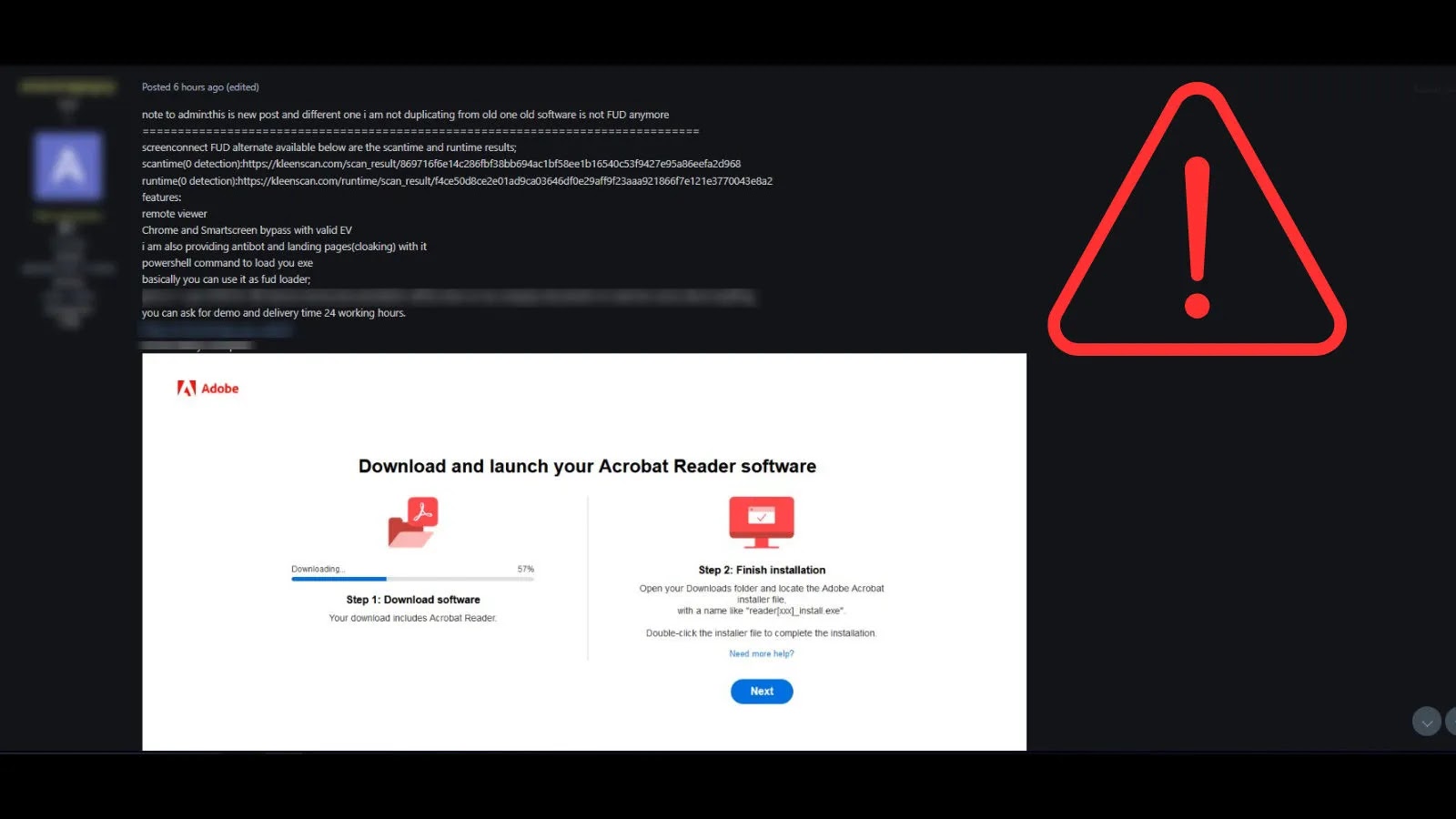
Virtualine’s marketing strategy highlighted its readiness to support illegal activities. In a 2024 exchange on a cybercrime forum, the company assured users they could engage in phishing, credit card fraud, spam, and other unlawful acts, excluding child abuse and terrorism. By 2026, Virtualine was promoting a protective service that relocated clients’ criminal setups to shell companies to evade law enforcement actions.
Law Enforcement and Cybercrime Concerns
The FBI’s seizure underscores how bulletproof hosting services can assist criminal enterprises in maintaining operations despite legal pressures. This mirrors past concerns about similar services, such as the sanctioned provider Aeza, known for supporting ransomware attacks and data theft.
Reports from Chainalysis have further illuminated Virtualine’s connections to ransomware operators and other malicious cyber activities. These include ties to infostealer infrastructure, Russian-language cyber forums, and phishing schemes. The Justice Department noted that Virtualine accepted payments through unregulated Bitcoin addresses, implicating them in laundering funds from illicit activities.
International Cooperation and Future Implications
The investigation involved international cooperation, with contributions from law enforcement agencies in Germany, the Netherlands, and the UK, alongside organizations like OverRIPE and Lumen. Despite the domain seizure, not all related servers were confirmed inactive; for instance, some operations under the Omegatech name persisted.
This case is part of a broader crackdown on criminal hosting providers, with U.S. authorities previously charging other companies offering similar services. As cyber threats evolve, the role of artificial intelligence in enabling faster and more cost-effective attacks poses new challenges for cybersecurity defenses.
While the seizure of Virtualine’s domain marks a significant step in combating cybercrime, ongoing vigilance and international collaboration remain crucial to address the complexities of digital threats effectively.