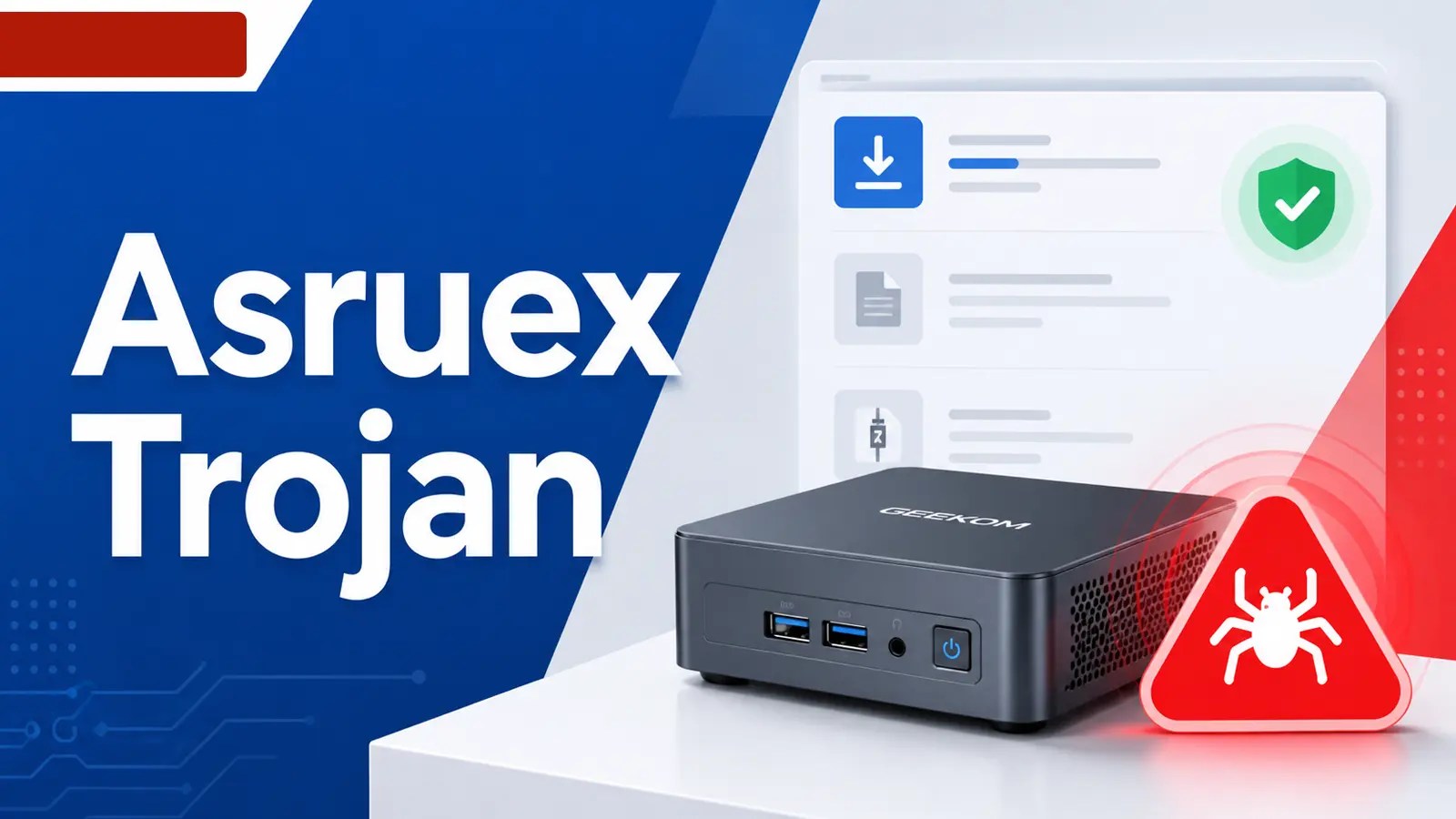
GEEKOM’s Realtek LAN driver package has been identified as containing the Asruex Trojan, posing a significant cybersecurity risk. The infected file, accessible from an outdated support page, highlights the dangers of obsolete software downloads. Users who downloaded and executed this installer with elevated permissions might have exposed their systems to malware.
Compromised Driver Package
The threat originated from a downloadable installer on GEEKOM’s legacy support page, rather than from any hardware still being manufactured. Despite the company’s transition to a new support system, the compromised file remained accessible via search engines. This oversight created a hidden path for malware distribution, as noted by analysts at VideoCardz.
GEEKOM acknowledged that the outdated file was inadvertently left on their servers. They assured that a review of current support pages revealed no other similar issues and that their pre-installed Windows images were unaffected. The exposure is limited to users who specifically downloaded the older LAN package.
GEEKOM’s Response and User Guidance
In response to the threat, GEEKOM is actively removing the legacy files and pages while enhancing their resource-management procedures. The company apologized for the oversight and emphasized the importance of using up-to-date support resources. They have recommended that affected users delete the compromised installer and perform a full system scan with trusted anti-malware software.
For added security, GEEKOM suggests reinstalling Windows using an official image from Microsoft. While this is a precautionary measure rather than an indication of widespread infection, it is advised for those who ran the potentially harmful installer.
Lessons and Precautions for Users
This incident underscores the critical need for vigilance with download sources, especially when they appear to be from reputable vendors. Users are urged to access current support portals directly from a company’s main navigation rather than relying on outdated links. Organizations, in particular, should implement robust approval processes for software deployment to prevent similar threats.
GEEKOM’s case is a reminder that ownership of their mini PCs does not imply compromise; only those who interacted with the flagged package are at risk. The situation illustrates how quickly trust can erode when a support download is compromised, highlighting the necessity of maintaining up-to-date and secure download resources.