Hackers recently exploited a misplaced cloud access key to infiltrate approximately 10 Barracuda cloud accounts. This breach, occurring over a span of 44 hours, highlights vulnerabilities associated with exposed credentials in cloud environments.
Unauthorized Access Through Exposed Key
The unauthorized access was traced back to a key initially provided to a third-party AI vendor for a previous project. Despite the project’s completion, the credentials remained active, creating a potential entry point into Barracuda’s systems. The breach was observed between November 1 and November 2, 2026, when hackers navigated through stored secrets, development systems, and Kubernetes clusters.
Barracuda disclosed that the vendor’s development environment was compromised in October, inadvertently exposing the credential. The failure to deactivate the key after its intended use was identified as a critical oversight.
Analysis of the Breach
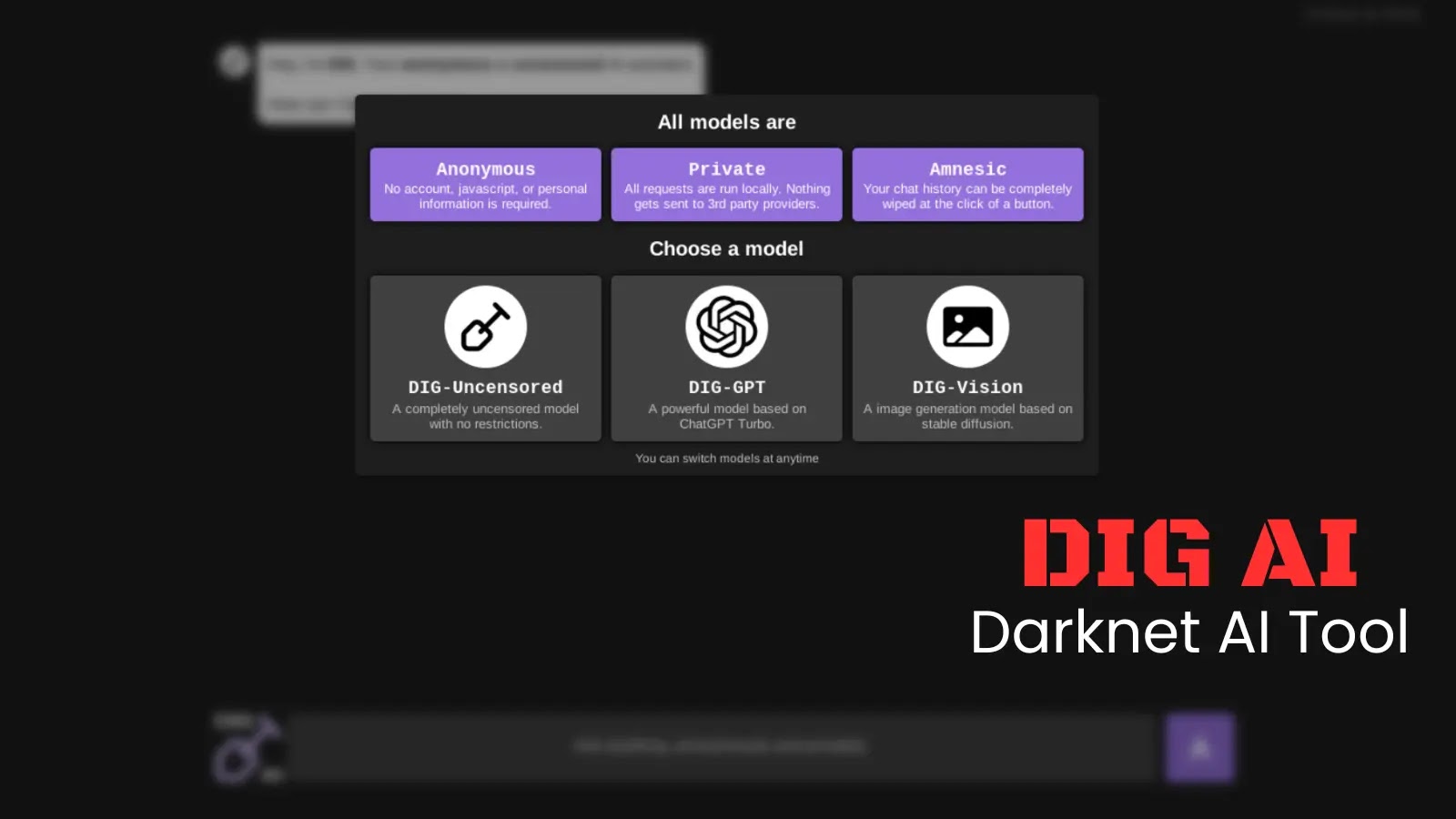
In their incident report, Barracuda identified the use of ARTEX, an AI-driven penetration-testing framework, rather than specific malware. This framework enables automated searches for credentials and resource access, revealing the breadth of the breach.
The initial API call was made early on November 1, with the attackers quickly probing which resources they could access. This led to the exposure of AWS access keys, Azure service principal secrets, and other sensitive data, significantly expanding their reach within the cloud environment.
Implications and Recommendations
Throughout the breach, attackers accessed a data analytics system, source-code tokens, and Kubernetes clusters, exploiting each discovered secret to further their infiltration. Despite these efforts, Barracuda asserted that no cryptocurrency-related data was found on the systems involved.
The incident was first noticed on November 4 when unusual account activities were reported. Subsequent investigations prompted Barracuda to rotate credentials and advise affected customers to revoke and recreate integration credentials.
To mitigate future risks, Barracuda recommended adopting short-lived, narrowly scoped access keys, limiting system movements, and enhancing secret rotation protocols. The company emphasized the need for rapid response mechanisms to counter automated attacks exploiting interconnected credentials.