Kubernetes security has emerged as a critical aspect of modern cloud environments, focusing on protecting clusters through admission control, network policy, runtime detection, and posture management. In 2026, organizations continue to prioritize these elements across multi-cloud architectures.
Top Security Specialists
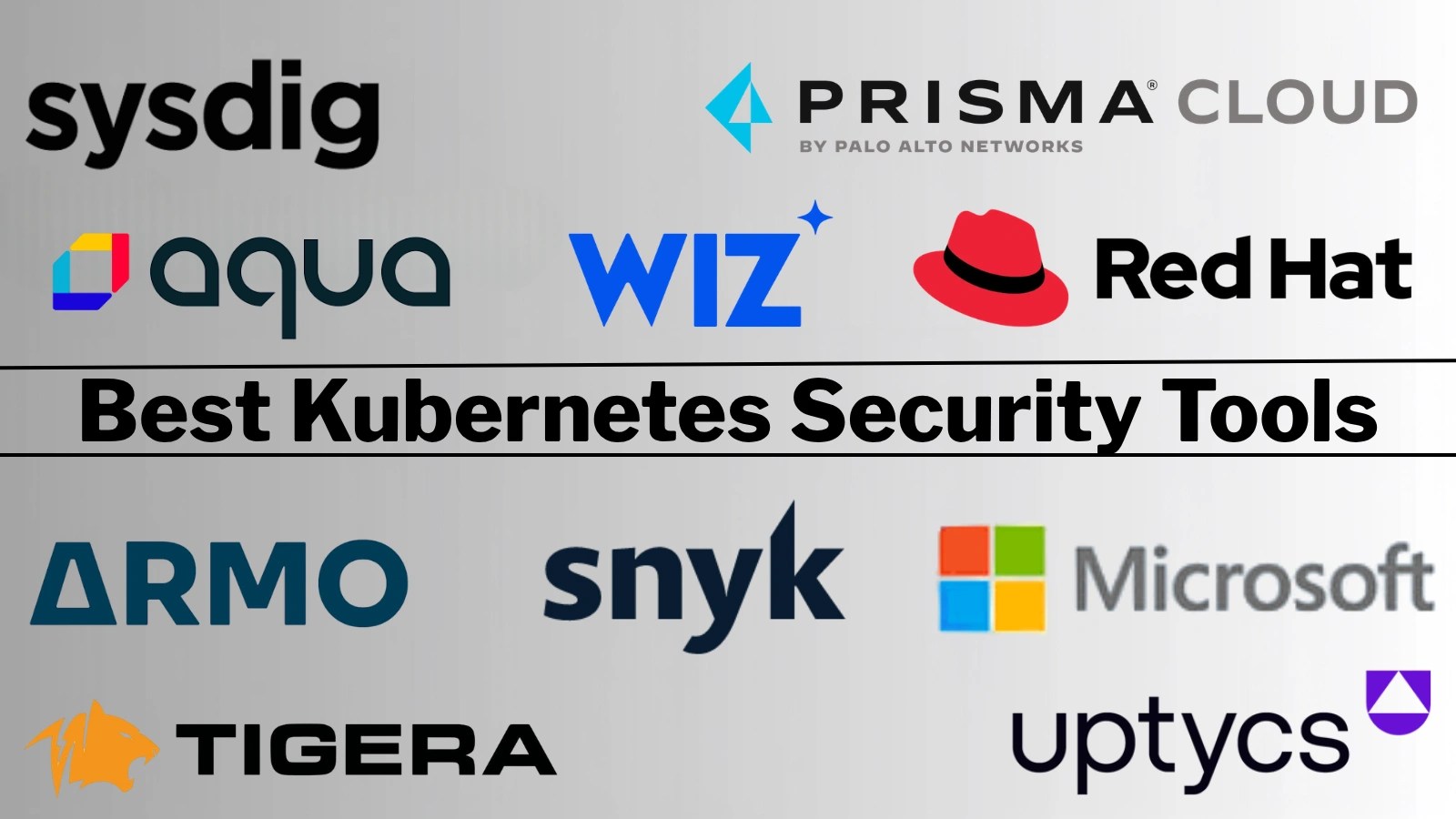
Sysdig and Aqua Security lead the market as specialized providers, with Red Hat ACS dominating OpenShift environments. The open-source sector also offers strong contenders like Kubescape, Calico, and Falco, which are pivotal in enhancing Kubernetes security strategies.
Organizations must carefully select tools that align with their specific Kubernetes setup. This includes considering factors such as runtime protection, lifecycle management, and breadth of platform integration.
Evaluating Key Features
The decision matrix for selecting Kubernetes security tools involves various considerations. When runtime and Kubernetes depth are crucial, Sysdig is preferred due to its deep runtime capabilities. For those prioritizing full lifecycle management, Aqua Security stands out with its strong assurance policies.
Meanwhile, Palo Alto’s Prisma Cloud offers expansive platform breadth, integrating Kubernetes security into a broader Cloud-Native Application Protection Platform (CNAPP). Wiz provides a unique approach with context-first, agentless solutions that enhance cluster visibility through graph correlation.
Open-Source and Network Security
Open-source tools such as Kubescape and Calico offer competitive advantages in posture management and network policy enforcement, respectively. Calico, in particular, excels at implementing least-privilege pod-to-pod control, essential for microsegmentation within Kubernetes clusters.
Microsoft Defender provides attractive economics for Azure and AKS users, while Uptycs offers unified telemetry across environments, adding value for teams managing comprehensive security strategies.
Effective Kubernetes security requires a blend of admission control, network segmentation, runtime detection, and robust posture auditing. Organizations must align these elements with Zero Trust principles, emphasizing least privilege and continuous validation.
Conclusion
In summary, the right mix of Kubernetes security tools can significantly enhance a cloud environment’s resilience. Whether opting for leading commercial products or robust open-source solutions, organizations should aim for a comprehensive strategy that covers admission, network, runtime, and posture management.
As the landscape evolves, staying informed about tool capabilities and aligning them with organizational needs will be critical for maintaining secure and efficient Kubernetes deployments.