Cybercriminals are leveraging trusted platforms to execute sophisticated attacks, with recent campaigns targeting the popularity of AI developer tools. Malicious actors have been using fake pages on Google Sites, which imitate Claude Code and OpenAI Codex, to trick users into executing commands that result in credential theft and data breaches.
Exploiting Trusted Platforms
In a crafty ploy, attackers employ a technique called ClickFix to present a seemingly credible setup page, urging victims to run a command. This malicious activity runs entirely in memory, bypassing traditional security detections that rely on file-based scanning. As reported by analysts from ANY.RUN, these campaigns impersonate popular AI tools to lower detection rates.
By masquerading as legitimate tools, these operations exploit the credibility of Google Sites, making users more likely to follow deceptive instructions. This strategic use of trusted domains poses significant challenges for the early detection of malicious activities.
Technical Disguise and Data Exfiltration
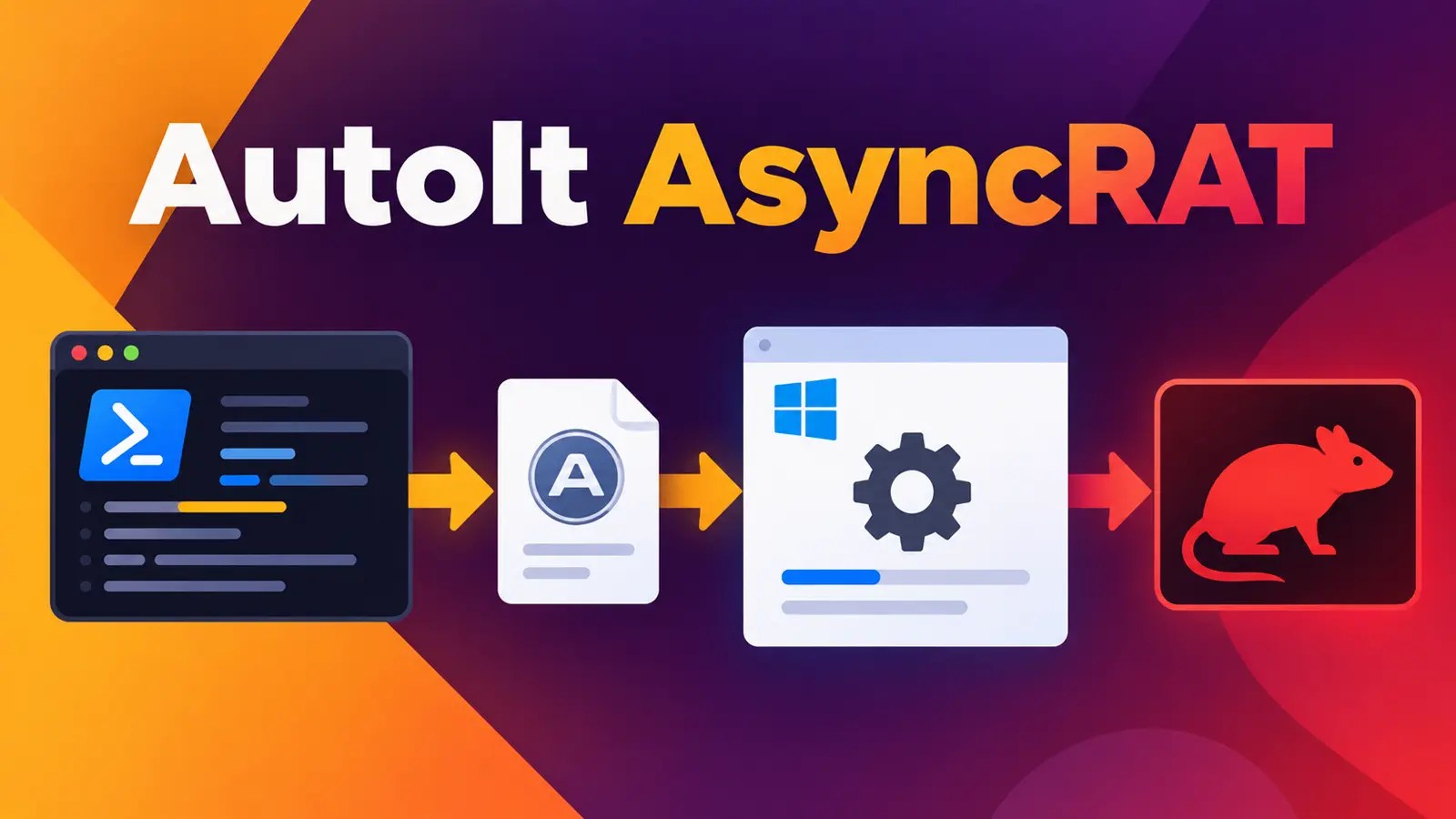
The ClickFix strategy involves directing victims to Google Sites pages that appear to provide genuine software installation guidance for AI tools like Codex and Claude Code. Victims are instructed to execute an mshta command, initiating a PowerShell sequence that conceals its payload within an image file using steganography. This process ensures that no files are written to disk, complicating detection by antivirus programs.
The attack rapidly progresses as the Google Sites lure leads to the execution of mshta, which triggers PowerShell to extract hidden data from an image. The resulting shellcode runs in memory, exfiltrating sensitive information such as browser passwords, email credentials, and cryptocurrency wallet data to attacker-controlled servers.
Defense Measures and Recommendations
To mitigate these threats, it is crucial for users to scrutinize any webpage prompting command execution, even if it appears legitimate. Verifying installation instructions through official sources or GitHub repositories is recommended. Organizations should employ endpoint detection solutions capable of behavioral analysis to identify suspicious activities, such as unusual PowerShell traffic.
Security experts advise caution in following instructions from unfamiliar websites and emphasize the need for robust monitoring tools that can detect in-memory attacks. By understanding the tactics used in these campaigns, individuals and businesses can better protect themselves from such sophisticated cyber threats.
As cybercriminals continue to refine their methods, awareness and preparedness remain key components in defending against these innovative exploits. Stay informed by following updates from reliable cybersecurity sources.