Skip to content
  • Home
  • Cyber Map
  • About Us – Contact
  • Disclaimer
  • Terms and Rules
  • Privacy Policy
Cyber Web Spider Blog – News

Cyber Web Spider Blog – News

Globe Threat Map provides a real-time, interactive 3D visualization of global cyber threats. Monitor DDoS attacks, malware, and hacking attempts with geo-located arcs on a rotating globe. Stay informed with live logs and archive stats.

  • Home
  • Cyber Map
  • Cyber Security News
  • Security Week News
  • The Hacker News
  • How To?
  • Toggle search form
Microsoft Advises Admins to Transition from SMS to Passkeys

Microsoft Advises Admins to Transition from SMS to Passkeys

Posted on October 29, 2026 By CWS

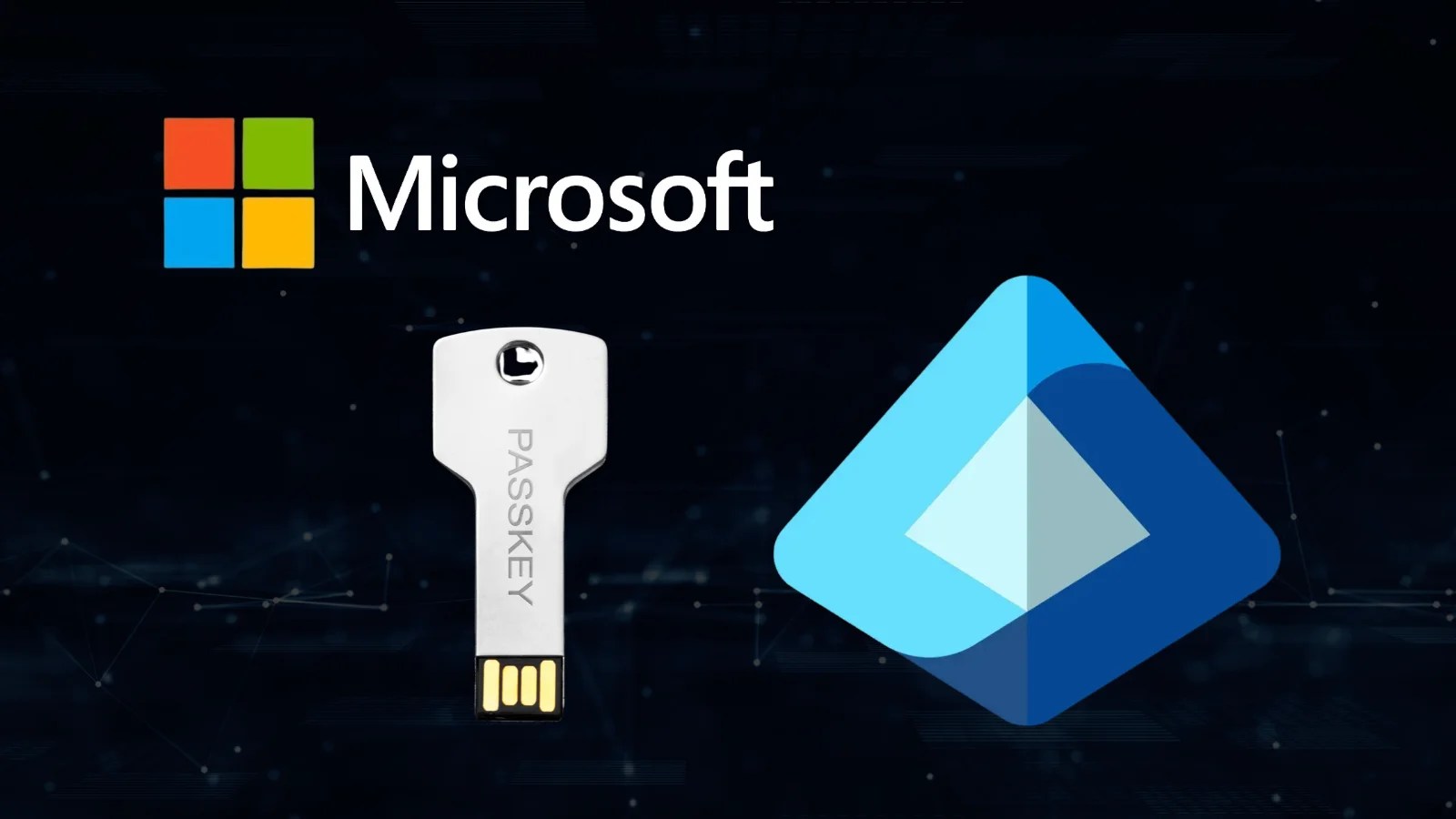
Microsoft has issued a recommendation for Entra ID administrators to transition from using SMS and voice authentication methods to passkeys. This shift is intended to mitigate phishing risks and avoid potential sign-in interruptions. The transition is advised to be completed before the deadline of February 1, 2027.

Transition Timeline and Scope

Announced on October 27 in Message Center notice MC1528000, the reminder follows previous communications from July. The retirement of SMS and voice authentication methods will affect both Worldwide and Government Community Cloud environments, with completion expected in early February 2027. Administrators are encouraged not to delay preparations for this transition.

Microsoft’s retirement notice clarifies that users who already have an alternative sign-in method will continue to use it without needing to register a passkey. Thus, verifying existing authentication methods is crucial for administrators as an initial step.

Impact on Users and Organizations

For users relying solely on SMS or voice authentication, Microsoft allows one last use of these methods to verify identity before mandating passkey registration. Organizations with a significant number of accounts dependent on phone-based methods must prioritize preparations for this transition.

While the transition to passkeys is emphasized, the retirement specifically targets Microsoft-provided phone authentication and does not entirely ban SMS and voice use across Entra ID.

Security Advantages and Implementation Steps

Passkeys offer enhanced security by reducing exposure to phishing and SIM-swap attacks, which can compromise verification codes or authentication phone numbers. Passkeys utilize public-key cryptography under FIDO standards, keeping the private key with the user’s authenticator while storing the public key on the service side.

Administrators should identify which users rely on SMS or voice, prioritize transitioning those without alternative methods, and assist in adopting passkeys or other supported options. Microsoft urges organizations to inform employees and helpdesk teams about the upcoming changes and registration procedures.

For organizations that wish to maintain phone-based authentication, Microsoft will allow configuration of a customer-managed telecom provider through the Microsoft Security Store, starting October 30, 2026. Existing customer-managed providers will remain unaffected, and those not using Microsoft’s SMS or voice services need not take additional action.

In summary, to bolster security and streamline authentication, Microsoft recommends a proactive migration to passkeys, ensuring readiness before the 2027 deadline.


Cyber Security News Tags:Authentication, Cybersecurity, Entra ID, FIDO, Microsoft, Passkey, Phishing, public-key cryptography, Security, SMS, Voice

Post navigation

Previous Post: Hackers Compromise 2.6 Million Records from Sony’s ISP

Related Posts

17 Iranian Hackers Charged in Massive Data Theft Scheme 17 Iranian Hackers Charged in Massive Data Theft Scheme Cyber Security News
New CrushFTP 0-Day Vulnerability Exploited in the Wild to Gain Access to Servers New CrushFTP 0-Day Vulnerability Exploited in the Wild to Gain Access to Servers Cyber Security News
Chrome Security Update – Patch for 21 Vulnerabilities that Allows Attackers to Crash Browser Chrome Security Update – Patch for 21 Vulnerabilities that Allows Attackers to Crash Browser Cyber Security News
Fake FileZilla Sites Distribute Remote Access Trojan Fake FileZilla Sites Distribute Remote Access Trojan Cyber Security News
PoC Exploit Released for Critical React, Next.js RCE Vulnerability (CVE-2025-55182) PoC Exploit Released for Critical React, Next.js RCE Vulnerability (CVE-2025-55182) Cyber Security News
NIST Releases Control Overlays to Manage Cybersecurity Risks in Use and Developments of AI Systems NIST Releases Control Overlays to Manage Cybersecurity Risks in Use and Developments of AI Systems Cyber Security News

Categories

  • Cyber Security News
  • How To?
  • Security Week News
  • The Hacker News

Recent Posts

  • Microsoft Advises Admins to Transition from SMS to Passkeys
  • Hackers Compromise 2.6 Million Records from Sony’s ISP
  • Cisco Addresses Critical VPN Vulnerability in ASA and FTD Software
  • GitHub Introduces Copilot Fusion for Enhanced AI Coding
  • Cisco SD-WAN Vulnerability Exploited by Volt Typhoon

Pages

  • About Us – Contact
  • Disclaimer
  • Privacy Policy
  • Terms and Rules

Archives

  • October 2026
  • September 2026
  • August 2026
  • July 2026
  • June 2026
  • May 2026
  • April 2026
  • March 2026
  • February 2026
  • January 2026
  • December 2025
  • November 2025
  • October 2025
  • September 2025
  • August 2025
  • July 2025
  • June 2025
  • May 2025

Recent Posts

  • Microsoft Advises Admins to Transition from SMS to Passkeys
  • Hackers Compromise 2.6 Million Records from Sony’s ISP
  • Cisco Addresses Critical VPN Vulnerability in ASA and FTD Software
  • GitHub Introduces Copilot Fusion for Enhanced AI Coding
  • Cisco SD-WAN Vulnerability Exploited by Volt Typhoon

Pages

  • About Us – Contact
  • Disclaimer
  • Privacy Policy
  • Terms and Rules

Categories

  • Cyber Security News
  • How To?
  • Security Week News
  • The Hacker News

Copyright © 2026 Cyber Web Spider Blog – News.

Powered by PressBook Masonry Dark