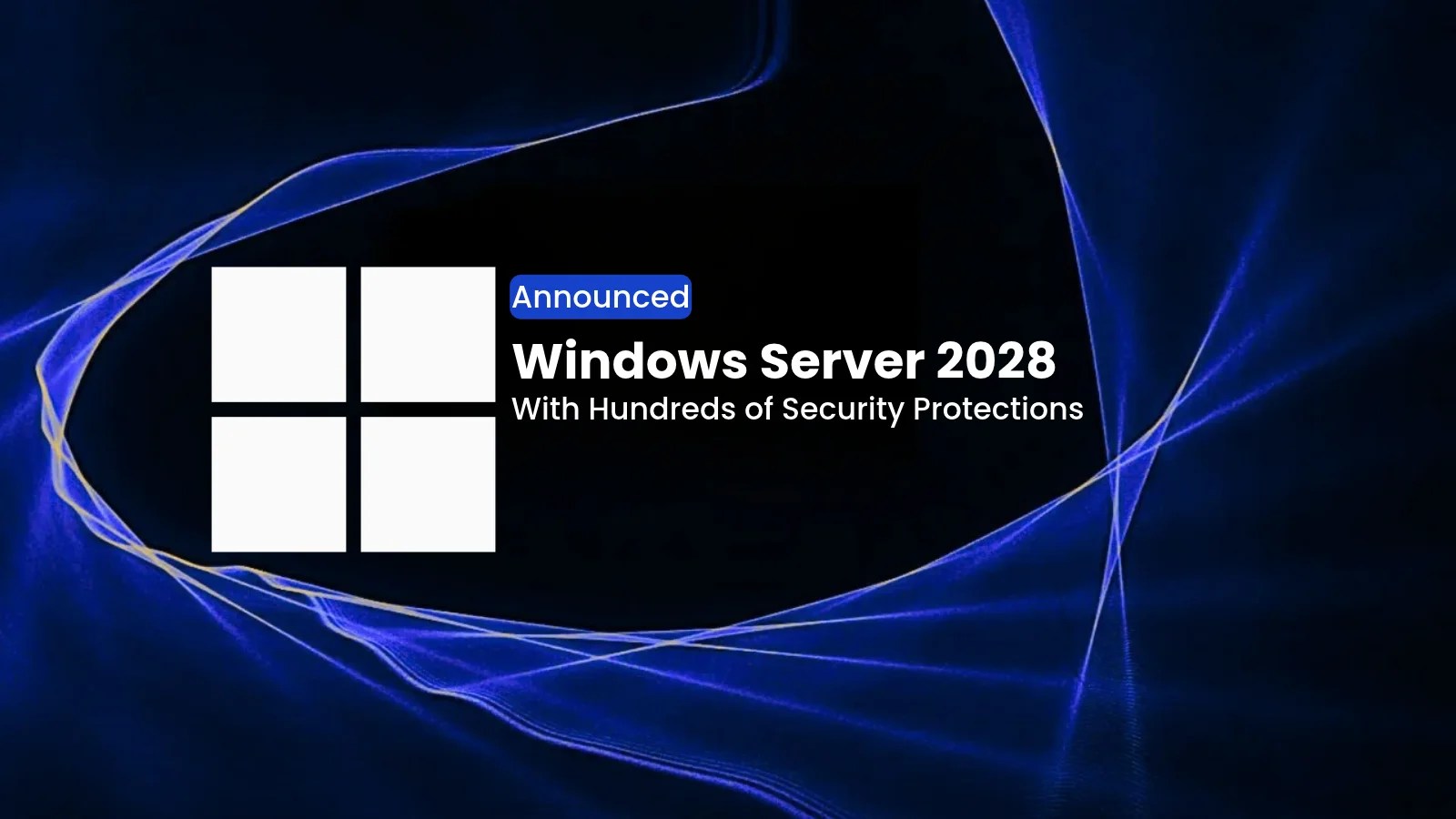
Microsoft has unveiled Windows Server 2028, now available in public preview, emphasizing security enhancements that are activated by default. This marks a significant shift from previous versions, which required administrators to manually secure systems after setup.
Automatic Security Configurations
With the release announced on November 17, 2026, Windows Server 2028 introduces a locked-down state from the first boot. This eliminates the need for administrators to apply security baselines or custom scripts, addressing a longstanding gap where new servers operated in less secure states.
The new default settings align with industry standards such as CIS and DISA STIG. Microsoft’s approach groups security measures by layer, ensuring cohesive functionality and validation. Key areas of focus include identity, network exposure, cryptography, and remote access.
Layered Security Measures
Among the changes, Kerberos is prioritized over NTLM for authentication, and strong password policies are enforced. Network connections are secured through mandatory SMB signing and encryption, with firewalls active across all profiles while outdated protocols are disabled.
In cryptography, Windows Server 2028 limits TLS to modern cipher suites and employs hybrid post-quantum mechanisms for key exchanges. Administrative privileges require explicit approval, and unauthorized guest access is blocked. Remote access protocols like RDP now mandate network-level authentication and TLS, enhancing security against unauthorized access.
Implications and Future Developments
These security advancements address vulnerabilities observed in previous server versions. Past incidents, such as the exploitation of SMB client flaws, underscore the need for robust security defaults, now addressed in the latest server iteration.
Microsoft continues to refine these settings, integrating feedback from the Windows Server Insider Program. They advise teams to test applications against the new configurations, adjusting only necessary settings to accommodate specific workloads.
Looking ahead, additional features are planned, including NTLM blocking and enhanced cryptographic protocols. Microsoft is also exploring AI inference capabilities and expanding NVMe storage options, with broader adoption expected as the technology matures.
For administrators, the emphasis remains on maintaining current security practices, such as enforcing SMB signing and Kerberos, to ensure a seamless transition to Windows Server 2028.