In the rapidly evolving field of cybersecurity, risk-based vulnerability management (RBVM) tools are gaining prominence as they help prioritize threats based on actual exploitation evidence. This approach focuses on asset criticality and reachability, distinguishing them from traditional methods that rely heavily on CVSS scores. The 2026 landscape for these tools includes a blend of native scoring systems within scanner platforms, aggregation layers, and advanced exposure-math engines.
Tenable Leads the Market
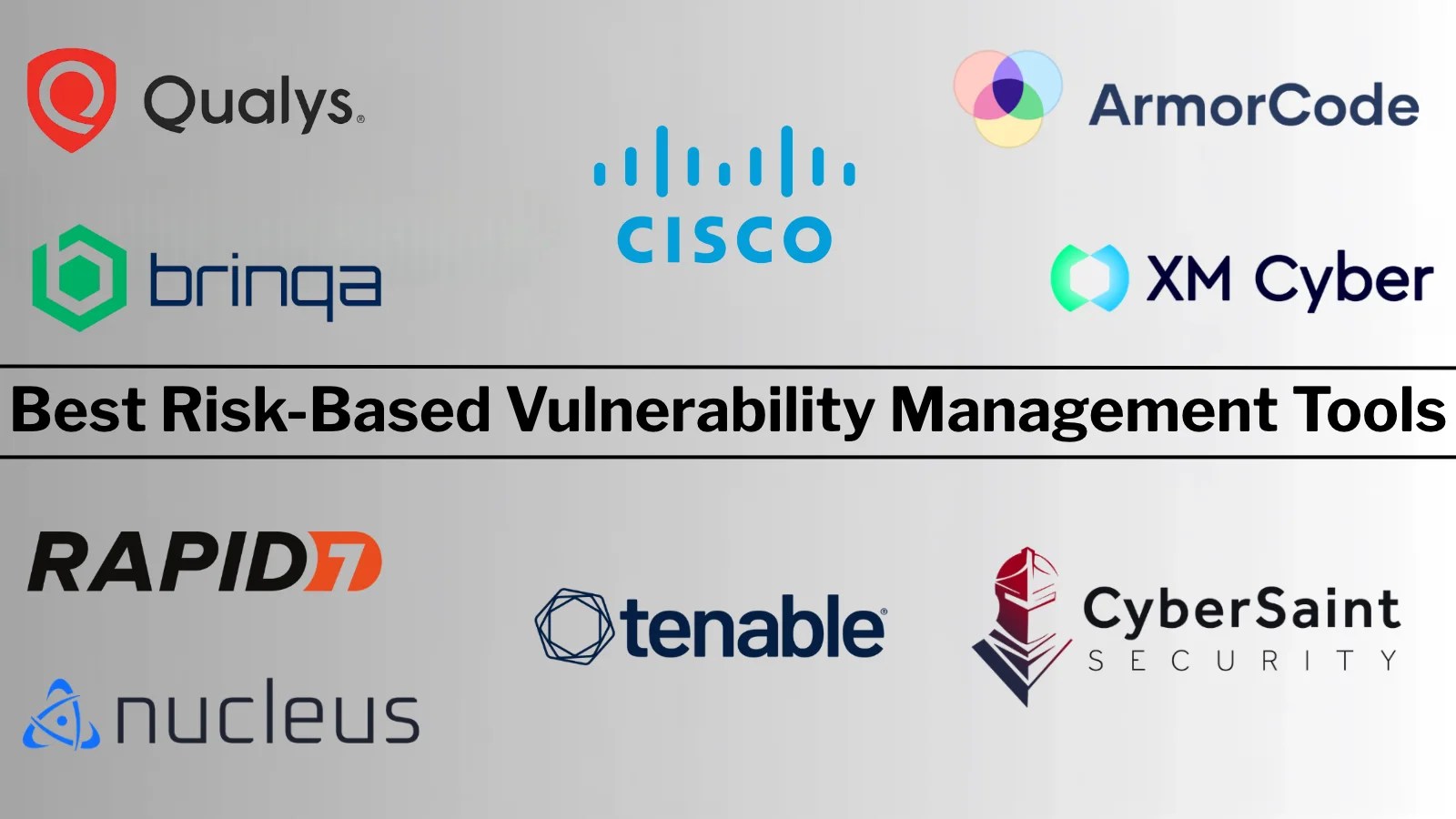
Tenable emerges as the frontrunner with its VPR scoring system combined with the acquired Vulcan Cyber orchestration capabilities. By merging threat intelligence-weighted scoring with cross-source aggregation, Tenable provides a comprehensive solution for managing vulnerabilities. The integrated system effectively narrows down critical issues to those most likely to be exploited, offering a streamlined remediation process.
Rising Competitors: Qualys and Cisco Kenna
Following closely, Qualys and Cisco Kenna hold significant positions. Qualys stands out with its TruRisk platform that integrates risk scoring natively across its ecosystem, offering a seamless transition from detection to patching. In contrast, Cisco Kenna is noted for its pioneering work in exploit-prediction modeling, utilizing real-world data to inform its vulnerability management strategies. These tools highlight the industry’s shift towards more predictive and evidence-based approaches.
Aggregation Layers and Orchestration Tools
The RBVM market also features several notable aggregation and orchestration tools. Nucleus Security excels in unifying scanner, cloud, and application security findings, automating the routing of vulnerabilities to relevant teams. Similarly, Brinqa offers a risk-graph orchestration model that connects findings with business context, providing enterprise-scale solutions. ArmorCode differentiates itself by integrating application security with infrastructure findings, supported by AI-assisted correlation.
Methodology and Future Outlook
The evaluation of these tools is based on several criteria, including scoring transparency, the quality of exploitation intelligence, and the breadth of aggregation and orchestration capabilities. These factors are crucial in determining their effectiveness in real-world scenarios. As cybersecurity threats continue to evolve, the role of RBVM tools will expand, emphasizing the need for accurate risk prioritization and efficient remediation processes.
Looking ahead, organizations are encouraged to adopt a flexible approach, integrating these tools into their existing security frameworks. By leveraging the strengths of platforms like Tenable, Qualys, and Cisco Kenna, businesses can enhance their resilience against cyber threats and ensure a proactive stance in vulnerability management.