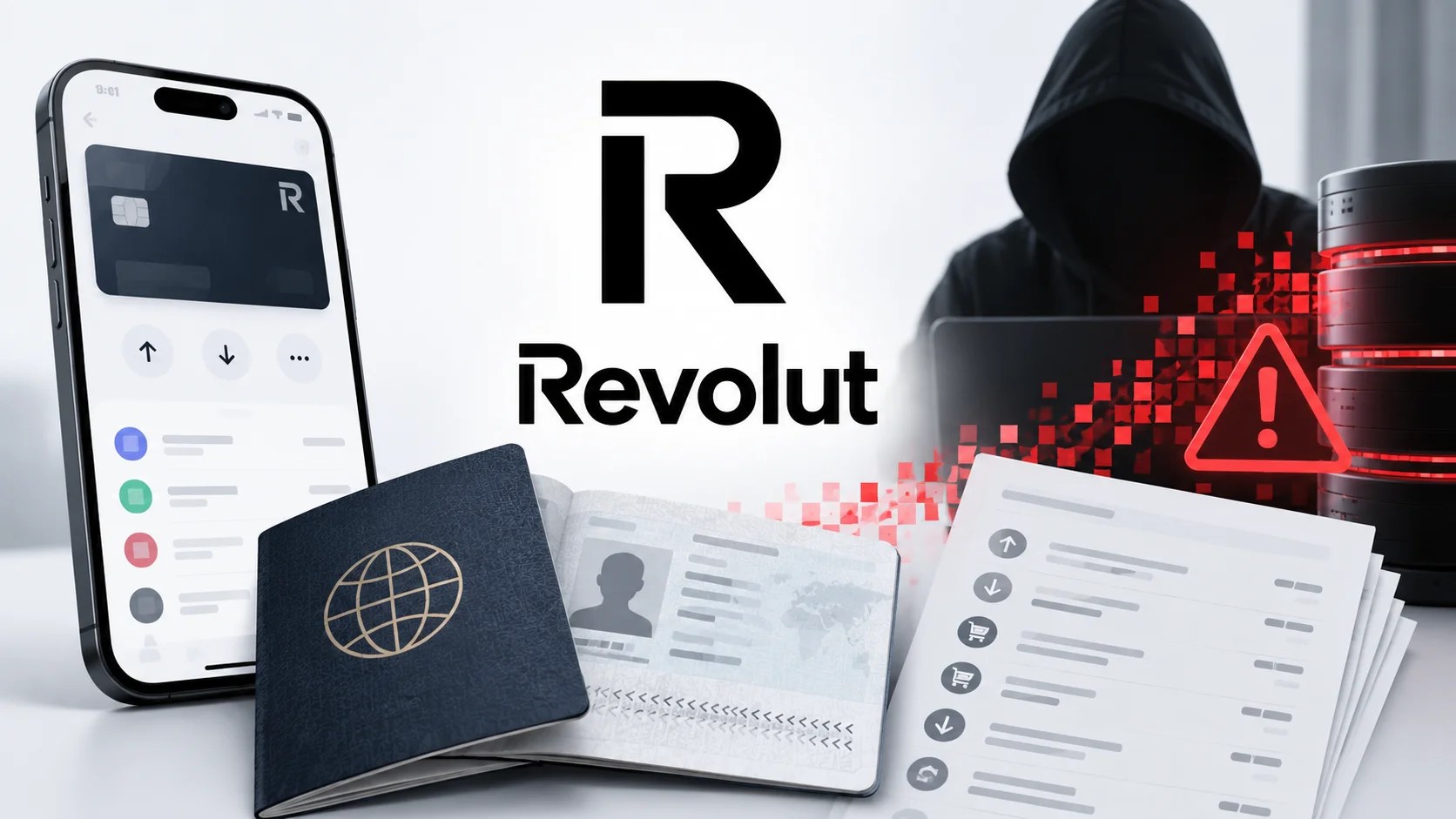
Revolut has recently reported a significant data breach incident, revealing that sensitive customer details were exposed following a deceptive request that mimicked a legitimate government communication. The fintech company was led to believe the request was genuine due to the use of an official-looking email domain.
Details of the Data Exposure
The breach affected a subset of users, revealing critical Know Your Customer (KYC) documentation and intricate financial records. Compromised information included personal identification data such as passport and driver’s license copies, identity verification selfies, account statements, and comprehensive transaction histories with Bitcoin activity.
Revolut clarified that the incident did not result from a compromise of its primary systems, mobile app, or customer accounts. Instead, the breach was executed through a sophisticated impersonation using an unauthorized email account tied to a government domain.
Implications and Risks
Despite the absence of biometric data compromise, the loss of document scans and selfies poses severe risks of identity theft and fraud. The breach also exposed financial data, including IBANs and transaction histories, which could guide criminals in profiling victims for scams.
The dataset even included cryptocurrency transaction details, heightening the threat, as this information can be used to analyze wealth, trading habits, and potential vulnerabilities to scams.
Response and Security Concerns
Revolut described the attack as a sophisticated social-engineering strategy rather than an internal system breach. The company swiftly blocked the unauthorized email source, informed authorities, and reached out to affected customers, assuring that customer funds remained secure.
This incident raises alarms about the security of mandatory KYC data collection in banks and fintech services. Notably, high-net-worth individuals within Revolut’s customer base might face increased risks from phishing, extortion, and tailored cryptocurrency theft attempts.
For those affected, the combination of identity documents and financial information could be used to craft convincing social-engineering schemes, potentially impersonating Revolut or other trusted entities.
Lessons and Future Precautions
The breach highlights how trusted email domains can be exploited when unauthorized access is gained. It emphasizes the importance for organizations managing sensitive data to independently verify high-risk requests through alternative channels rather than solely relying on domain authenticity or sender identity.
As cybersecurity threats evolve, maintaining robust verification processes and improving awareness of social-engineering tactics are crucial for protecting customer data from future breaches.