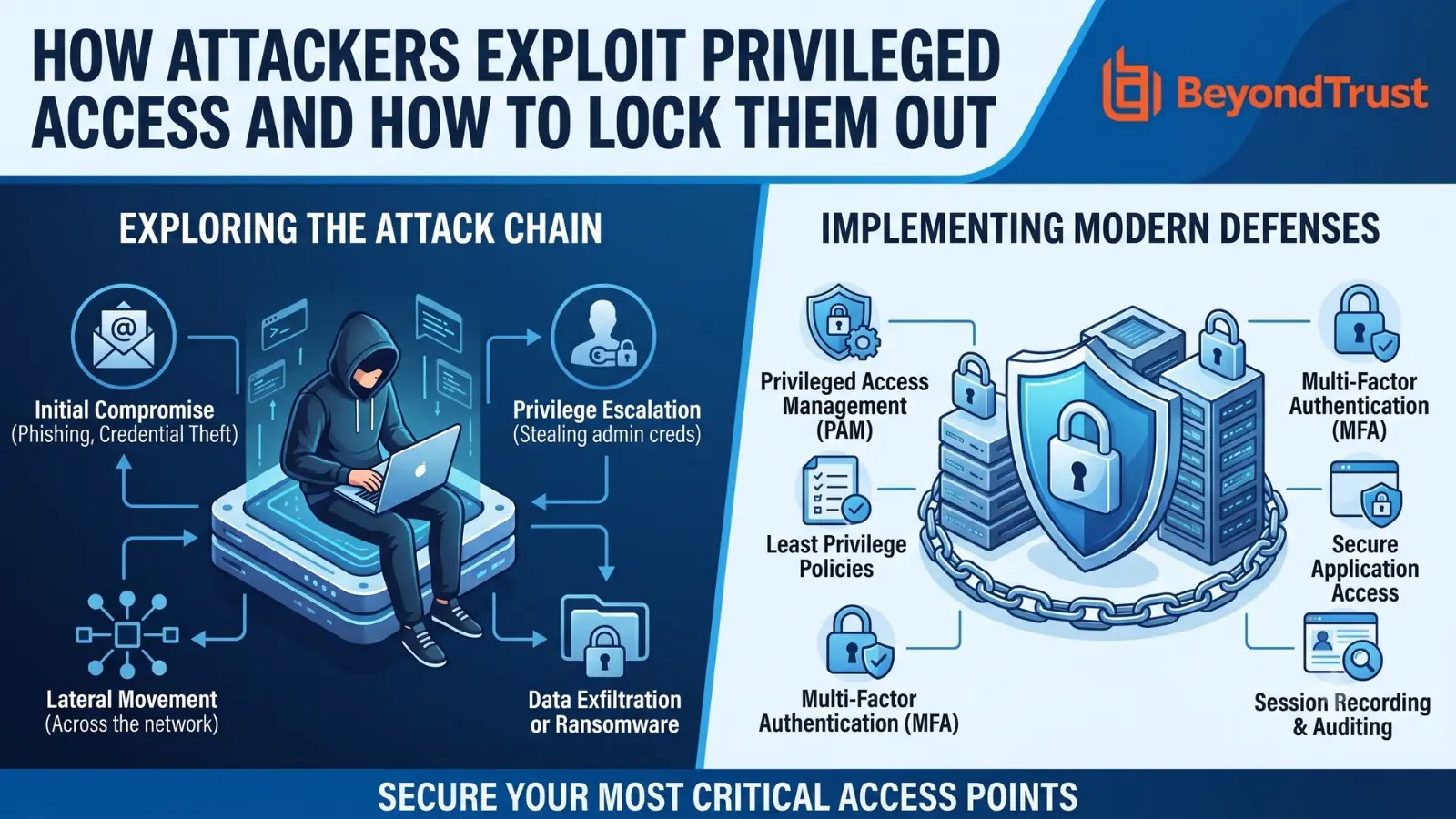
In the modern digital landscape, privileged access is a prime target for cyber attackers. While headlines often highlight the aftermath of data breaches, the silent yet critical incidents leading to these breaches seldom make the news. The core issue usually involves an attacker exploiting a privileged credential to infiltrate systems, escalate their access, and execute malicious activities.
Privileged Access Management (PAM) has become a fundamental element of identity security. It has evolved from a mere compliance requirement to a critical defense mechanism against catastrophic breaches. Key capabilities of a robust PAM program, as outlined in resources like the BeyondTrust Buyer’s Guide, can make a significant difference in safeguarding sensitive data.
Understanding the Importance of Privileged Credentials
Credential theft is not an isolated issue; it is a widespread problem affecting numerous organizations. The Verizon Data Breach Investigations Report indicates that a substantial number of ransomware attacks involve credentials exposed in infostealer logs. Once obtained, these credentials enable attackers to bypass security measures undetected, often leading to prolonged breaches that can remain undiscovered for months.
Such breaches exploit the fact that valid credentials appear legitimate, making them harder to detect. The consequences are severe, as attackers can control systems without raising alarms. Thus, securing credentials effectively is crucial to preventing unauthorized access and potential data breaches.
Stages of a Privilege Escalation Attack
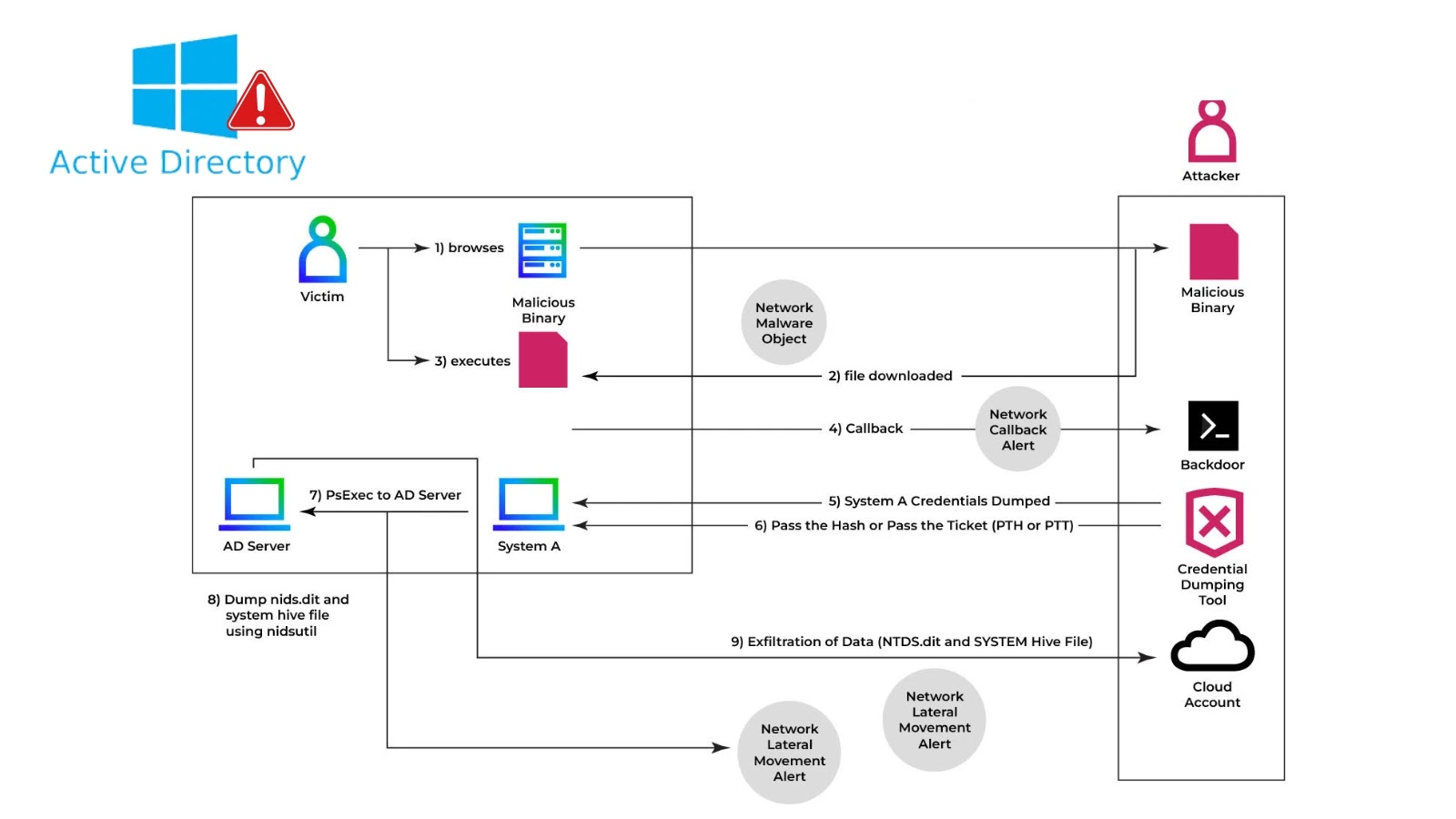
A typical privilege escalation attack involves several stages, each increasing the attacker’s level of access. Initially, an attacker may exploit a vulnerability to gain a foothold with minimal privileges. Subsequently, they escalate these privileges using known exploits, transitioning from limited access to full system control.
Once they have system-level control, attackers can harvest credentials, gather intelligence about network architecture, and identify potential targets for lateral movement. By moving across systems and elevating privileges, they can eventually gain domain dominance, allowing them to deploy ransomware, steal sensitive data, or establish persistent access.
Addressing the Expanding Attack Surface
The challenge of securing privileged access is compounded by the rise of non-human identities. Service accounts, API keys, and AI agents often outnumber human users significantly. These machine identities frequently carry privileged access, yet many organizations lack the controls to manage them effectively, creating vulnerabilities that attackers can exploit.
Research shows that a significant percentage of machine identities hold administrative privileges, often by default. Moreover, secrets are frequently exposed in public repositories, increasing the risk of unauthorized access. Addressing these issues requires comprehensive identity security measures that encompass both human and non-human identities.
To mitigate these risks, organizations need to implement a complete PAM strategy that goes beyond simply vaulting passwords. Effective PAM involves managing privileged sessions, enforcing least privilege, and continuously monitoring all identities to prevent unauthorized access and escalation. By adopting a comprehensive approach to privileged access management, organizations can significantly reduce their exposure to breaches.
Ultimately, securing privileged access is about preventing attackers from exploiting elevated privileges to compromise systems. With the proliferation of machine and AI identities, a robust PAM program is essential to maintaining security and protecting sensitive data.