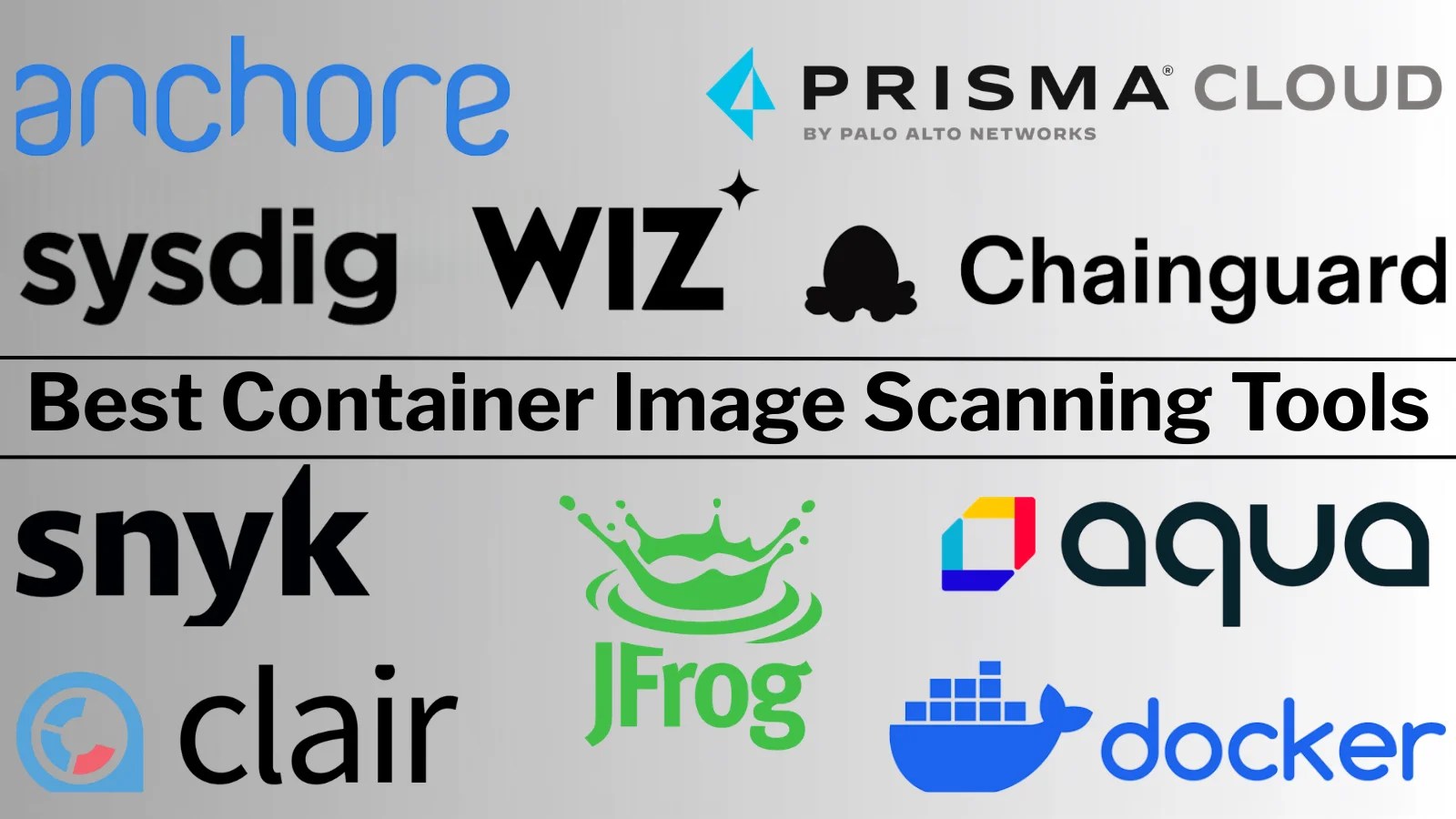
In the rapidly evolving landscape of container security, selecting the best image scanning tools is crucial for safeguarding digital assets. The top tools of 2026 emphasize not only detecting vulnerabilities but also providing actionable insights and strategies to mitigate risks effectively. This article explores the leading container image scanning solutions available this year.
Aquatic Precision: Aqua’s Trivy Leads the Way
Aqua’s Trivy continues to dominate the container scanning arena as the preferred free tool, setting a high benchmark in the cloud-native ecosystem. Known for its speed and accuracy, Trivy offers comprehensive scanning capabilities across various targets, making it an essential component in any CI/CD pipeline. Its open-source nature and integration with Aqua’s enterprise platform enhance its appeal by adding admission control and runtime security features.
With Trivy, organizations can maintain robust defenses against threats such as supply chain attacks. Its standout features include image, infrastructure as code, and SCA scanning, alongside SBOM generation, making it indispensable for DevOps teams.
Prioritization and Exposure: Sysdig and Wiz
Sysdig secures its position as a top contender by effectively prioritizing vulnerabilities based on runtime information. By focusing on the packages that containers actively load, Sysdig significantly reduces CVE backlogs, thus streamlining security operations. Built on its open-source Falco roots, Sysdig’s capabilities extend to real-time container behavior analysis, offering unparalleled context for security teams.
Wiz, on the other hand, excels in exposure-graph ranking by correlating image findings with workload exposure, cloud entitlements, and network reachability. This approach allows organizations to pinpoint vulnerabilities that pose the most significant risks to critical assets, ensuring targeted and effective security measures.
Strategic Elimination and Workflow Integration
Chainguard introduces a unique elimination-first strategy by offering zero-CVE minimal base images. This innovative approach helps organizations avoid alert fatigue by minimizing the vulnerabilities present from the outset. Chainguard’s cryptographically signed images also aid in reducing false positives, presenting a streamlined path to secure deployments.
Snyk emphasizes a fix-oriented approach, integrating seamlessly into existing developer workflows. By providing pragmatic recommendations and automated fixes, Snyk helps teams address vulnerabilities efficiently, ensuring secure and optimized container environments.
Anchore’s Grype and Syft stand out for their SBOM-first scanning capabilities, offering precision and evidence-based security without compromising on the open-source ethos. This combination ensures that comprehensive security measures align with modern development practices.
Conclusion: Enhancing Container Security
As container deployments continue to grow, the importance of robust image scanning tools cannot be overstated. The top tools of 2026, led by Trivy, Sysdig, Wiz, and others, provide essential features that address the complexities of modern container security. By focusing on context, prioritization, and elimination strategies, organizations can effectively protect their assets while maintaining operational efficiency.
Looking ahead, the integration of these tools into broader security practices will be key to preventing potential threats and ensuring the resilience of digital infrastructures.