In recent years, managed file transfer (MFT) solutions have gained prominence due to their role in secure data exchange. The landscape has evolved significantly, with security breaches prompting a reevaluation of selection criteria for these tools. As of 2026, the evaluation of MFT vendors is heavily influenced by their security features, patch management, and overall resilience.
Leading MFT Solutions in 2026
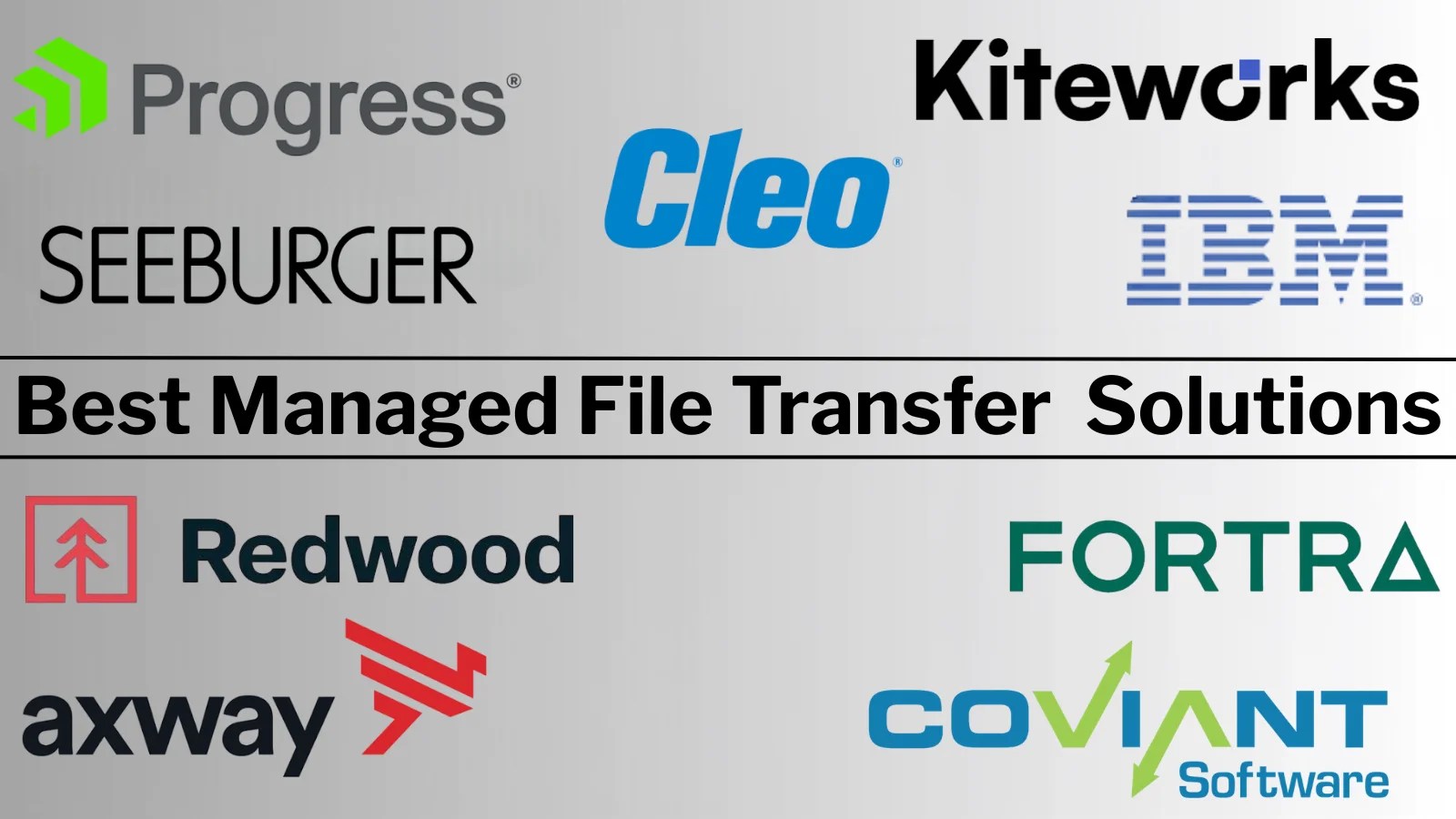
Axway leads the pack with its robust enterprise MFT capabilities, maintaining a strong security posture that has withstood industry challenges. IBM Sterling and Progress MOVEit follow closely, each offering unique strengths. IBM Sterling excels in B2B integration, while Progress MOVEit has been fortified after past security incidents.
Fortra is noteworthy as it combines GoAnywhere and Globalscape EFT under one umbrella, providing a comprehensive MFT portfolio. Cleo and SEEBURGER offer integration-friendly solutions, merging MFT with broader business processes.
Evaluating Security and Performance
Security remains a top priority for MFT solutions. Vendors are now expected to provide clear documentation of their security architecture, including patch management and exploitation history. Axway, for instance, is recognized for its governance at scale, while IBM Sterling’s legacy of reliability in large-scale data transfers stands out.
Progress MOVEit, despite past vulnerabilities, has made significant improvements in security and automation. Buyers are advised to ensure vendors provide detailed security measures, including zero-exposure designs and robust patch protocols.
Choosing the Right MFT Solution
When selecting an MFT solution, consider the specific needs of your organization. Axway and IBM Sterling are ideal for large-scale operations requiring extensive partner integration. For companies focused on secure and efficient data transfer, products like Progress MOVEit and Fortra offer compelling options.
For seamless integration into broader IT ecosystems, consider Cleo and SEEBURGER, which provide comprehensive solutions that encompass MFT, EDI, and API capabilities. Each vendor’s offering should be evaluated based on its ability to meet your security and operational requirements.
As the demand for secure file transfer solutions grows, organizations must prioritize security features and vendor reliability to mitigate risks associated with data breaches. By focusing on a vendor’s security architecture and operational resilience, businesses can make informed decisions that align with their data management needs.