Microsegmentation tools have become essential for preventing unauthorized lateral movement within networks, especially as ransomware threats evolve. These tools help secure environments by isolating workloads, applications, and devices, ensuring that potential attackers cannot spread easily once they infiltrate a system. In this guide, we explore the top microsegmentation tools available in 2026, offering insights into their unique capabilities and ideal use cases.
Leading Microsegmentation Solutions
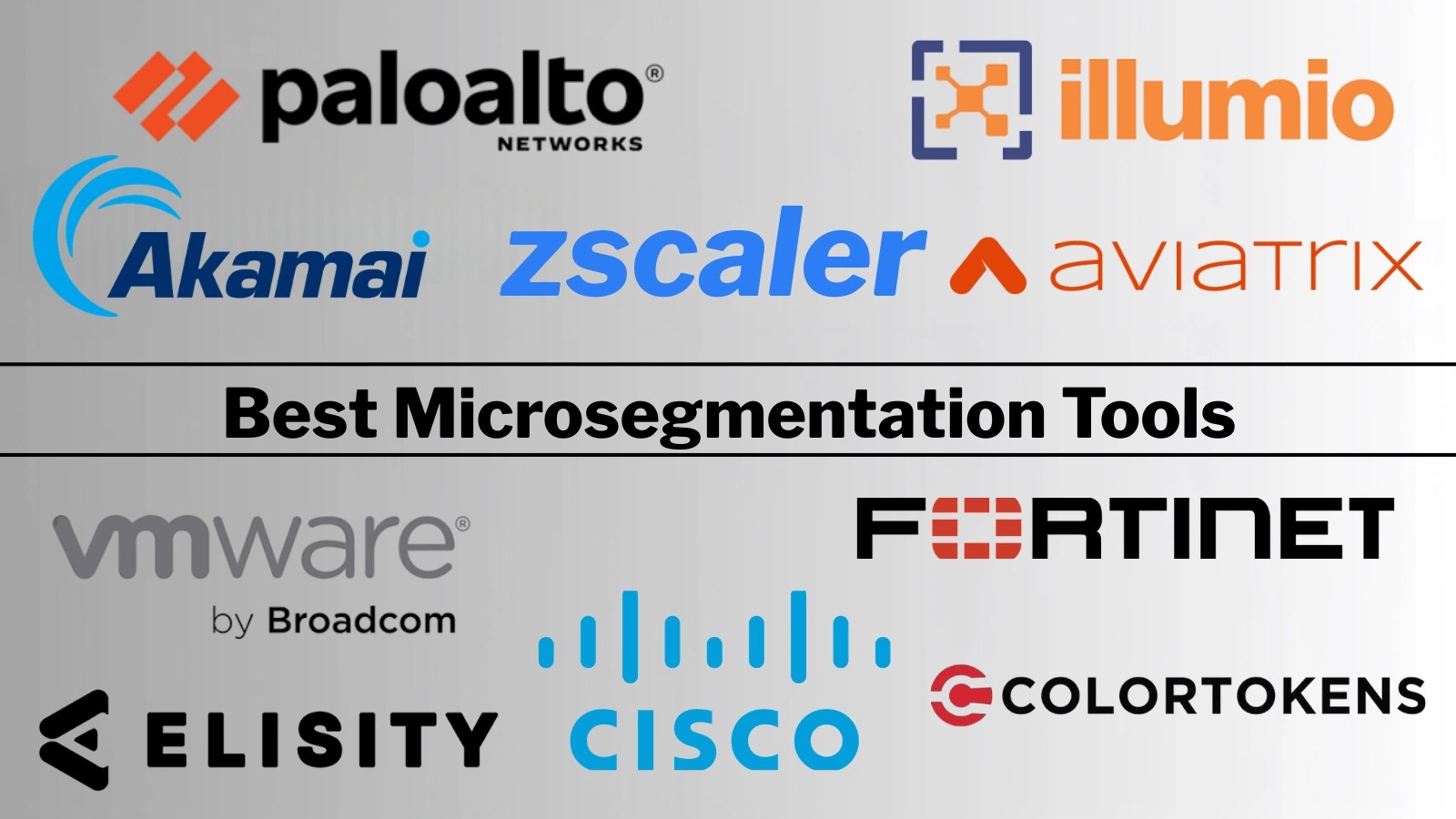
Illumio stands out as a leading platform in the dedicated segmentation category, offering a user-friendly interface that relies on labels instead of IP addresses for policy expression. Its visual dependency map simplifies the segmentation process, making it accessible even for those new to the concept.
Akamai Guardicore excels in providing deep visibility and enforcement across hybrid environments. It offers granular process-level visibility, crucial for precise policy enforcement and incident investigation. However, deploying agents can be resource-intensive.
VMware NSX, now part of Broadcom, continues to be a powerful choice for virtualized data centers, although recent changes in licensing require careful financial evaluation. It offers hypervisor-level enforcement, providing advanced services without the need for workload agents.
Adapting to Market Changes and Needs
The microsegmentation landscape has shifted significantly with ransomware becoming a primary concern. The ability to limit lateral movement is now seen as fundamental by regulators and cybersecurity frameworks, including NIST’s zero trust architecture.
Changes in Broadcom’s VMware NSX licensing have also influenced market dynamics, prompting many organizations to consider alternative solutions like host-agent platforms. Evaluating these options requires a thorough understanding of each tool’s strengths and limitations, particularly regarding legacy and unmanaged systems.
Deploying Microsegmentation Effectively
Successful deployment of microsegmentation requires careful planning. Start by mapping dependencies and observing network traffic patterns over an extended period to avoid disrupting critical processes. Focus on protecting high-value assets first, such as domain controllers and backup systems, to achieve significant risk reduction quickly.
Using label-based policies instead of IP addresses can enhance policy durability and ease of audit. It is also recommended to deploy rules in an alert-only mode initially, allowing teams to refine policies without impacting production environments.
Conclusion: Making Informed Decisions
For enterprises prioritizing ransomware containment, Illumio remains a top choice, while Akamai Guardicore offers a strong alternative for those needing detailed visibility. Organizations seeking integration with existing platforms may prefer solutions like VMware NSX or Cisco Secure Workload. Meanwhile, Elisity’s identity-based approach addresses the challenges posed by unmanaged devices.
Ultimately, the choice of microsegmentation tool should align with the organization’s specific needs, infrastructure, and risk profile. By understanding the capabilities and trade-offs of each option, businesses can implement effective segmentation strategies that bolster their cybersecurity posture.