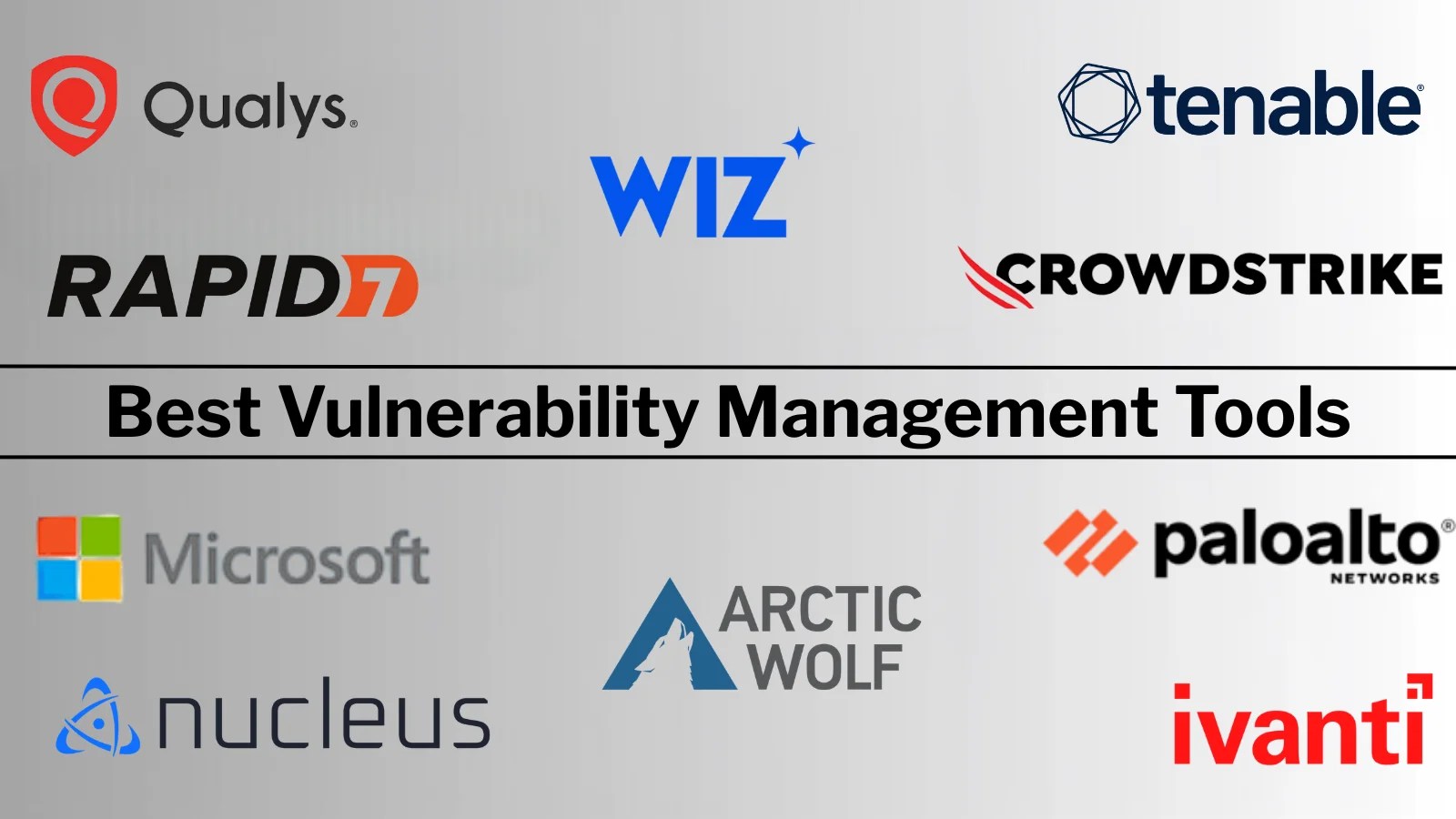
In 2026, the landscape of vulnerability management tools has evolved significantly, focusing on bridging the gap between detection and remediation. The emphasis is on comprehensive asset coverage, effective prioritization, and streamlined workflows. This year’s top tools include Tenable, Qualys, and Rapid7, each offering unique advantages in the cybersecurity domain.
Tenable: Leading the Pack
Tenable stands out as the foremost tool due to its extensive coverage and prioritization capabilities. With a strong foundation in detection, Tenable excels in leveraging vulnerability prioritization (VPR) that aligns threat intelligence with exploit potential. It spans across IT, cloud, and operational technology (OT) environments, making it a preferred choice for organizations seeking a robust security posture.
The tool’s strengths include its detection lineage and comprehensive exposure management, though its pricing model requires careful consideration. Tenable remains a benchmark for program breadth in the industry.
Qualys and Rapid7: Strong Competitors
Qualys is renowned for its platform consolidation, integrating detection, prioritization, and patch management into a single agent platform. This consolidation is particularly beneficial for organizations looking to streamline their security operations, though user interface updates are needed to keep pace with modern expectations.
Rapid7, on the other hand, appeals to mid-market enterprises with its practical approach to vulnerability management. It offers an accessible pricing model and a dashboard that facilitates active risk scoring and remediation project workflows. Despite its advantages, larger estates may need additional support.
Emerging Trends in Vulnerability Management
Newer entrants like Wiz and Microsoft Defender VM bring innovative approaches to the table. Wiz redefines cloud vulnerability management with agentless scanning and context-rich analysis, ideal for cloud-centric environments. Meanwhile, Microsoft Defender VM leverages existing infrastructure for seamless integration, offering a cost-effective solution for Microsoft-dependent organizations.
Other notable mentions include CrowdStrike’s Spotlight, which provides agent-native assessments, and Palo Alto Networks, which integrates vulnerability management into its broader platform exposure management strategy.
Conclusion: Navigating the Future of Cybersecurity
As cyber threats continue to evolve, choosing the right vulnerability management tool becomes critical. Organizations must focus on tools that offer the best coverage and prioritization models tailored to their specific needs. The future of cybersecurity hinges not only on detection but on the speed and efficiency of remediation. By investing in the right tools, businesses can enhance their security posture and better protect their digital assets.