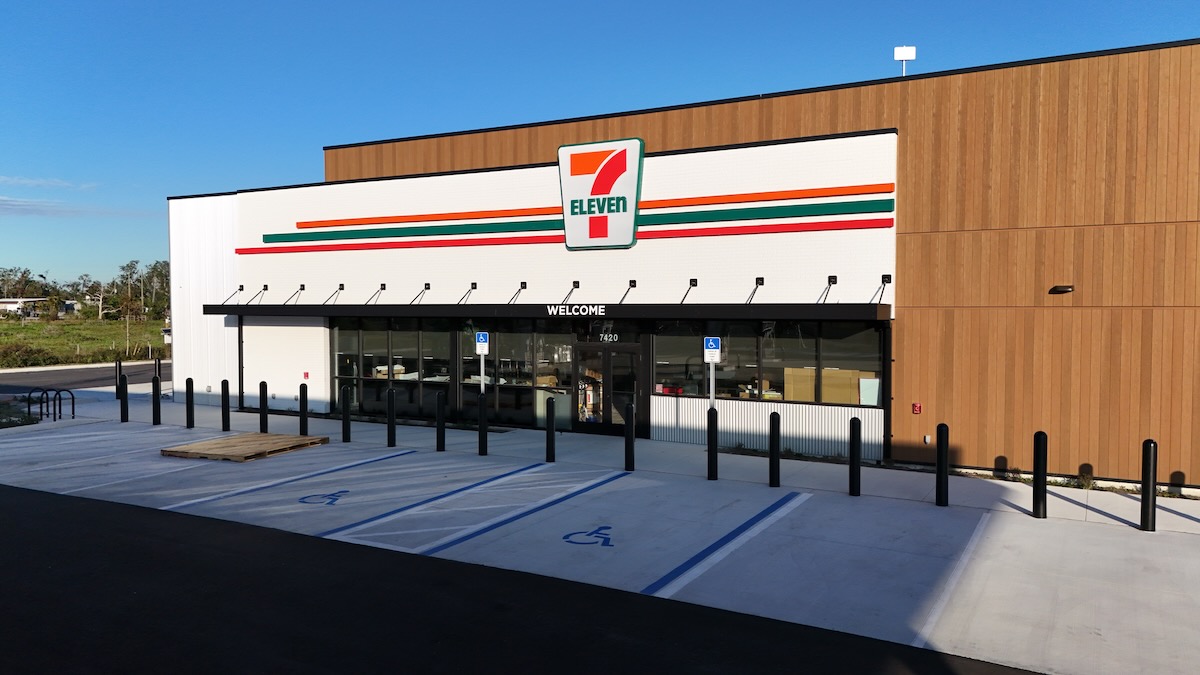
7-Eleven, a leading name in the convenience store industry, has officially acknowledged a data breach at the hands of the infamous ShinyHunters hacking group. This breach raises significant security concerns as claims of stolen information from the company’s systems come to light.
Details of the Breach
The breach was detected on April 8, when 7-Eleven began issuing security incident notifications. The attack targeted systems used to store documents related to franchisees. A notification to the Maine Attorney General’s Office indicated that personal information was compromised, though specifics remain undisclosed.
While the company has not specified the total number of affected individuals, it noted that only two residents of Maine were impacted, suggesting that the breach may have limited scope in terms of personal data exposure.
Threats and Ransom Demands
On April 17, ShinyHunters listed 7-Eleven on its leak site, alleging the theft of over 600,000 Salesforce records, which include both personal and corporate data. The cybercriminals set a ransom deadline of April 21, threatening to leak the data if their demands were unmet. Subsequently, they offered the data for sale at $250,000 on a well-known hacker forum.
ShinyHunters has a history of targeting Salesforce instances of large organizations, employing tactics such as phishing, exploiting third-party integrations, and exploiting misconfigurations, rather than exploiting vulnerabilities in Salesforce itself.
Broader Impact and Previous Targets
The hacker group has also been linked to recent attacks on several major companies, including Instructure, Vimeo, Wynn Resorts, Vercel, and Medtronic. These incidents highlight the ongoing threat landscape and the persistent challenge organizations face in securing their data.
As the investigation into this breach continues, it underscores the importance for businesses to enhance their cybersecurity measures to prevent such intrusions.
Related incidents further emphasize the widespread impact of data breaches. The recent breach at Grafana, the attack on Foxconn’s North American factories, and the OpenLoop Health data breach affecting 716,000 individuals, all serve as stark reminders of the critical need for robust security protocols.
Organizations must remain vigilant and proactive in safeguarding their data against increasingly sophisticated cyber threats.