Security experts have identified active exploitation of a severe vulnerability in Perforce Puppet, enabling attackers to execute unauthorized code on compromised servers. The vulnerability, identified as CVE-2026-115731, carries a critical CVSS score of 9.4, highlighting the significant risk it poses to affected systems.
Understanding the Perforce Puppet Vulnerability
Puppet, a widely used infrastructure-as-code (IaC) and configuration management tool, operates through a client-server model to manage devices effectively. The vulnerability stems from a deserialization flaw in the report processing component of Puppet Enterprise and Puppet Core, allowing remote code execution (RCE). This flaw enables clients with certificates signed by the Puppet certificate authority (CA) to inject malicious code via reports, which could execute on servers with user-level permissions.
Impact and Mitigation Strategies
Exploiting this vulnerability could lead to unauthorized access to the server’s certificate-signing key, granting attackers the ability to issue trusted certificates and modify software configurations during subsequent Puppet runs. Perforce advises against auto-signing certificates without rigorous validation, recommending administrators disable this feature to restrict certificate issuance to authenticated users and trusted systems only.
On November 3, Perforce released patches addressing this flaw, along with another critical issue, CVE-2026-115732, which permitted unauthorized system impersonation through certificate name manipulation. These patches are available for Puppet Enterprise and Puppet Core versions 2026.0.1, 2025.12.1, 2023.8.13, 9.1.3, and 8.22.2.
Broader Implications and Response
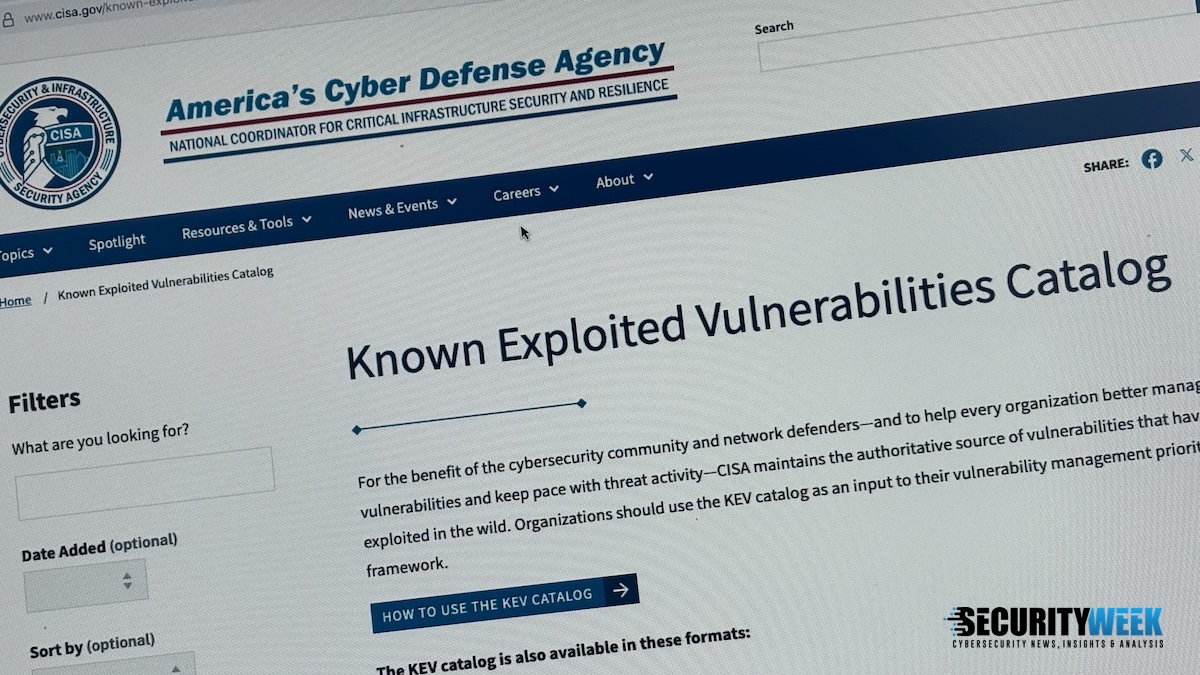
The United States Cybersecurity and Infrastructure Security Agency (CISA) highlighted the urgency of addressing CVE-2026-115731 by adding it to its Known Exploited Vulnerabilities catalog on November 17. Federal agencies have been urged to apply the necessary patches within a two-week timeframe in accordance with Binding Operational Directive 26-04.
Furthermore, the vulnerability impacts the OpenVox configuration management platform, with a proof-of-concept (PoC) exploit becoming publicly available shortly after the patch release. Organizations utilizing these platforms must prioritize the implementation of the provided security updates to mitigate potential risks.
As the landscape of cybersecurity threats continues to evolve, staying informed and proactive in applying security patches remains crucial for safeguarding digital infrastructures.