An emerging threat in the cybersecurity landscape involves a sophisticated campaign utilizing fake reviews and AI narrators to distribute crypto malware. According to Check Point Research, this operation, conducted by an unidentified actor, leverages promoted posts on reputable news sites to enhance the visibility of their malicious software.
Coordinated Efforts Across Multiple Platforms
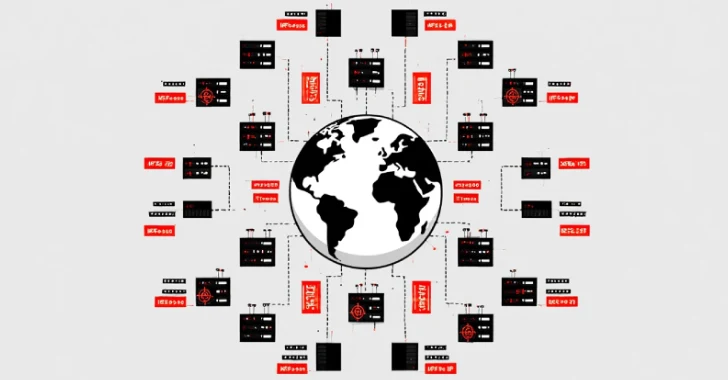
The threat actor employs a WordPress phishing page as their central hub, complemented by GitHub and SourceForge projects managed through fake accounts. Additionally, a YouTube channel and coordinated activities on VirusTotal are used to misclassify harmful files as safe, misleading potential victims.
“To promote a harmful ‘tool,’ the actor mimics strategies used by legitimate brands, such as inflated download numbers and five-star reviews,” explained Check Point in their report. This creates a deceptive reputation economy across platforms that users typically trust before downloading software.
Targeting Cryptocurrency Holders and Gamblers
The campaign’s primary aim is to distribute a cryptocurrency clipboard hijacker hidden within Solana and Pump.fun sniper bots and crash-game predictors. This malware targets cryptocurrency asset holders and online gamblers looking for quick gains.
Built with Rust, the clipper affects both Windows and macOS, monitoring clipboards for cryptocurrency wallet addresses. Upon detecting a pattern, it replaces the address with one controlled by the attacker, redirecting the digital assets to their account.
Manipulating Trust and Reputation Systems
The campaign notably uses Ghost Networks to manipulate reputation-driven systems like VirusTotal, reducing suspicion through upvotes and positive comments. This tactic extends to GitHub, where the threat actor manages multiple accounts to distribute the malware, contributing to a false sense of security among users.
On SourceForge, the download count reached over 44,000, with an unusual number of downloads appearing to come from Android devices, despite only Windows and macOS versions being available. This anomaly suggests the use of an Android farm to artificially boost numbers.
The campaign’s promotional efforts also include a YouTube channel with over 91,000 subscribers, featuring AI-generated narrators and positive comments to enhance perceived credibility.
Innovative Attack Strategies
A unique aspect of this operation is the use of press release distribution services like EIN Presswire to market the tool’s supposed features. These releases were disseminated across partner networks, including the USA TODAY Network, further spreading the malware’s reach.
Check Point emphasizes that this manipulation of sentiment and reputation represents a significant evolution in attack strategies, potentially enabling the distribution of even more dangerous threats like information stealers or ransomware over time.