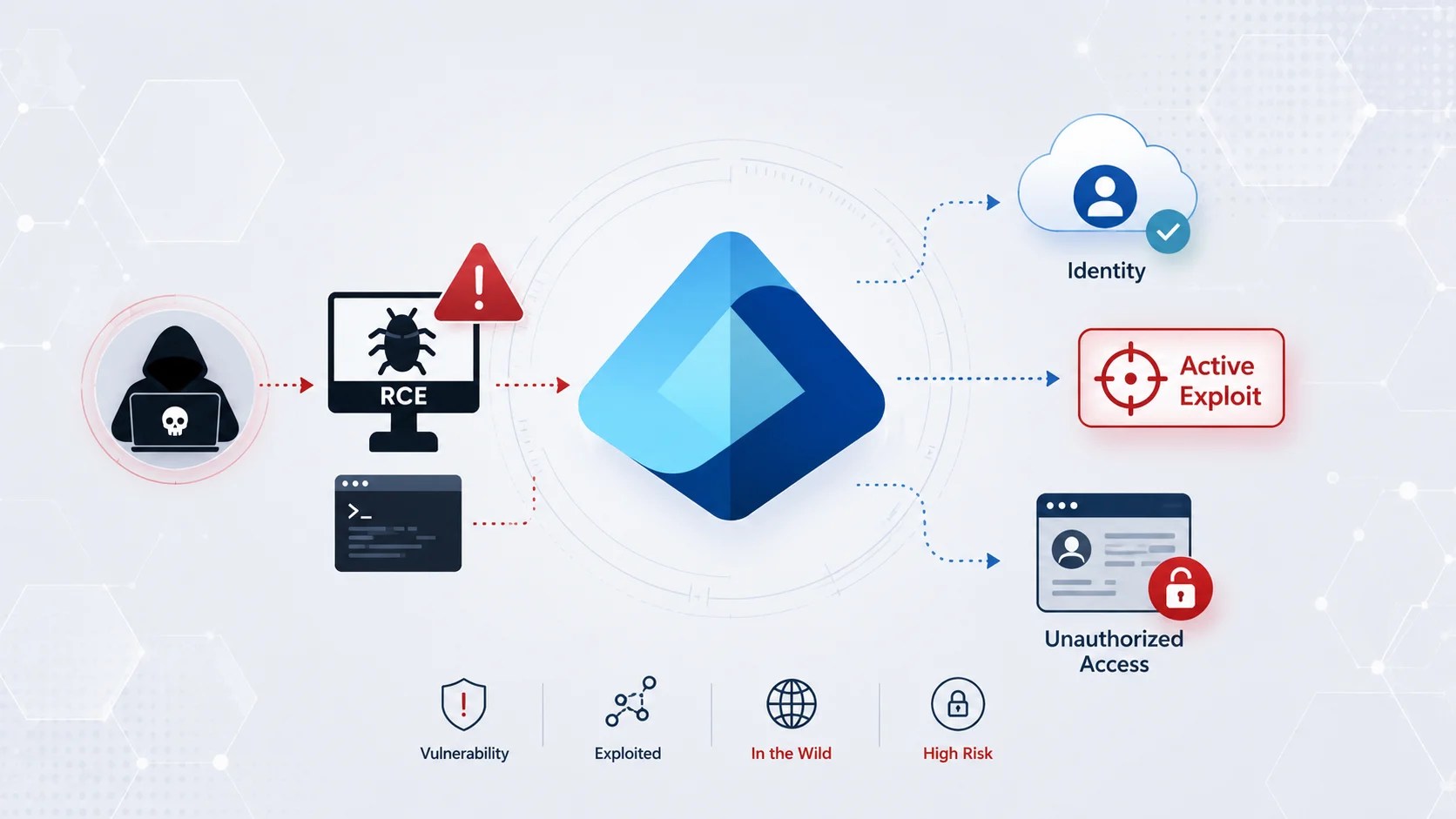
Microsoft has alerted organizations to a critical security vulnerability in its Entra ID platform. This flaw has already been actively exploited by malicious actors, emphasizing the need for immediate awareness and action among users. Entra ID, a key component for identity and access management in cloud environments, faces a severe threat through this exploit.
Understanding the CVE-2026-69836 Vulnerability
The security flaw, identified as CVE-2026-69836, was made public on August 20, 2026. This vulnerability is considered critical due to its potential to significantly undermine security systems. It affects Microsoft 365, Azure, and other applications relying on Entra ID for user authentication.
The root cause of the issue lies in improper data handling, specifically the deserialization of untrusted data. This technical weakness allows attackers to send malicious data packets to Entra ID endpoints, resulting in unauthorized code execution without any need for authentication.
Implications for Cloud Security
The exploitation of this vulnerability poses a substantial risk due to the widespread use of Entra ID for access control. Attackers who successfully exploit this flaw can gain unauthorized access to cloud resources, potentially manipulating authentication tokens and access policies across organizational infrastructures.
Microsoft’s Security Response Center has confirmed that this vulnerability has been exploited in real-world scenarios. This discovery was not the result of independent research but was identified through Microsoft’s internal monitoring systems highlighting the seriousness of the threat.
Microsoft’s Response and Recommendations
Microsoft has already implemented a server-side fix for this vulnerability, eliminating the need for customers to apply patches or updates. This proactive measure is part of Microsoft’s commitment to transparency and security in cloud services. Despite this, Microsoft emphasizes the importance of reviewing security logs and policies to detect any unusual activity that might have occurred before the fix.
The company credits security researcher Robert Fitzpatrick for his role in the coordinated disclosure of the issue. Organizations are encouraged to enhance their monitoring of identity infrastructure and to be vigilant against similar vulnerabilities that target authentication services.
As cyber threats continue to evolve, maintaining robust security protocols and monitoring systems is crucial. Microsoft’s initiative encourages organizations to stay informed and prepared against potential breaches in their cloud environments.