Skip to content
  • Home
  • Cyber Map
  • About Us – Contact
  • Disclaimer
  • Terms and Rules
  • Privacy Policy
Cyber Web Spider Blog – News

Cyber Web Spider Blog – News

Globe Threat Map provides a real-time, interactive 3D visualization of global cyber threats. Monitor DDoS attacks, malware, and hacking attempts with geo-located arcs on a rotating globe. Stay informed with live logs and archive stats.

  • Home
  • Cyber Map
  • Cyber Security News
  • Security Week News
  • The Hacker News
  • How To?
  • Toggle search form
Hackers Exploit Microsoft 365 for Windows Backdoor

Hackers Exploit Microsoft 365 for Windows Backdoor

Posted on October 1, 2026 By CWS

Cybersecurity experts have uncovered a sophisticated scheme by hackers to infiltrate Windows systems using Microsoft’s popular 365 suite as a command and control (C2) center. This alarming discovery highlights the evolving tactics cybercriminals employ to leverage trusted platforms for illicit activities.

Exploiting Microsoft 365

The hackers have ingeniously embedded their C2 infrastructure within Microsoft 365, exploiting its widespread use and inherent trust among users. By doing so, they manage to conceal their operations while maintaining persistent access to targeted systems. The attack leverages phishing campaigns and malicious downloads to initiate the breach.

Once inside, the threat actors utilize various stagers and downloaders to deploy their payloads effectively. These components work in tandem to establish a foothold in the victim’s network, allowing the attackers to execute commands and exfiltrate data at will.

Technical Breakdown of the Attack

The attack chain involves several stages, beginning with the distribution of HTA and WSF files disguised as legitimate documents. These files, when executed, connect back to the C2 server hosted on Microsoft 365, downloading additional payloads. Notably, the use of encrypted JScript orchestrators adds a layer of complexity, making detection and mitigation challenging for security teams.

Furthermore, the attackers employ legitimate Microsoft components such as mshta.exe and diagnostic tools to execute their code, further obfuscating their activities. This tactic not only helps avoid detection but also allows the malicious operations to appear as routine system processes.

Security Implications and Future Outlook

This exploitation of Microsoft 365 underscores the critical need for enhanced vigilance and robust security measures. Organizations must prioritize threat intelligence and adopt comprehensive security strategies to defend against such advanced attacks. As cyber threats continue to evolve, staying informed and proactive remains paramount.

Looking ahead, cybersecurity professionals anticipate that similar tactics will be employed more frequently, as attackers seek to maximize their reach and impact by exploiting well-established platforms. Collaboration between technology providers and security experts is essential to counter these threats effectively.

Cyber Security News Tags:C2 infrastructure, C2 servers, cyber attack, Cybersecurity, data breach, digital threats, Hackers, IT security, malicious software, Malware, Microsoft 365, network security, online security, Phishing, Windows backdoor

Post navigation

Previous Post: Police Dismantle KillSec Ransomware, Identify Teen Leader
Next Post: AI-Powered Threats and Cybersecurity Challenges

Related Posts

OneLogin AD Connector Vulnerabilities Exposes Authentication Credentials OneLogin AD Connector Vulnerabilities Exposes Authentication Credentials Cyber Security News
Windows Common Log File System Driver Vulnerability Let Attackers Escalate Privileges Windows Common Log File System Driver Vulnerability Let Attackers Escalate Privileges Cyber Security News
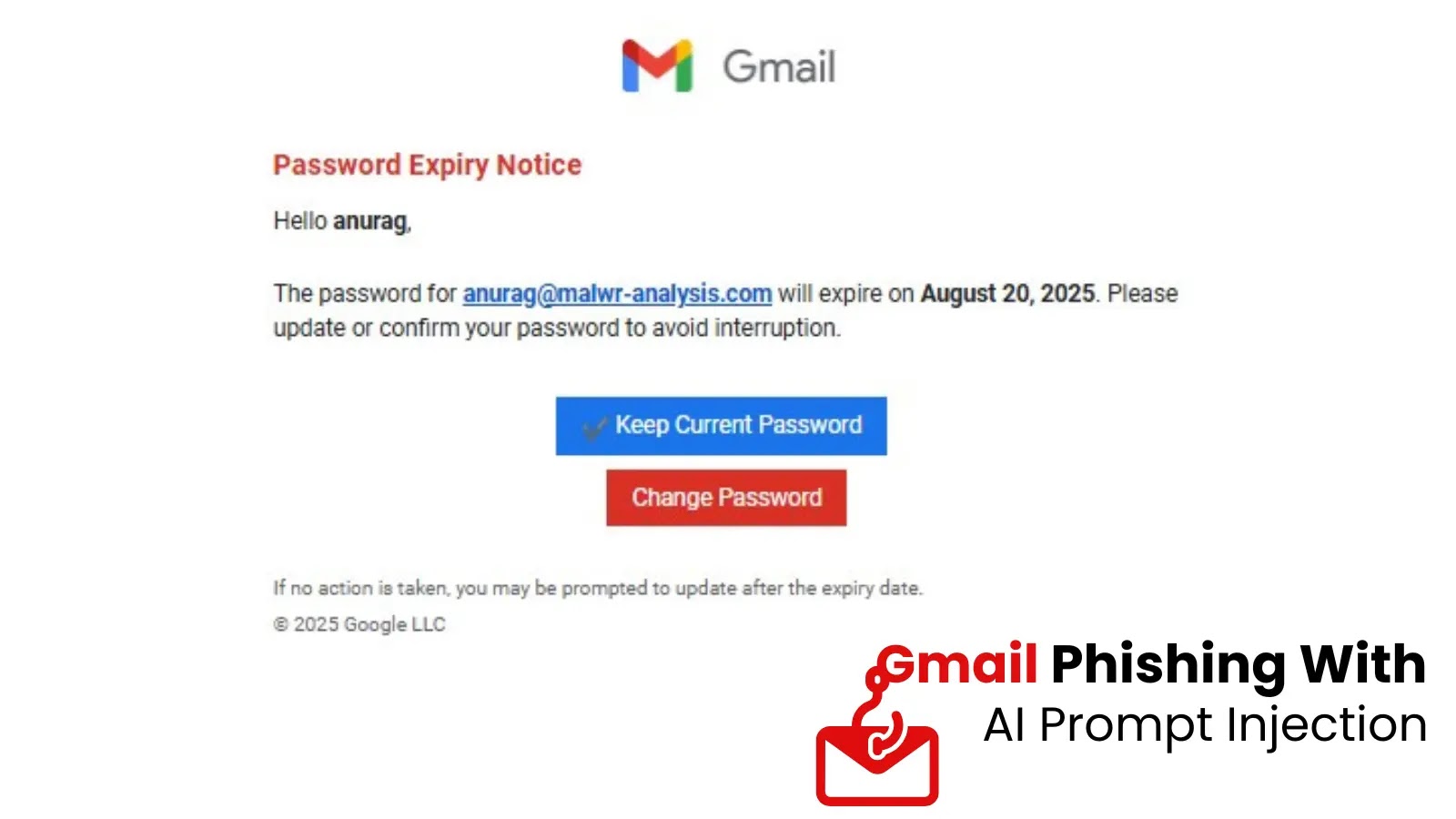
New Gmail Phishing Attack Uses AI Prompt Injection to Evade Detection New Gmail Phishing Attack Uses AI Prompt Injection to Evade Detection Cyber Security News
Linux Kernel’s KSMBD Subsystem Vulnerability Let Remote Attackers Exhaust Server Resources Linux Kernel’s KSMBD Subsystem Vulnerability Let Remote Attackers Exhaust Server Resources Cyber Security News
Django Critical Vulnerability Let attackers Execute Malicious SQL Code on Web Servers Django Critical Vulnerability Let attackers Execute Malicious SQL Code on Web Servers Cyber Security News
Cybercriminals Use Blockchain to Bypass Security Measures Cybercriminals Use Blockchain to Bypass Security Measures Cyber Security News

Categories

  • Cyber Security News
  • How To?
  • Security Week News
  • The Hacker News

Recent Posts

  • Teen Arrested in Global Crackdown on KillSec Ransomware
  • Zero Trust Model’s Relevance in the Age of AI
  • AI-Powered Threats and Cybersecurity Challenges
  • Hackers Exploit Microsoft 365 for Windows Backdoor
  • Police Dismantle KillSec Ransomware, Identify Teen Leader

Pages

  • About Us – Contact
  • Disclaimer
  • Privacy Policy
  • Terms and Rules

Archives

  • October 2026
  • September 2026
  • August 2026
  • July 2026
  • June 2026
  • May 2026
  • April 2026
  • March 2026
  • February 2026
  • January 2026
  • December 2025
  • November 2025
  • October 2025
  • September 2025
  • August 2025
  • July 2025
  • June 2025
  • May 2025

Recent Posts

  • Teen Arrested in Global Crackdown on KillSec Ransomware
  • Zero Trust Model’s Relevance in the Age of AI
  • AI-Powered Threats and Cybersecurity Challenges
  • Hackers Exploit Microsoft 365 for Windows Backdoor
  • Police Dismantle KillSec Ransomware, Identify Teen Leader

Pages

  • About Us – Contact
  • Disclaimer
  • Privacy Policy
  • Terms and Rules

Categories

  • Cyber Security News
  • How To?
  • Security Week News
  • The Hacker News

Copyright © 2026 Cyber Web Spider Blog – News.

Powered by PressBook Masonry Dark