Skip to content
  • Home
  • Cyber Map
  • About Us – Contact
  • Disclaimer
  • Terms and Rules
  • Privacy Policy
Cyber Web Spider Blog – News

Cyber Web Spider Blog – News

Globe Threat Map provides a real-time, interactive 3D visualization of global cyber threats. Monitor DDoS attacks, malware, and hacking attempts with geo-located arcs on a rotating globe. Stay informed with live logs and archive stats.

  • Home
  • Cyber Map
  • Cyber Security News
  • Security Week News
  • The Hacker News
  • How To?
  • Toggle search form
Microsoft 365 Outage Linked to Hidden Windows Bug

Microsoft 365 Outage Linked to Hidden Windows Bug

Posted on November 16, 2026 By CWS

On November 12-13, 2026, Microsoft 365 services experienced a significant outage that was traced back to a hidden bug in Windows. This issue overwhelmed the servers responsible for managing cloud connections, leading to widespread service disruptions.

Initial Findings on the Outage

According to a preliminary incident report released on November 15, the problem originated from a software modification that inadvertently redirected traffic and diminished server capacity. This resulted in extensive service failures, with Exchange Online being the most affected. The outage persisted for nearly 24 hours, restricting many users from accessing their Exchange Online mailboxes and causing email delays.

The incident extended its impact to other Microsoft cloud services, as initially reported by Cybersecuritynews.com. This disruption highlighted the critical role of robust server management in cloud services.

Understanding the Hidden Windows Bug

The bug was linked to a fix intended specifically for Microsoft 365 networking gateway servers. Although this change was deployed globally in July and appeared stable for months, it did not concern general Windows deployments. The issue arose from competing tasks within an internal Windows process, known as lock contention, which exhausted processor and memory resources under specific traffic conditions.

Two main factors exposed the bug. First, a shift in Teams traffic to a primary gateway shared with Exchange Online occurred just hours before the outage. Second, an unrelated issue had already reduced server capacity by nearly 14%. Despite sufficient remaining capacity, these combined conditions triggered the bug.

Recovery Efforts and Future Outlook

Microsoft’s automated recovery systems inadvertently exacerbated the situation by transferring connections to functional endpoints, thereby spreading the fault across regions rapidly. At its peak, over 80% of servers were non-responsive. Efforts to contain the issue failed due to a secondary fault in boundary controls, leading to a global outage.

To address the problem, engineers developed an update that restored Windows connection handling to a stable state. They systematically removed large server groups from service, applied the update, and gradually reintroduced traffic. Additional capacity was added to prevent email delivery failures.

While the report is still preliminary, further details are expected on November 20. Microsoft reassured administrators that no tenant or device configuration changes were necessary, as the failure resided within Microsoft’s cloud infrastructure.

This incident underscores the importance of proactive monitoring and robust testing in cloud service management, emphasizing the need for comprehensive strategies to prevent similar occurrences in the future.


Cyber Security News Tags:cloud computing, cloud services, Exchange Online, incident report, IT infrastructure, lock contention, Microsoft, Networking, Outage, server capacity, software update, tech news, Windows bug

Post navigation

Previous Post: Hackers Exploit Vulnerabilities in Copeland Refrigeration Systems
Next Post: UnrealIRCd Vulnerability Under Exploitation by Hackers

Related Posts

Critical PAN-OS Flaw Exposes Devices to Code Execution Critical PAN-OS Flaw Exposes Devices to Code Execution Cyber Security News
Multiple GitLab Vulnerabilities Let Attackers Inject Malicious Prompts to Steal Sensitive Data Multiple GitLab Vulnerabilities Let Attackers Inject Malicious Prompts to Steal Sensitive Data Cyber Security News
AI-Enhanced NGate Malware Targets NFC Payment Apps AI-Enhanced NGate Malware Targets NFC Payment Apps Cyber Security News
Critical Cisco Vulnerability Exposes SD-WAN to Attacks Critical Cisco Vulnerability Exposes SD-WAN to Attacks Cyber Security News
Affordable SweepLED Device Detects Hidden Cameras in Hotels Affordable SweepLED Device Detects Hidden Cameras in Hotels Cyber Security News
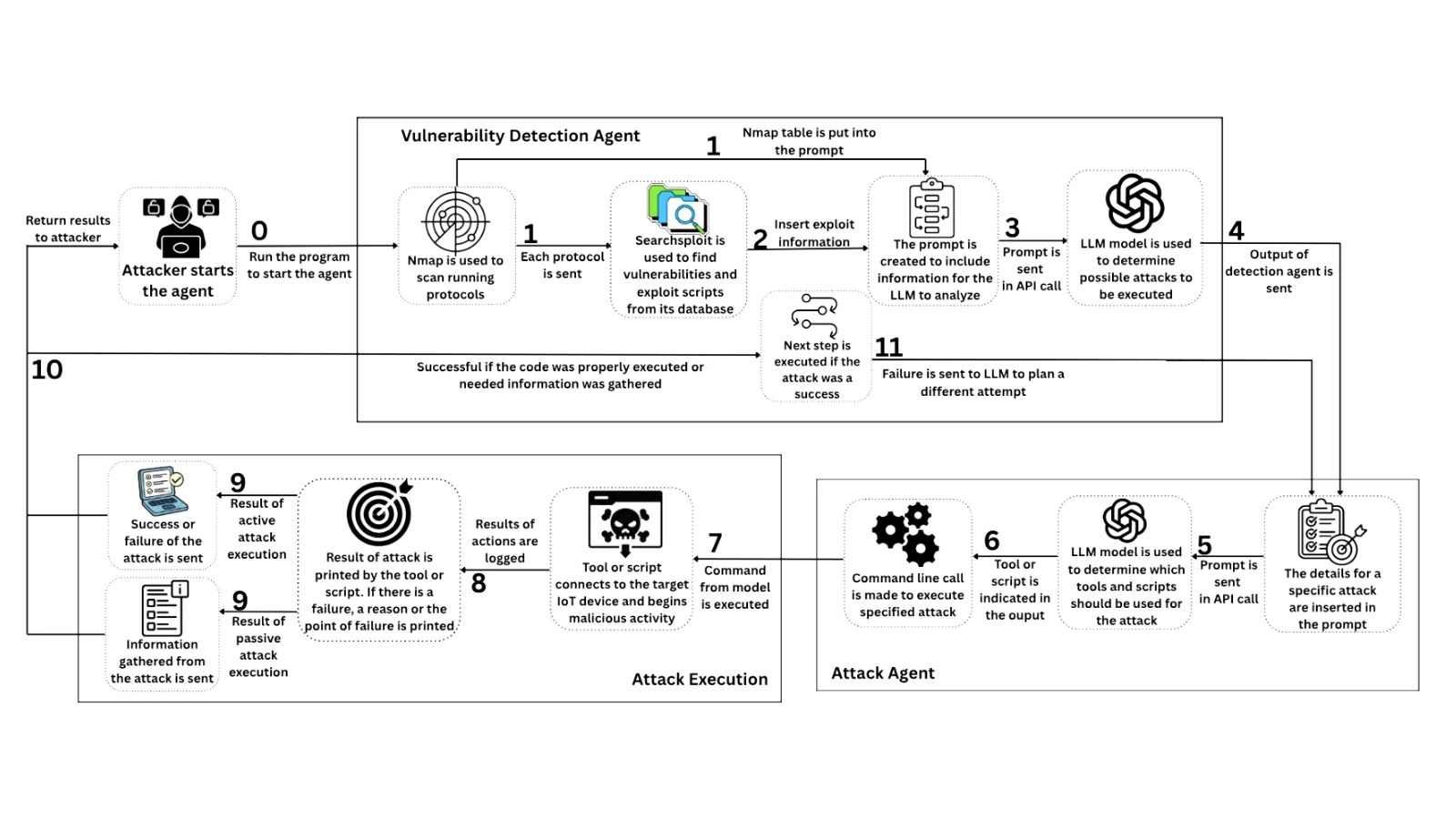
VEXAIoT Revolutionizes IoT Security Testing with AI VEXAIoT Revolutionizes IoT Security Testing with AI Cyber Security News

Categories

  • Cyber Security News
  • How To?
  • Security Week News
  • The Hacker News

Recent Posts

  • AI-Driven Marketplace Threatens Corporate Security
  • Top Patch Management Solutions for 2026
  • VS Code Extension Security Flaw Exposes Files Outside Workspaces
  • Weekly Cybersecurity Recap: Major 0-Day Vulnerabilities Exposed
  • AI-Powered Cyberattacks Surge, Google Warns

Pages

  • About Us – Contact
  • Disclaimer
  • Privacy Policy
  • Terms and Rules

Archives

  • November 2026
  • October 2026
  • September 2026
  • August 2026
  • July 2026
  • June 2026
  • May 2026
  • April 2026
  • March 2026
  • February 2026
  • January 2026
  • December 2025
  • November 2025
  • October 2025
  • September 2025
  • August 2025
  • July 2025
  • June 2025
  • May 2025

Recent Posts

  • AI-Driven Marketplace Threatens Corporate Security
  • Top Patch Management Solutions for 2026
  • VS Code Extension Security Flaw Exposes Files Outside Workspaces
  • Weekly Cybersecurity Recap: Major 0-Day Vulnerabilities Exposed
  • AI-Powered Cyberattacks Surge, Google Warns

Pages

  • About Us – Contact
  • Disclaimer
  • Privacy Policy
  • Terms and Rules

Categories

  • Cyber Security News
  • How To?
  • Security Week News
  • The Hacker News

Copyright © 2026 Cyber Web Spider Blog – News.

Powered by PressBook Masonry Dark