Skip to content
  • Home
  • Cyber Map
  • About Us – Contact
  • Disclaimer
  • Terms and Rules
  • Privacy Policy
Cyber Web Spider Blog – News

Cyber Web Spider Blog – News

Globe Threat Map provides a real-time, interactive 3D visualization of global cyber threats. Monitor DDoS attacks, malware, and hacking attempts with geo-located arcs on a rotating globe. Stay informed with live logs and archive stats.

  • Home
  • Cyber Map
  • Cyber Security News
  • Security Week News
  • The Hacker News
  • How To?
  • Toggle search form
Google Chrome Update Addresses Critical Security Vulnerability

Google Chrome Update Addresses Critical Security Vulnerability

Posted on November 24, 2026 By CWS

Google has released an essential security update for its Chrome browser, designed to address a significant vulnerability known as CVE-2026-134401. This flaw, identified on November 23, 2026, poses a risk by potentially allowing remote attackers to execute malicious code outside the protective browser sandbox.

Wide-Ranging Update for Multiple Platforms

The latest update is being rolled out across Windows, macOS, and Linux systems. Despite being part of the Stable release, this update focuses solely on one critical security fix. Google has stated that the distribution of this update will be staggered over the coming days and weeks to ensure comprehensive coverage.

This update follows the initial release of Chrome 158, which addressed 204 separate security issues. Users who have already installed the previous version must still apply this new update to remain secure. According to the National Vulnerability Database, versions of Chrome prior to 158.0.8127.88 are vulnerable.

Understanding the Flaw

The root cause of this critical flaw lies in the Variations component of Chrome. This component is responsible for testing new features with select user groups before a broader rollout. Inadequate input validation within this component is what allowed the vulnerability to occur, a problem that Google internally identified as critical back in August 2026.

The concept of a sandbox is crucial in limiting the access of code that handles web content, preventing it from affecting other parts of the device. The National Vulnerability Database indicates that specially crafted HTML pages could exploit this flaw, allowing code to run outside the established boundaries.

Impact and Mitigation Measures

While Google’s release notes have not confirmed any active exploitation of this flaw, the potential severity cannot be understated. Although running code outside the sandbox is a significant concern, it doesn’t automatically imply that an attacker could gain full system control.

To ensure protection, users should update to Chrome version 158.0.8127.88 or 158.0.8127.89 on Windows and macOS, and 158.0.8127.88 on Linux. This can be verified by navigating to the Chrome menu, selecting Help, and clicking on About Google Chrome. Once updated, relaunch the browser and recheck the version number to confirm the update.

For IT managers, it is important to note that a downloaded update does not secure an ongoing session until the browser restarts. Therefore, verifying the running version is crucial to ensure complete protection against this vulnerability.


Cyber Security News Tags:browser security, CVE-2026-134401, Cybersecurity, Google Chrome, IT security, remote code execution, Sandbox, security update, software update, Vulnerability

Post navigation

Previous Post: Open Source Security Tool Shirudo Launched by OpenAI, Cisco

Related Posts

Leeds United And Reflectiz Partner To Share Insights On Proactive Web Security After Cyber Attack Leeds United And Reflectiz Partner To Share Insights On Proactive Web Security After Cyber Attack Cyber Security News
VS Code Extension Security Flaw Exposes Files Outside Workspaces VS Code Extension Security Flaw Exposes Files Outside Workspaces Cyber Security News
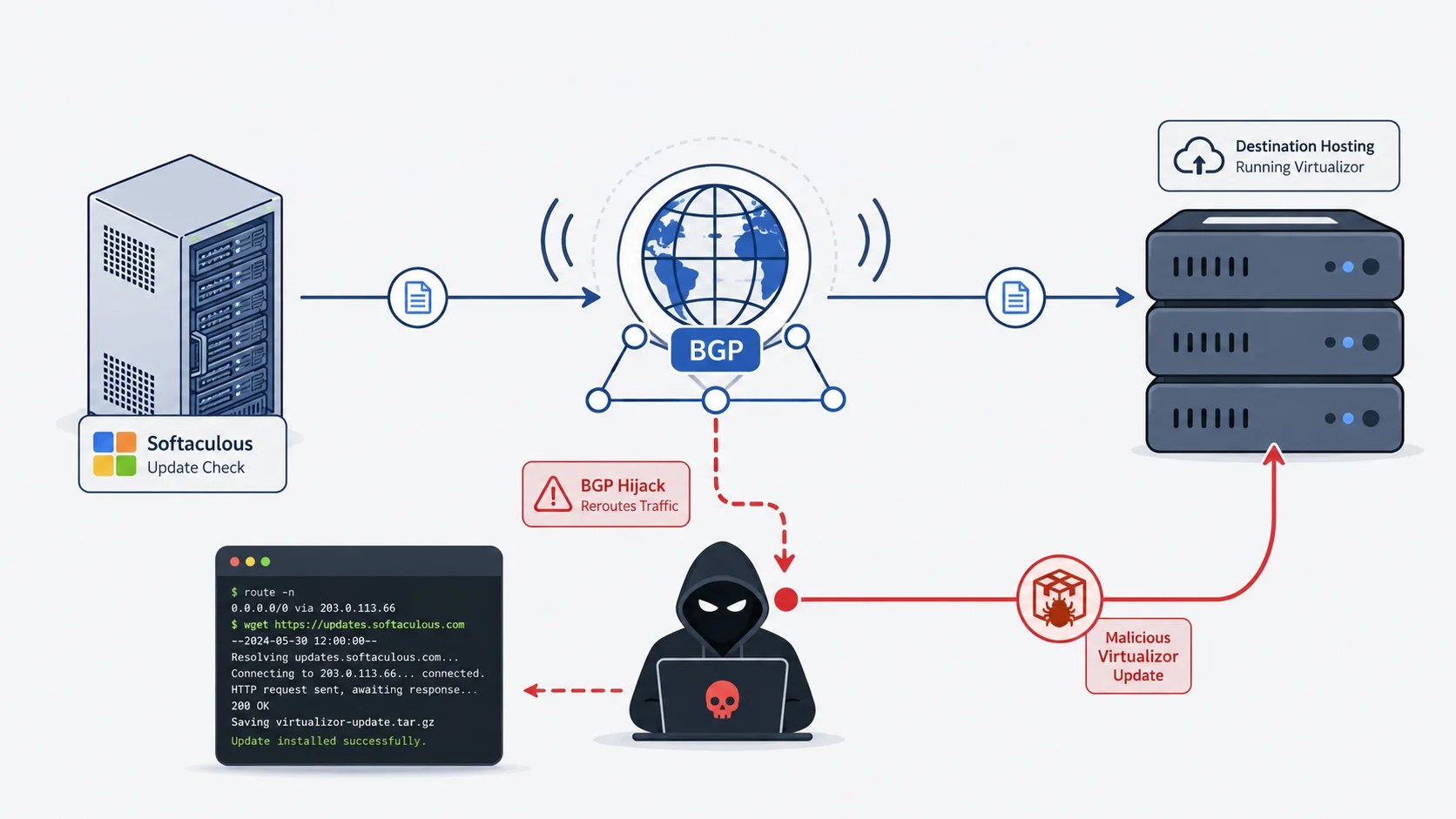
BGP Hijack Targets Softaculous, Delivers Malicious Update BGP Hijack Targets Softaculous, Delivers Malicious Update Cyber Security News
SonicWall Releases Firmware Update to Remove Rootkit Malware ‘OVERSTEP’ from SMA Devices SonicWall Releases Firmware Update to Remove Rootkit Malware ‘OVERSTEP’ from SMA Devices Cyber Security News
CISA Warns of Dassault Systèmes Vulnerabilities Actively Exploited in Attacks CISA Warns of Dassault Systèmes Vulnerabilities Actively Exploited in Attacks Cyber Security News
Dual Malware Campaign Deploys Gh0st RAT and Adware Dual Malware Campaign Deploys Gh0st RAT and Adware Cyber Security News

Categories

  • Cyber Security News
  • How To?
  • Security Week News
  • The Hacker News

Recent Posts

  • Google Chrome Update Addresses Critical Security Vulnerability
  • Open Source Security Tool Shirudo Launched by OpenAI, Cisco
  • Hackers Exploit MFA Weaknesses via Phone Scams
  • Bluetooth Brake Controller Flaws Risk Trailer Safety
  • Microsoft Patches Azure API Flaw, Protects Customer Secrets

Pages

  • About Us – Contact
  • Disclaimer
  • Privacy Policy
  • Terms and Rules

Archives

  • November 2026
  • October 2026
  • September 2026
  • August 2026
  • July 2026
  • June 2026
  • May 2026
  • April 2026
  • March 2026
  • February 2026
  • January 2026
  • December 2025
  • November 2025
  • October 2025
  • September 2025
  • August 2025
  • July 2025
  • June 2025
  • May 2025

Recent Posts

  • Google Chrome Update Addresses Critical Security Vulnerability
  • Open Source Security Tool Shirudo Launched by OpenAI, Cisco
  • Hackers Exploit MFA Weaknesses via Phone Scams
  • Bluetooth Brake Controller Flaws Risk Trailer Safety
  • Microsoft Patches Azure API Flaw, Protects Customer Secrets

Pages

  • About Us – Contact
  • Disclaimer
  • Privacy Policy
  • Terms and Rules

Categories

  • Cyber Security News
  • How To?
  • Security Week News
  • The Hacker News

Copyright © 2026 Cyber Web Spider Blog – News.

Powered by PressBook Masonry Dark