Skip to content
  • Home
  • Cyber Map
  • About Us – Contact
  • Disclaimer
  • Terms and Rules
  • Privacy Policy
Cyber Web Spider Blog – News

Cyber Web Spider Blog – News

Globe Threat Map provides a real-time, interactive 3D visualization of global cyber threats. Monitor DDoS attacks, malware, and hacking attempts with geo-located arcs on a rotating globe. Stay informed with live logs and archive stats.

  • Home
  • Cyber Map
  • Cyber Security News
  • Security Week News
  • The Hacker News
  • How To?
  • Toggle search form
AWS Swiftly Quarantines Exposed IAM Keys on GitHub

AWS Swiftly Quarantines Exposed IAM Keys on GitHub

Posted on September 21, 2026 By CWS

Amazon Web Services (AWS) has implemented a rapid response mechanism to quarantine Identity and Access Management (IAM) keys that appear in public GitHub repositories. This automated process is designed to swiftly contain potential security breaches, highlighting AWS’s commitment to cloud security.

Efficient Quarantine Process

During a controlled experiment by Unit 42, AWS demonstrated its capability to attach a quarantine policy to exposed IAM credentials within 10 seconds of being detected on GitHub. This quick action narrows the window for potential misuse of the keys, showcasing the effectiveness of their security measures.

Long-lasting IAM access keys remain a tempting target for unauthorized access due to their ability to enable programmatic control without direct authentication. Incidents of developers inadvertently committing such keys to public files are not uncommon, making AWS’s automated response crucial.

GitHub’s Role in Detection

GitHub’s secret scanning feature plays a pivotal role in detecting exposed credentials. It scans public repositories for known patterns and alerts AWS when AWS secrets are discovered, allowing AWS to take immediate action.

In the case study conducted on December 19, 2025, researchers made an IAM key public, triggering a sequence of alerts and actions. Within seconds, AWS attached the AWSCompromisedKeyQuarantineV3 policy to the user, and several notifications were issued via email and AWS Health Dashboard.

Policy Evolution and Security Implications

The AWSCompromisedKeyQuarantine policy has evolved over time to address emerging cloud threats. Initially launched in 2020, its iterations have expanded to cover more services and potential vulnerabilities.

This policy effectively blocks high-risk operations without impacting legitimate workloads. Although it prevents certain operations, it is not a revocation of the key, prompting administrators to treat each instance seriously and take further action such as key rotation or deactivation.

Security teams are advised to monitor for IAM AttachUserPolicy events related to this policy to ensure swift incident response. Centralizing support cases through AWS Systems Manager Explorer can aid in cohesive incident management.

Conclusion

AWS’s proactive automation in quarantining exposed IAM keys underscores the importance of quick response in cloud security. This system not only mitigates risks but also serves as a model for managing cloud security incidents efficiently. As cloud environments continue to evolve, such measures will remain critical in safeguarding against unauthorized access and potential data breaches.


Cyber Security News Tags:AWS, AWS Health, AWSCompromisedKeyQuarantine, cloud automation, cloud security, CloudTrail, Cybersecurity, GitHub, IAM, incident response, key quarantine, policy management, secret scanning, Unit 42

Post navigation

Previous Post: North Korean Cyber Campaign Targets 30,000 Devices for Crypto Theft

Related Posts

Qilin Ransomware Leads The Attack Landscape With 70+ Claimed Victims in July Qilin Ransomware Leads The Attack Landscape With 70+ Claimed Victims in July Cyber Security News
AWS US-EAST-1 Region Experiences Delays in EC2 Instance Deployments AWS US-EAST-1 Region Experiences Delays in EC2 Instance Deployments Cyber Security News
Red Hat Data Breach – Threat Actors Claim Breach of 28K Private GitHub Repositories Red Hat Data Breach – Threat Actors Claim Breach of 28K Private GitHub Repositories Cyber Security News
Iran-Linked Botnet Unveiled Through Open Directory Leak Iran-Linked Botnet Unveiled Through Open Directory Leak Cyber Security News
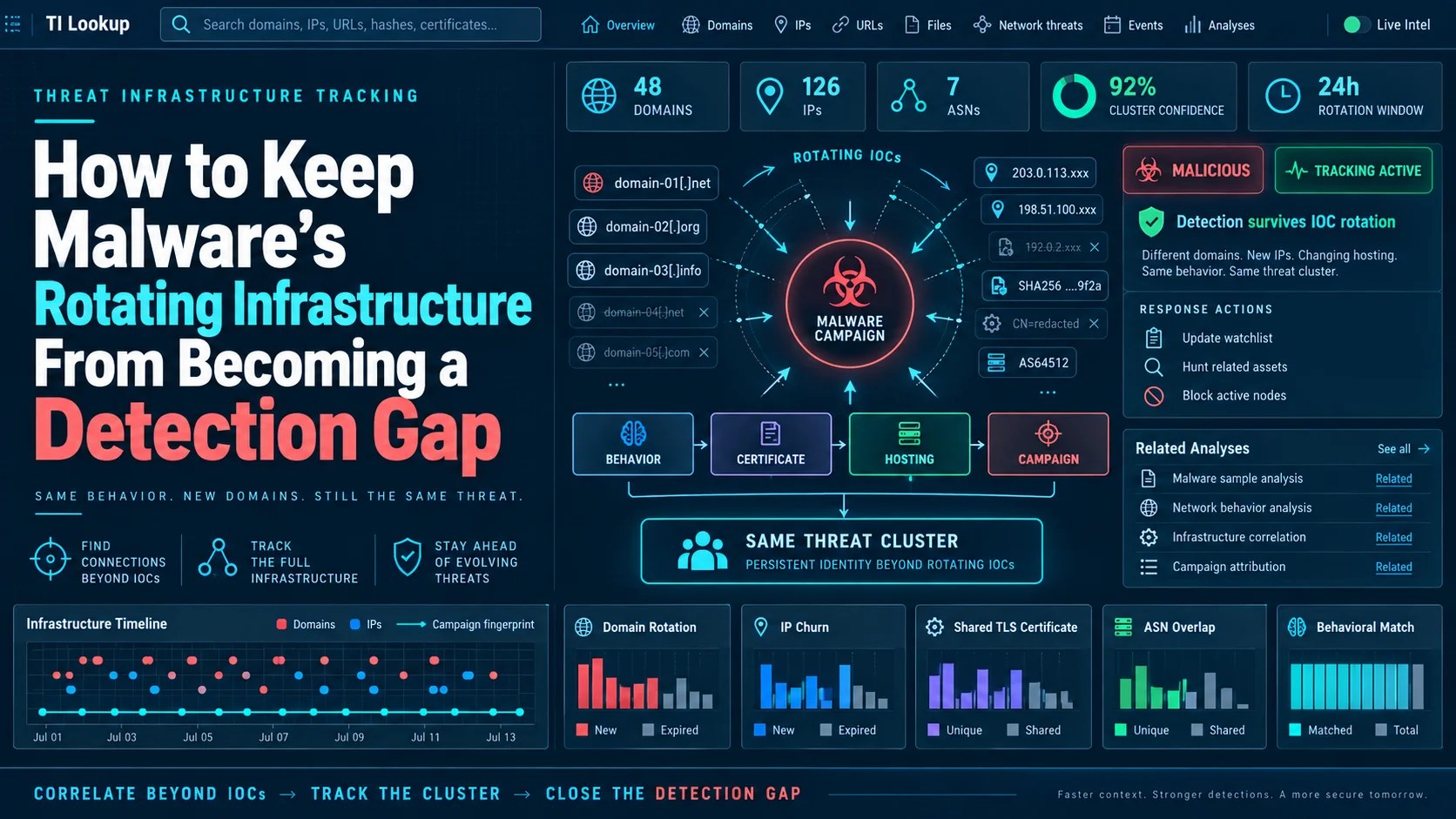
Combatting Evolving Malware Infrastructure in SOCs Combatting Evolving Malware Infrastructure in SOCs Cyber Security News
Vault Viper Exploits Online Gambling Websites Using Custom Browser to Install Malicious Program Vault Viper Exploits Online Gambling Websites Using Custom Browser to Install Malicious Program Cyber Security News

Categories

  • Cyber Security News
  • How To?
  • Security Week News
  • The Hacker News

Recent Posts

  • AWS Swiftly Quarantines Exposed IAM Keys on GitHub
  • North Korean Cyber Campaign Targets 30,000 Devices for Crypto Theft
  • Google Faces €403 Million Fine for GDPR Breach on Location Data
  • Fake LastPass Installer Uses Signed Driver to Bypass Security
  • Ransomware Exploits Active Directory for Disruption

Pages

  • About Us – Contact
  • Disclaimer
  • Privacy Policy
  • Terms and Rules

Archives

  • September 2026
  • August 2026
  • July 2026
  • June 2026
  • May 2026
  • April 2026
  • March 2026
  • February 2026
  • January 2026
  • December 2025
  • November 2025
  • October 2025
  • September 2025
  • August 2025
  • July 2025
  • June 2025
  • May 2025

Recent Posts

  • AWS Swiftly Quarantines Exposed IAM Keys on GitHub
  • North Korean Cyber Campaign Targets 30,000 Devices for Crypto Theft
  • Google Faces €403 Million Fine for GDPR Breach on Location Data
  • Fake LastPass Installer Uses Signed Driver to Bypass Security
  • Ransomware Exploits Active Directory for Disruption

Pages

  • About Us – Contact
  • Disclaimer
  • Privacy Policy
  • Terms and Rules

Categories

  • Cyber Security News
  • How To?
  • Security Week News
  • The Hacker News

Copyright © 2026 Cyber Web Spider Blog – News.

Powered by PressBook Masonry Dark